

Download Link Below 📂🡻 1 Views
- Watch trailer
- Server 1vidcore.io

- SERVER US HD
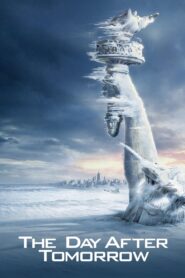
The Day After Tomorrow 2004 Ultimate Thrilling Disaster Movie
Where will you be?May. 26, 2004124 Min.519K
Synopsis
The Day After Tomorrow (2004) – Movie Review, Story, Cast and Disaster Adventure
Introduction
The Day After Tomorrow is a science fiction disaster movie released in 2004. Directed by Roland Emmerich, the film combines extreme weather, global catastrophe, family drama, and human survival into an exciting cinematic experience. Starring Dennis Quaid, Jake Gyllenhaal, and Emmy Rossum, the movie explores what could happen if sudden and severe climate changes pushed the world toward a new ice age.
Known for its large-scale visual effects and dramatic weather sequences, The Day After Tomorrow remains a memorable entry in the disaster movie genre. It presents a fictional scenario in which dangerous storms, freezing temperatures, and widespread flooding threaten millions of people. Alongside its spectacular events, the story focuses on courage, responsibility, scientific warnings, and the importance of family.
The Day After Tomorrow Movie Story
The story follows Jack Hall, a paleoclimatologist who studies Earth’s climate and its historical changes. Through his research, Jack becomes concerned that major changes in the global climate system could trigger a series of catastrophic weather events. He attempts to communicate the seriousness of the situation to government officials, but the scale and urgency of the threat are not immediately understood.
As the weather begins to change dramatically, extreme storms develop across different parts of the world. Severe flooding, powerful winds, and rapidly falling temperatures turn ordinary cities into dangerous places. The unfolding disaster creates confusion as people struggle to understand what is happening and how to protect themselves.
Meanwhile, Jack’s son, Sam Hall, is in New York City with friends. As conditions deteriorate, Sam and others become trapped in a city facing extraordinary cold and flooding. Their situation becomes increasingly difficult, forcing them to make careful decisions while waiting for help.
Jack realizes that his son is in serious danger and begins a difficult journey toward New York. His determination to reach Sam becomes one of the movie’s central emotional elements. The story moves between the worldwide disaster and the personal struggle of a father trying to reunite with his child.
Main Cast and Characters
Dennis Quaid as Jack Hall
Dennis Quaid plays Jack Hall, the scientist whose research helps him recognize the growing climate threat. Jack is intelligent, determined, and deeply committed to his family. His scientific knowledge gives him a unique understanding of the disaster, while his relationship with Sam provides the story with emotional depth.
Jake Gyllenhaal as Sam Hall
Jake Gyllenhaal portrays Sam, Jack’s son. Away from home when the crisis develops, Sam must remain calm and help the people around him survive the worsening conditions. His character experiences considerable personal growth as he faces uncertainty and learns the value of responsibility.
Emmy Rossum as Laura Chapman
Emmy Rossum plays Laura Chapman, one of Sam’s friends. Laura becomes part of the group attempting to find safety in New York. Her role adds another human dimension to the survival storyline as the characters depend on one another during the emergency.
Supporting Cast
The movie also features Sela Ward as Dr. Lucy Hall, Ian Holm as Professor Terry Rapson, and other performers who portray scientists, government representatives, and ordinary people affected by the disaster. Their stories help show how the crisis affects different parts of society.
Direction and Cinematic Presentation
Roland Emmerich is known for directing large-scale disaster films, and this production reflects his interest in dramatic situations that affect entire cities and populations. The film combines scientific ideas with a fictional survival story, building tension as the weather becomes more extreme.
The direction alternates between large environmental events and smaller moments involving individual characters. This contrast helps viewers understand both the scale of the catastrophe and the personal consequences for those caught in it.
The movie’s pacing is designed to keep the situation moving forward. As one emergency develops into another, the characters have less time to make decisions, and the audience sees how quickly normal life can change during a major crisis.
Visual Effects and Weather Scenes
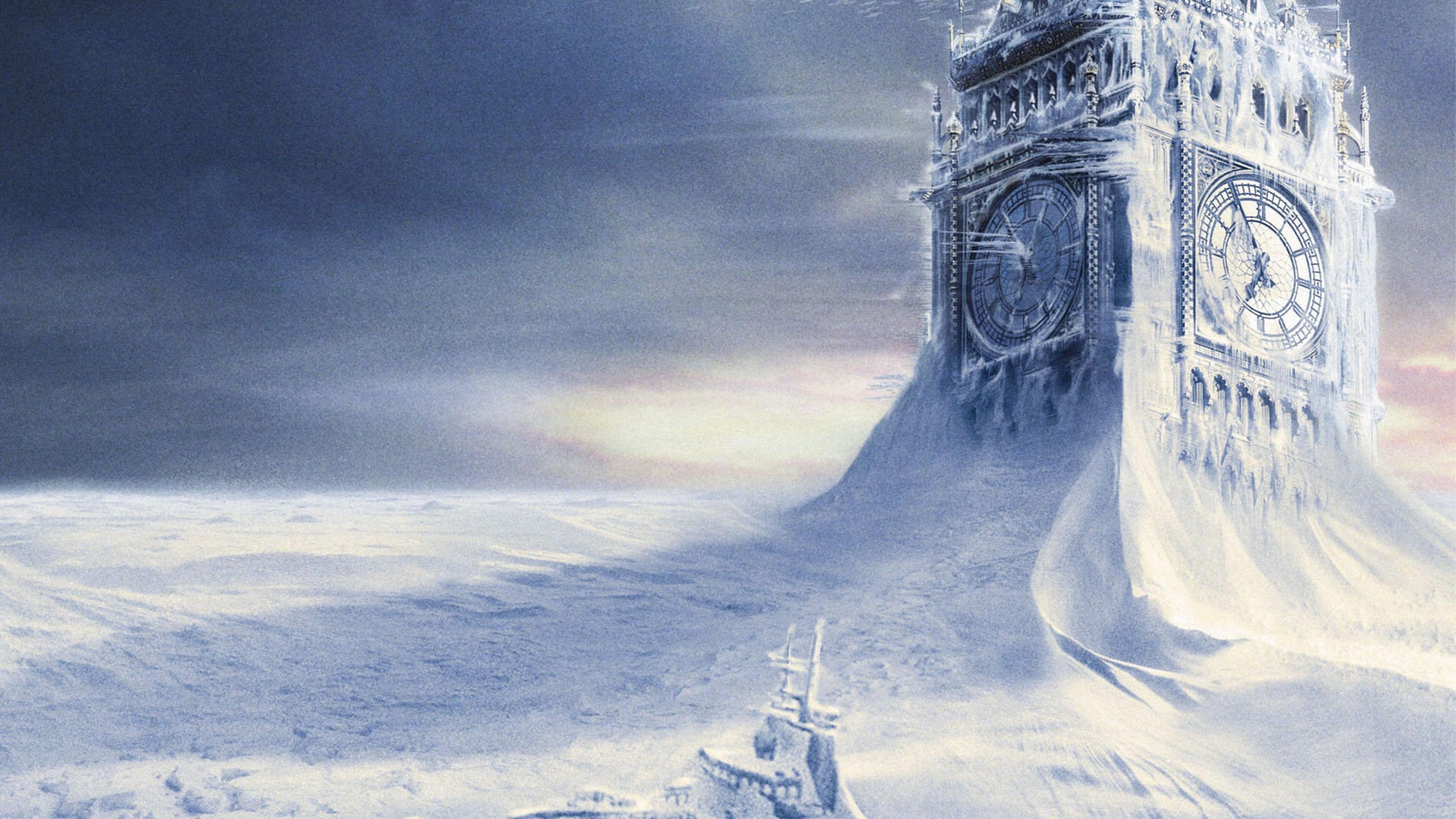
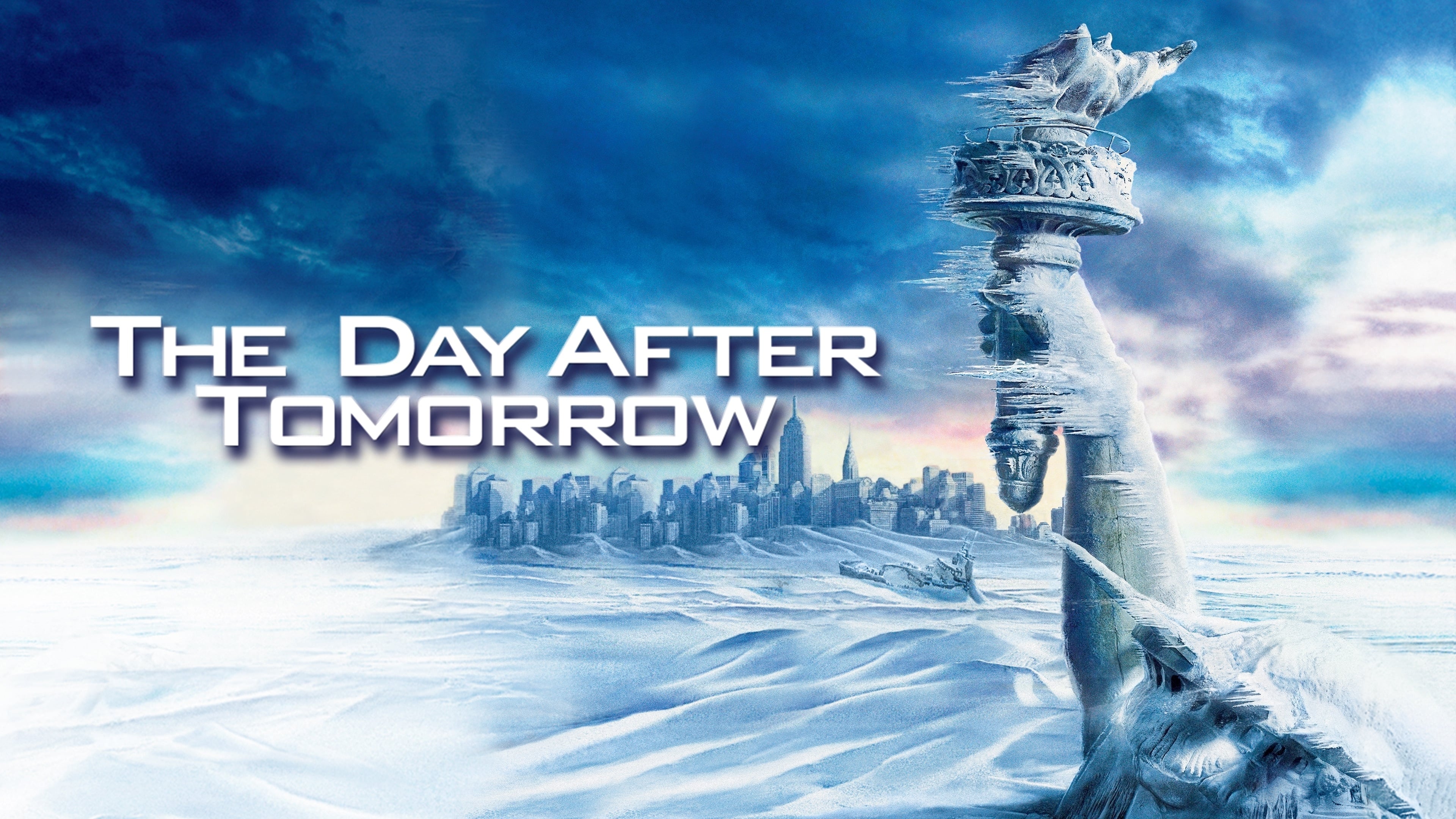
One of the most recognizable features of The Day After Tomorrow is its visual presentation. The movie depicts dramatic storms, flooded streets, icy landscapes, and freezing urban environments. These effects create an atmosphere in which familiar places become almost unrecognizable.
The large-scale sequences help establish the sense of a worldwide emergency. Instead of focusing on a single isolated incident, the film presents a chain of events that affects multiple regions. Its use of computer-generated imagery and practical filmmaking techniques supports the story’s ambitious scale.
The freezing conditions in New York are particularly important to the narrative. The city becomes a setting where the characters must think carefully about shelter, warmth, and cooperation. The visual contrast between the busy metropolis and its frozen surroundings is one of the film’s strongest cinematic elements.
Themes of Family, Courage, and Cooperation
Although the disaster is central to the plot, the emotional story is equally important. Jack’s journey demonstrates the lengths a parent may go to protect a child. His determination remains strong even when the odds appear unfavorable.
Sam’s experiences explore responsibility and teamwork. Rather than relying entirely on outside help, the characters must support each other and consider the needs of their group. Their choices show how cooperation can become essential during a crisis.
The film also explores the relationship between scientific knowledge and public decision-making. Jack’s warnings raise questions about how leaders respond to unfamiliar threats and why evidence should be considered carefully. These themes give the movie more substance than a sequence of spectacular weather events alone.
Climate Science and Fiction
The Day After Tomorrow uses climate science as the foundation for its fictional disaster. However, its portrayal of a sudden worldwide transition into an ice age is highly dramatized for entertainment. Real climate systems are complex, and the movie should not be treated as a precise scientific prediction.
Its broader themes still encourage audiences to think about environmental systems, extreme weather, scientific research, and preparedness. Viewers can enjoy the story while recognizing the difference between Hollywood storytelling and real-world climate science.
Why the Movie Remains Memorable
The combination of large-scale disaster imagery and a family-centered story helps the film stand out. The special effects provide spectacle, while Jack and Sam’s relationship gives viewers a personal reason to care about the outcome.
The movie also creates suspense by placing familiar locations in unfamiliar conditions. The transformation of city streets into flooded or frozen environments gives the audience a striking visual contrast. Its mixture of action, adventure, science fiction, and drama makes it suitable for viewers who enjoy disaster-themed cinema.
Another reason the film remains recognizable is its accessible central conflict: a scientist tries to warn others about a major threat while attempting to protect his family. This simple emotional foundation makes the story easy to follow despite the enormous scale of the fictional catastrophe.
Final Verdict
The Day After Tomorrow (2004) is an entertaining science fiction disaster film that combines extreme weather, survival challenges, visual spectacle, and family drama. Dennis Quaid and Jake Gyllenhaal help anchor the story with performances that give the large-scale events a personal focus.
Although its climate scenario is exaggerated for cinematic purposes, the movie offers a compelling fictional look at how communities and families might respond to an extraordinary emergency. Fans of disaster adventures, survival stories, and science fiction may find it an engaging choice.
For viewers discovering this classic disaster movie, The Day After Tomorrow offers a blend of suspense, dramatic visuals, emotional storytelling, and environmental themes that continues to make it a recognizable title in the genre.





Original title The Day After Tomorrow
IMDb Rating 6.5 10 votes
TMDb Rating 6.568 9,210 votes
Director

Director
Cast

Jack Hall

Sam Hall

Terry Rapson

Laura Chapman

Dr. Lucy Hall

Jason Evans

Vice President Becker

Frank Harris

J.D.

President Blake
Similar Movies & TV Shows