
Download Link Below 📂🡻 1 Views
- Watch trailer
- Server 1vidcore.io

- SERVER US HD

Synopsis
American Psycho (2000) – Movie Review, Story, Characters, and Psychological Analysis
Introduction to the Film
American Psycho is a psychological thriller released in 2000 that explores materialism, identity, violence, obsession, and the disturbing emptiness hidden beneath a glamorous lifestyle. Directed by Mary Harron and co-written by Harron and Guinevere Turner, the film is based on Bret Easton Ellis’s controversial 1991 novel. Christian Bale delivers a memorable performance as Patrick Bateman, a wealthy investment banker whose polished appearance conceals a deeply disturbing personality.
Set in Manhattan during the late 1980s, the movie presents a world of expensive restaurants, designer clothing, exclusive clubs, luxury apartments, and ambitious professionals. Beneath this attractive surface lies a society obsessed with wealth, reputation, social status, and appearances. The contrast between elegance and brutality gives the film its distinctive atmosphere and makes it a compelling choice for audiences interested in complex psychological cinema.
Rather than functioning as a conventional crime story, American Psycho uses dark comedy, suspense, and unsettling imagery to examine the relationship between personal identity and social expectations. Its unusual narrative encourages viewers to question what they see and whether the main character can be trusted.
Storyline and Plot Overview
The story follows Patrick Bateman, a successful young investment banker who appears to have everything society considers desirable. He has an impressive career, an expensive apartment, fashionable clothes, and access to the city’s most exclusive establishments. His daily routine revolves around physical appearance, grooming, fitness, restaurant reservations, and maintaining his carefully constructed image.
Despite his apparent success, Patrick feels disconnected from the people around him. His relationships are superficial, and his conversations frequently revolve around consumer products, business cards, music, and social competition. He and his colleagues often resemble one another so closely that they struggle to distinguish each other’s identities. This recurring confusion becomes an important element of the film’s satire.
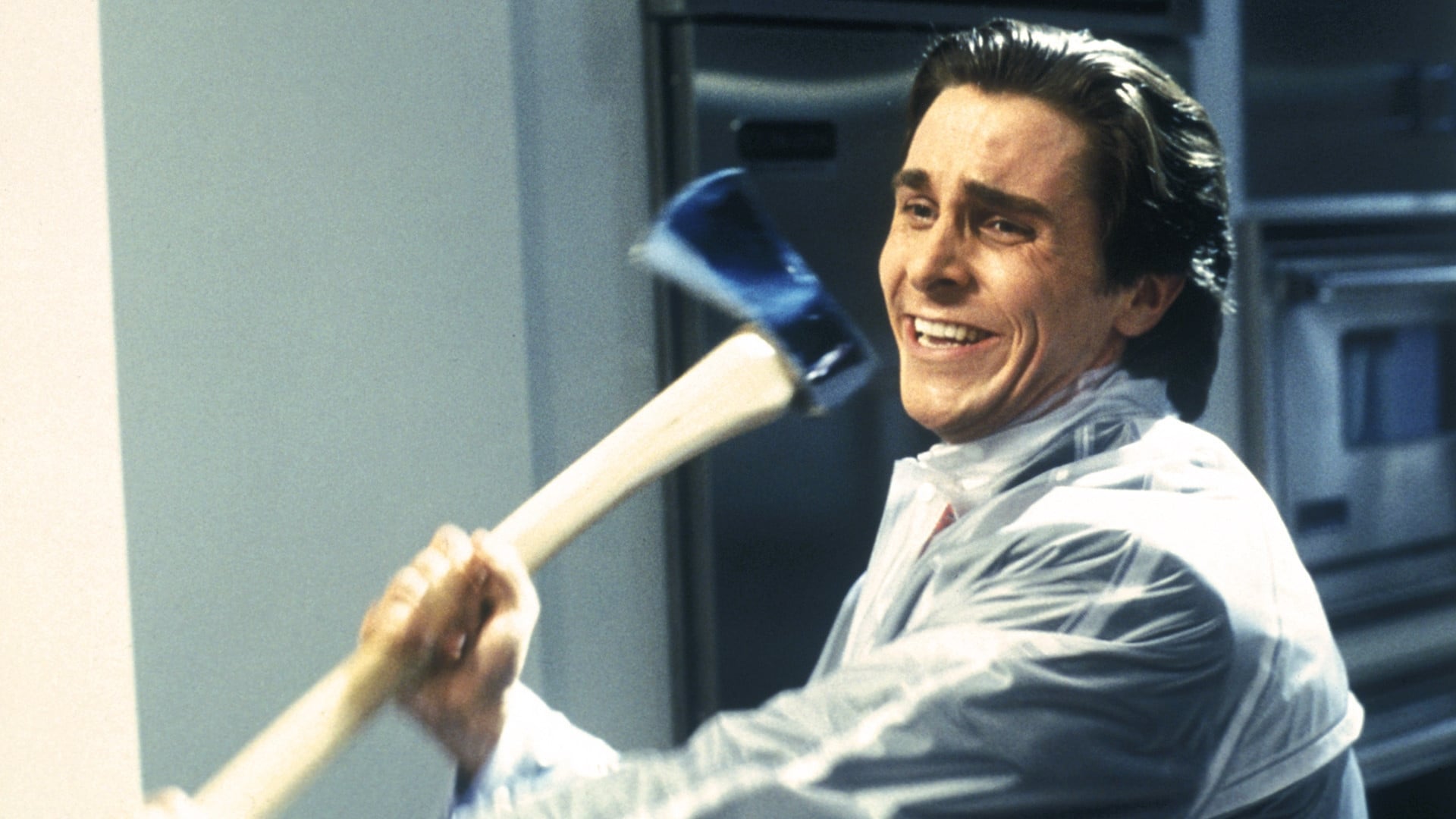
Patrick’s outward sophistication contrasts sharply with his violent fantasies and increasingly disturbing behavior. As the story develops, the audience is drawn into his fractured perspective, where ordinary social interactions can suddenly become threatening and shocking events appear alongside scenes of everyday luxury.
The film gradually blurs the boundaries between reality, imagination, and unreliable narration. Patrick’s experiences become increasingly difficult to interpret, creating uncertainty about what has actually happened. This ambiguity is central to the mystery and gives the narrative much of its lasting psychological impact.
Patrick Bateman: A Disturbing Main Character
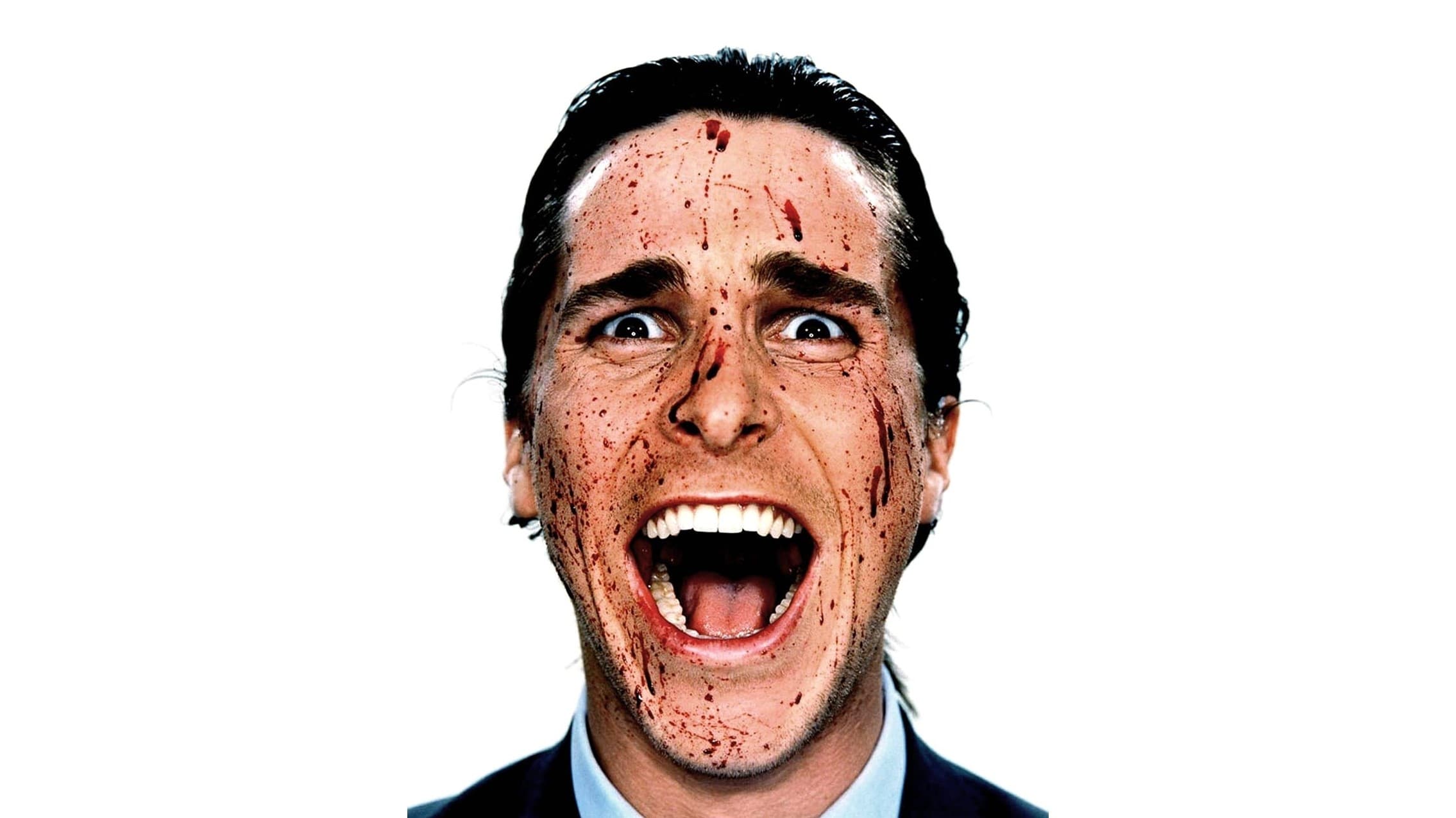
Christian Bale portrays Patrick Bateman as a man who carefully constructs his identity through appearance, routine, and social performance. His character is physically disciplined and extremely conscious of how others perceive him. Every detail, from his skincare routine to his clothing, reflects his desire to maintain control over his public image.
However, Patrick’s polished exterior does not represent genuine confidence or emotional stability. He appears trapped in a world where personal worth is measured by professional success, possessions, and social recognition. His obsession with these standards reveals a profound emptiness beneath his carefully maintained lifestyle.
Bale’s performance moves between charm, arrogance, nervousness, and frightening intensity. He can appear perfectly composed during a conversation before revealing an unsettling change in expression or behavior. This contrast makes the character unpredictable and reinforces the film’s psychological tension.
One of the most interesting aspects of Patrick’s characterization is his apparent inability to form a stable sense of self. He imitates the preferences and mannerisms of those around him while simultaneously competing with them. His identity becomes another product to display, rather than something grounded in meaningful relationships or personal values.
The World of Wealth, Status, and Competition
American Psycho uses the luxury culture of 1980s Manhattan to criticize a society that prioritizes financial success and external appearances. The characters spend considerable energy discussing expensive products, fashionable restaurants, business achievements, and exclusive social opportunities.
These conversations often seem absurdly important to the people having them. Small differences in clothing, restaurant access, or professional reputation can become sources of intense rivalry. Meanwhile, genuine emotional connection appears largely absent from their interactions.
The film’s satire is particularly effective because the characters often speak in polished, confident language while revealing little about their inner lives. Their conversations become performances designed to communicate superiority. In this environment, people are valued less for their individuality than for their ability to demonstrate status.
Patrick represents an extreme version of this culture. His fixation on appearance and prestige is not simply a personal habit; it reflects the values of the environment surrounding him. The movie invites audiences to consider how a culture built around competition and consumption can encourage people to treat others as objects rather than individuals.
Supporting Characters and Their Importance
The supporting cast helps establish the social world in which Patrick operates. His colleagues, romantic partners, acquaintances, and business associates provide different perspectives on the culture of ambition and superficiality.
Willem Dafoe plays Detective Donald Kimball, whose investigation introduces an element of conventional crime drama into the increasingly strange narrative. His interactions with Patrick create suspense because the audience cannot be certain how much the detective understands or whether Patrick’s carefully maintained appearance will protect him.
Jared Leto portrays Paul Allen, a fellow professional whose social position becomes a source of resentment and rivalry. The character also contributes to the film’s recurring theme of mistaken identity, as the men in Patrick’s circle frequently confuse one another.
Reese Witherspoon plays Evelyn Williams, Patrick’s fiancée. Their relationship highlights the emotional distance between them and the emptiness of a partnership shaped by social expectations. Samantha Mathis appears as Courtney Rawlinson, adding another dimension to the complicated relationships surrounding Patrick.
These characters are not merely background figures. Their interactions illustrate a social environment in which people frequently fail to recognize one another’s feelings, motivations, or even identities. This lack of meaningful connection strengthens the film’s central themes.
Psychological Horror and Dark Comedy
American Psycho film combines psychological horror with dark comedy in a way that makes its tone difficult to categorize. Some scenes are frightening because of their violence and unpredictability, while others are deliberately absurd. This combination encourages viewers to feel uncomfortable even when the dialogue or situation seems humorous.
Patrick’s lengthy discussions about music are particularly revealing. He delivers confident, elaborate commentary about popular artists while demonstrating little genuine emotional connection to the people around him. These sequences expose the difference between appearing knowledgeable and possessing a meaningful inner life.
The humor also emerges from the characters’ extreme concern with status. Their competition over business cards and restaurant reservations transforms ordinary consumer preferences into exaggerated struggles for superiority. Such moments can be funny, but the comedy also reveals how little substance exists beneath their carefully managed social identities.
The horror becomes more effective because it exists within an otherwise recognizable environment. Luxury apartments, offices, restaurants, and fashionable gatherings provide a polished setting for disturbing behavior. This contrast creates a persistent feeling that something is fundamentally wrong beneath the surface of ordinary life.
Visual Style, Direction, and Cinematic Techniques
Mary Harron’s direction plays a major role in establishing the film’s unsettling atmosphere. The visual style emphasizes clean interiors, fashionable clothing, carefully arranged objects, and controlled compositions. These choices reflect Patrick’s desire for order while also suggesting that his world has become unnaturally artificial.
The contrast between beautiful surroundings and disturbing events is central to the movie’s visual identity. The polished environments often feel cold rather than welcoming, emphasizing the emotional emptiness of the characters’ lives.
The editing also contributes to the film’s uncertainty. Shifts in tone and increasingly strange developments make it difficult to determine where ordinary reality ends and Patrick’s distorted perspective begins. Instead of providing straightforward explanations, the narrative leaves viewers to evaluate conflicting possibilities.
Music is another important element. References to contemporary popular music help establish the period and reveal Patrick’s tendency to transform cultural products into tools for self-presentation. His discussions of music often sound more like performances of sophistication than sincere expressions of personal taste.
Together, the direction, editing, performances, and soundtrack create a distinctive cinematic experience that remains unsettling long after the story ends.
Themes of Identity, Isolation, and Moral Emptiness
At its core, American Psycho examines the consequences of defining personal identity through external recognition. Patrick measures himself against other people and constantly seeks evidence that he is successful, attractive, and socially important. Yet these achievements never appear to satisfy him.
American Psycho film also explores isolation. Although Patrick spends much of his time surrounded by colleagues, acquaintances, and romantic partners, he rarely establishes meaningful emotional connections. His relationships are shaped by competition, convenience, and appearances rather than trust or empathy.
Another central theme is the failure of social systems to recognize genuine human behavior beneath respectable appearances. The characters’ obsession with wealth and professional standing makes it difficult for them to see beyond familiar labels. People who look successful are assumed to be successful, while individuality disappears behind expensive suits and corporate titles.
The movie’s treatment of violence intensifies this criticism. Rather than presenting brutality as an isolated problem unrelated to society, the narrative places its disturbing events within a culture that routinely ignores emotional suffering and rewards superficial achievement.
Why the Ending Remains Controversial
The ending of American Psycho deliberately avoids providing a simple explanation for everything the audience has witnessed. As Patrick attempts to communicate what has happened, the people around him fail to respond in the way he expects. Their reactions deepen the uncertainty surrounding his experiences and the consequences of his actions.
Several interpretations remain possible. Some viewers understand the ending as evidence that Patrick’s crimes have occurred but that his privileged social environment protects him from meaningful consequences. Others believe that parts of his story may be imagined, exaggerated, or distorted by his unstable perspective.
American Psycho film does not completely resolve this uncertainty, and that ambiguity is essential to its effect. The ending encourages audiences to revisit earlier scenes and question the reliability of the narrative itself.
It also reinforces the film’s social criticism: in a world obsessed with appearances, a person’s polished exterior may matter more than the truth. The final moments are therefore not simply a mystery to solve; they are a continuation of the movie’s broader examination of identity, accountability, and moral indifference.
Critical Reception and Cultural Impact
Since its release, the film has developed a lasting reputation as a distinctive work of psychological cinema. Its combination of disturbing subject matter, dark humor, social satire, and an intentionally ambiguous narrative has inspired extensive discussion among movie fans and critics.
Christian Bale’s performance is particularly important to the film’s legacy. His transformation into Patrick Bateman demonstrates how physical discipline, controlled expressions, and carefully timed changes in tone can create an unsettling character without relying entirely on exaggerated behavior.
The film has also become a recognizable part of popular culture. Patrick Bateman’s appearance, workout routine, business-card scene, and music discussions are frequently referenced in online conversations, memes, and discussions about masculinity and status. However, the character’s popularity in internet culture sometimes overlooks the film’s criticism of the very values he represents.
The movie’s continued relevance comes from its exploration of consumerism, social competition, and the gap between public image and private behavior. These themes extend beyond its original historical setting and remain recognizable to modern audiences.
Why You Should Watch This Movie
American Psycho is worth considering if you enjoy psychological thrillers that challenge viewers to interpret a complicated protagonist and an ambiguous storyline. Rather than explaining every detail, it creates tension through uncertainty, characterization, and carefully constructed contrasts.
The movie offers several reasons for its enduring appeal:
Christian Bale’s performance: A controlled, memorable portrayal of a deeply unsettling character.
Psychological suspense: An increasingly uncertain narrative that encourages viewers to question what is real.
Social satire: A sharp examination of wealth, consumerism, status, and superficial relationships.
Dark comedy: Absurd conversations and social rituals that expose the emptiness of the characters’ world.
Memorable direction: A polished visual style that contrasts sharply with the story’s disturbing subject matter.
An ambiguous ending: A conclusion that invites discussion and multiple interpretations.
The film is not designed to provide a conventional heroic journey or a straightforward mystery with every question answered. Its strength lies in its ability to make the audience examine the main character’s perspective while questioning the social environment around him.
Final Verdict
American Psycho remains a compelling psychological thriller because it combines a memorable central performance with unsettling storytelling and incisive social commentary. Mary Harron’s direction creates a carefully controlled world where luxury and brutality coexist, while Christian Bale gives the central character an unsettling mixture of charm, arrogance, and instability.
The film’s greatest strength is its ability to operate on several levels. It can be viewed as a psychological horror story, a dark comedy, a character study, or a satire of consumer culture. Its ambiguity invites discussion, while its memorable scenes ensure that the experience stays with viewers.
For audiences who appreciate intelligent thrillers, morally complicated characters, and endings that leave room for interpretation, this movie offers a distinctive cinematic experience. It is best approached as a disturbing critique of superficial values rather than an endorsement of its protagonist’s behavior.
Ultimately, American Psycho is a film about the danger of confusing appearance with identity and social success with genuine human worth. Its unsettling atmosphere, strong performances, and layered themes make it a notable entry in modern psychological cinema.



Original title American Psycho
IMDb Rating 7.6 10 votes
TMDb Rating 7.4 12,878 votes
Director

Director
Cast

Patrick Bateman

Timothy Bryce

Craig McDermott

David Van Patten

Jean

Evelyn Williams

Courtney Rawlinson

Luis Carruthers

Paul Allen

Donald Kimball
Similar Movies & TV Shows