


Download Link Below 📂🡻 Select your preferred language from the audio options in the video player above. 11 Views
- Watch trailer
- Server 1vidrift.net

- Server 2vidy.st
- Server 3vidcore.io
- SERVER US HD

Synopsis
Midsommar (2019) – A Brilliant and Terrifying Psychological Folk Horror Movie
Midsommar is a 2019 psychological folk horror film that offers a very different experience from traditional horror movies. Directed and written by Ari Aster, the film combines disturbing atmosphere, emotional drama, mysterious traditions, and psychological tension. Starring Florence Pugh, Jack Reynor, William Jackson Harper, and Will Poulter, it tells an unsettling story about relationships, grief, isolation, and a mysterious summer festival in Sweden.
Unlike many horror films that depend on darkness and sudden scares, Midsommar takes place mostly in bright daylight. Its beautiful countryside setting creates a strange contrast with the increasingly uncomfortable events taking place around the characters. This unusual approach makes the film memorable for viewers who enjoy slow-burning psychological horror.
Midsommar Movie Story and Plot
The story follows Dani, a young woman dealing with a deeply painful family tragedy. At the same time, her relationship with her boyfriend Christian has become emotionally distant. Christian is planning a trip to Sweden with his friends, who have been invited to visit a remote community by their Swedish friend Pelle.
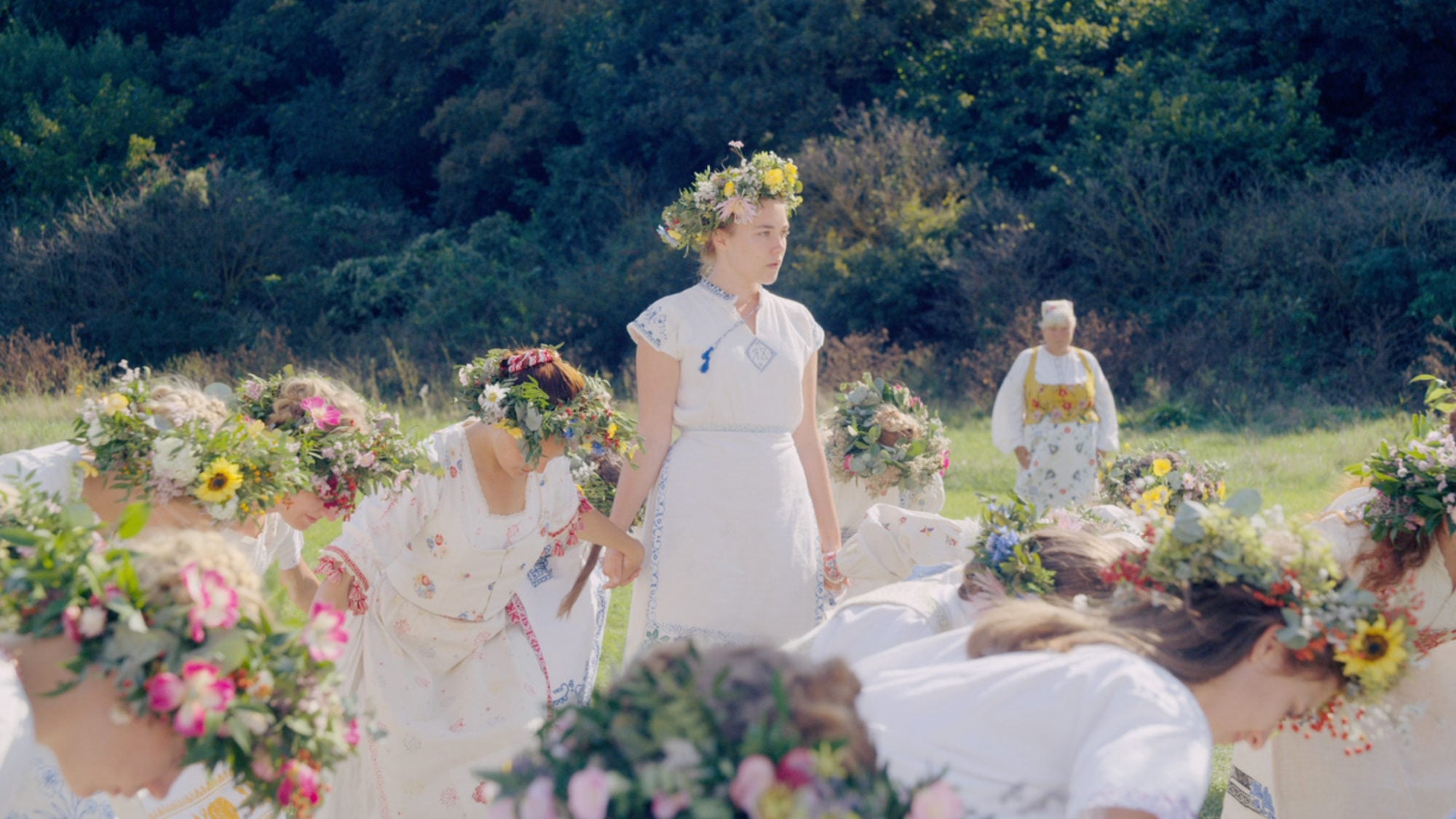
After a difficult period in her life, Dani decides to join the group on their journey. They travel to a rural Swedish village to attend a traditional midsummer celebration held by the local community. At first, the place appears peaceful and welcoming, with beautiful landscapes, flower decorations, traditional clothing, and friendly residents.
However, the celebration gradually reveals unusual customs and unsettling traditions. As the visitors learn more about the community, they begin to question what is happening around them. The festival becomes increasingly disturbing, and the group discovers that the village follows a way of life very different from their own.
The central mystery of Midsommar develops through the visitors’ reactions to the community and the decisions they make during their stay. Dani’s personal struggles also become an important part of the story, connecting the film’s psychological themes with its folk horror elements.
Florence Pugh’s Performance
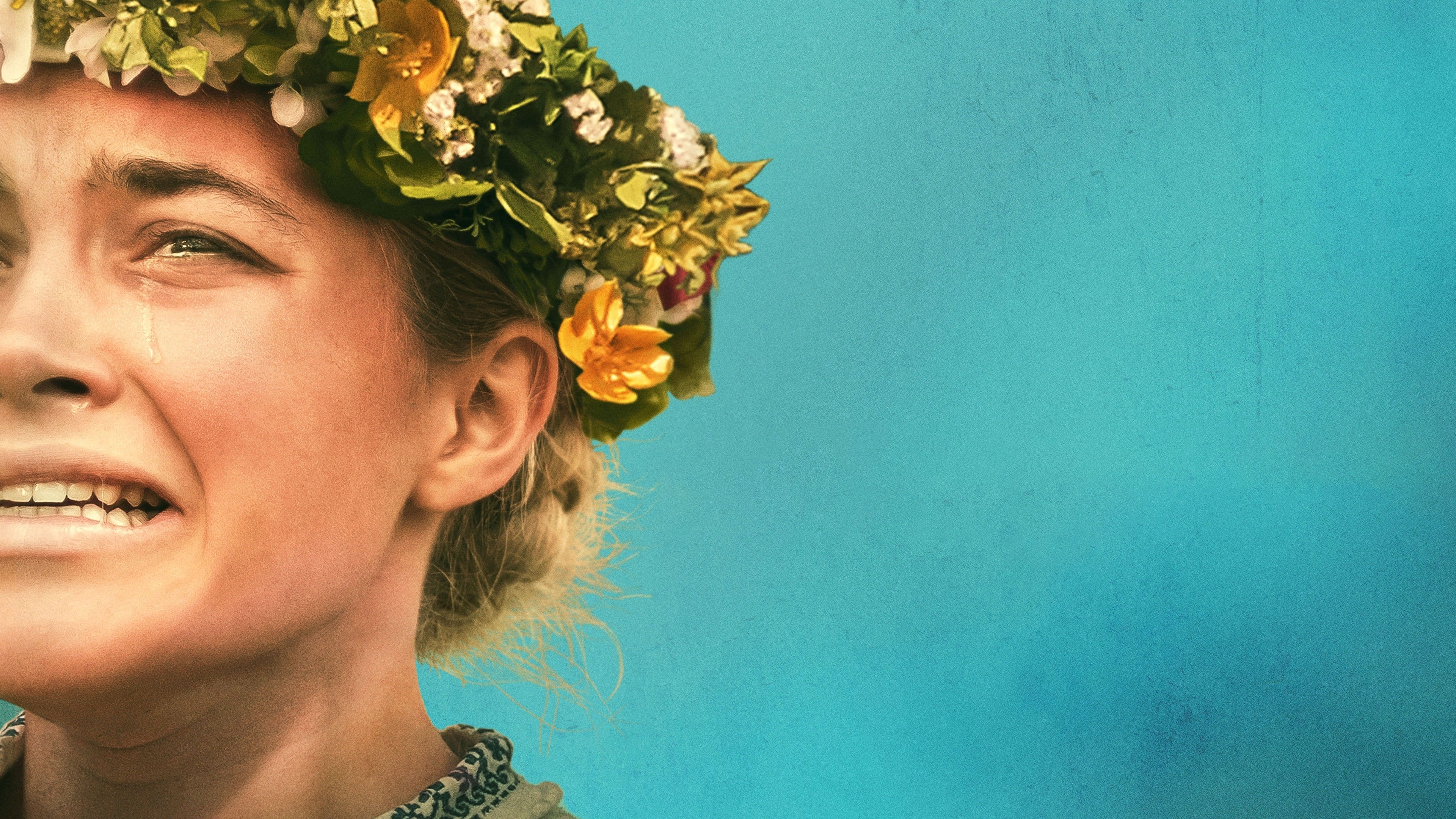
Florence Pugh delivers a powerful performance as Dani. Her character experiences grief, emotional uncertainty, and a complicated relationship throughout the film. Pugh communicates these feelings through a carefully controlled performance that gives the story much of its emotional strength.
Jack Reynor plays Christian, Dani’s boyfriend, whose relationship with her becomes increasingly strained. William Jackson Harper appears as Josh, a student interested in studying the community’s traditions. Will Poulter plays Mark, whose personality adds moments of awkward humour to the group’s interactions.
Vilhelm Blomgren portrays Pelle, the Swedish friend who introduces the visitors to his home community. Each supporting character contributes to the growing tension as the festival progresses.
Direction, Cinematography and Atmosphere
Director Ari Aster creates a distinctive visual style for Midsommar. The film uses bright natural lighting, colourful flowers, detailed costumes, and carefully designed village locations to establish an atmosphere that feels both beautiful and unsettling.
The cinematography plays an important role in building tension. Wide shots of the countryside make the setting appear peaceful, while the camera gradually reveals details that change the viewer’s understanding of the community.
The music and sound design also contribute to the film’s uncomfortable atmosphere. Traditional elements, unusual sounds, and quiet moments help create suspense without relying entirely on conventional horror techniques.
One of the film’s most interesting qualities is its use of daylight. Many horror movies use darkness to hide danger, but Midsommar creates fear in an open environment where the characters can clearly see their surroundings.
Themes of Grief, Relationships and Belonging
Beyond its horror elements, Midsommar explores several emotional and psychological themes. Dani’s experience of grief influences how she sees the world and interacts with other people. Her relationship with Christian raises questions about communication, emotional support, and the difficulties of staying connected during personal struggles.
The film also explores the human desire to belong to a community. The village offers a strong sense of shared identity and collective tradition, but its customs challenge the visitors’ expectations and beliefs.
These themes give Midsommar more depth than a straightforward horror story. Its unsettling atmosphere is connected to the characters’ emotional experiences and the strange social environment surrounding them.
Why Midsommar Is Worth Watching
Fans of psychological horror and folk horror may find Midsommar particularly interesting because of its unusual setting and slow-building suspense. The film takes familiar horror ideas and presents them through colourful visuals, cultural traditions, and emotionally complicated characters.
Florence Pugh’s performance, Ari Aster’s direction, and the detailed production design make the movie a distinctive entry in modern horror cinema. It is especially suitable for viewers who appreciate atmospheric storytelling and films that leave room for interpretation.
Final Verdict
Midsommar (2019) is a memorable psychological folk horror film that combines emotional drama with an unsettling mystery. Its bright Swedish setting, strong performances, and unusual storytelling approach make it different from conventional horror movies.
Florence Pugh gives the film a compelling emotional centre, while Ari Aster creates a carefully constructed world filled with mystery and tension. If you enjoy slow-burning horror, psychological drama, and mysterious festival stories, Midsommar is a film worth adding to your watchlist.




Original title Midsommar
IMDb Rating 7.1 10 votes
TMDb Rating 7.141 8,583 votes
Director

Director
Cast

Dani

Christian

Mark

Pelle

Maja

Siv

Connie

Simon
Similar Movies & TV Shows