Download Link Below 📂🡻 0 Views
- Watch trailer
- Server 1vidrift.net

- Server 2vidy.st
- Server 3vidcore.io

- SERVER US HD
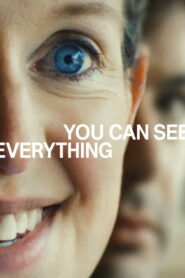
You Can See Everything (2026): A Powerful, Unforgettable Documentary
Synopsis
You Can See Everything (2026) – A Powerful and Unforgettable Documentary
You Can See Everything (2026) is an intriguing documentary that explores the public image, personal life, and complicated legacy of Elizabeth Holmes, the founder of Theranos. Directed by Nathan Fielder and Lance Oppenheim, the film takes an unconventional approach to documentary filmmaking, combining real-life observation with staged reenactments to create a story that challenges viewers’ expectations.
The film focuses on the world surrounding a controversial technology entrepreneur whose company once promised to transform medical testing. Rather than presenting a straightforward biography, the documentary examines how public perception, ambition, business decisions, and personal relationships can influence the way people understand a public figure.
You Can See Everything (2026) Movie Overview
You Can See Everything is an American documentary released in October 2026. With a runtime of approximately 174 minutes, the film gives its subject and surrounding events considerable room to develop. Its unusual structure distinguishes it from conventional biographical documentaries.
The directors, Nathan Fielder and Lance Oppenheim, approach the subject through a mixture of observation, carefully constructed situations, and cinematic storytelling. This combination creates uncertainty about what viewers are watching and encourages them to question how documentaries represent reality.
The film features Elizabeth Holmes, Nathan Fielder, and Billy Evans, alongside dramatized portrayals involving Amanda Seyfried and Christopher Abbott. These different perspectives contribute to the documentary’s examination of reputation, identity, and the complicated relationship between private life and public attention.
The Story Behind You Can See Everything
At the center of You Can See Everything is Elizabeth Holmes, whose company Theranos attracted widespread attention for its ambitious promises about blood testing technology. The company became a major business story before serious questions about its technology and claims led to legal consequences.
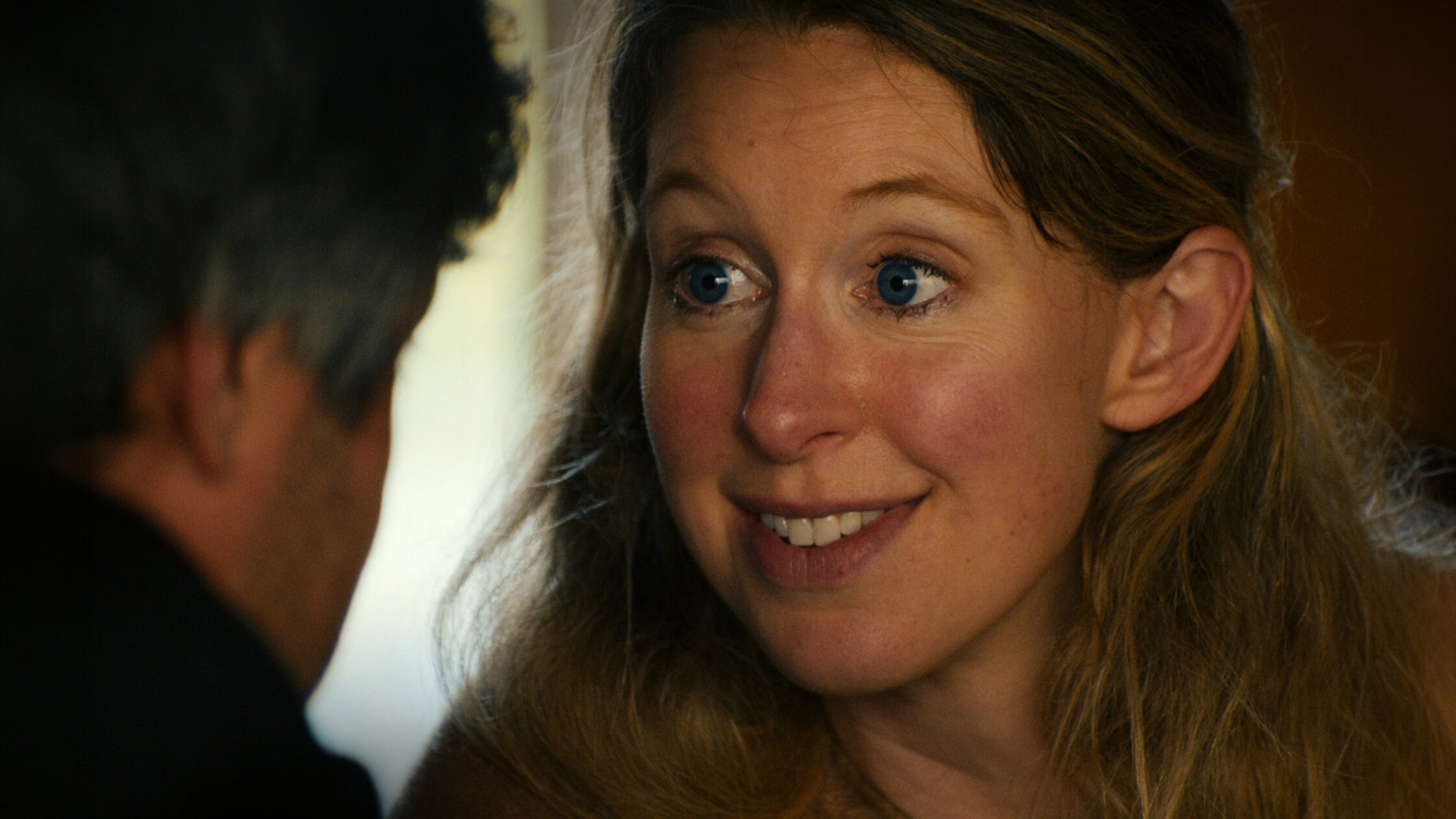
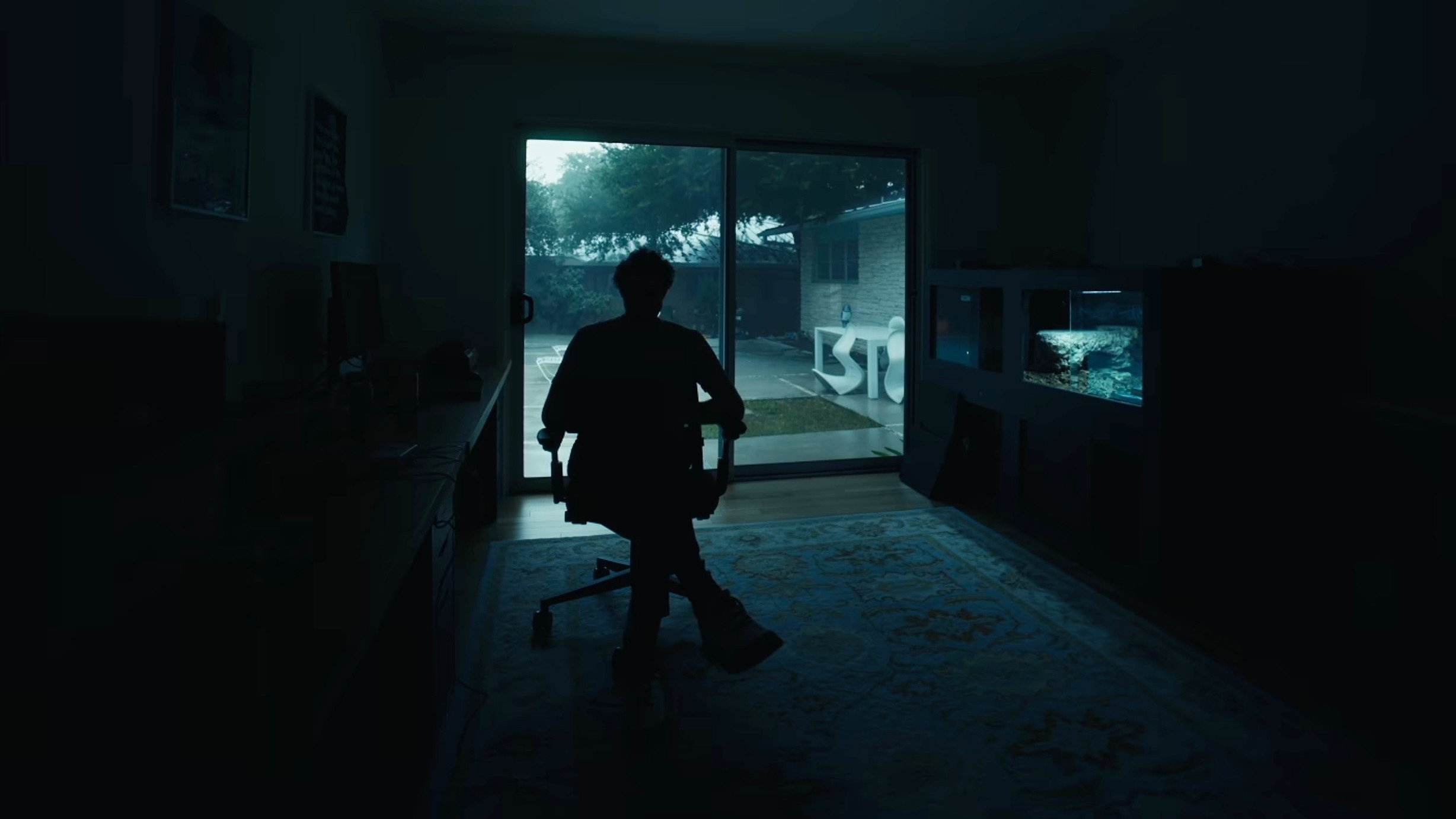
The documentary begins with Holmes inviting a skeptical film crew to document her life shortly before she begins serving a prison sentence. What initially appears to be an intimate portrait gradually develops into a much broader investigation spanning several years.
As the story progresses, the film explores the distance between the image a person presents to the world and the way others interpret that image. Conversations, everyday interactions, and unexpected developments become important parts of the narrative.
Rather than providing a simple explanation for every event, the documentary leaves room for uncertainty. Viewers are encouraged to consider what they see, question the information presented, and form their own interpretations of the people involved.
Direction and Filmmaking Style
One of the most distinctive elements of You Can See Everything is its unconventional filmmaking style. Nathan Fielder and Lance Oppenheim move beyond the familiar format of interviews, archival footage, and expert commentary.
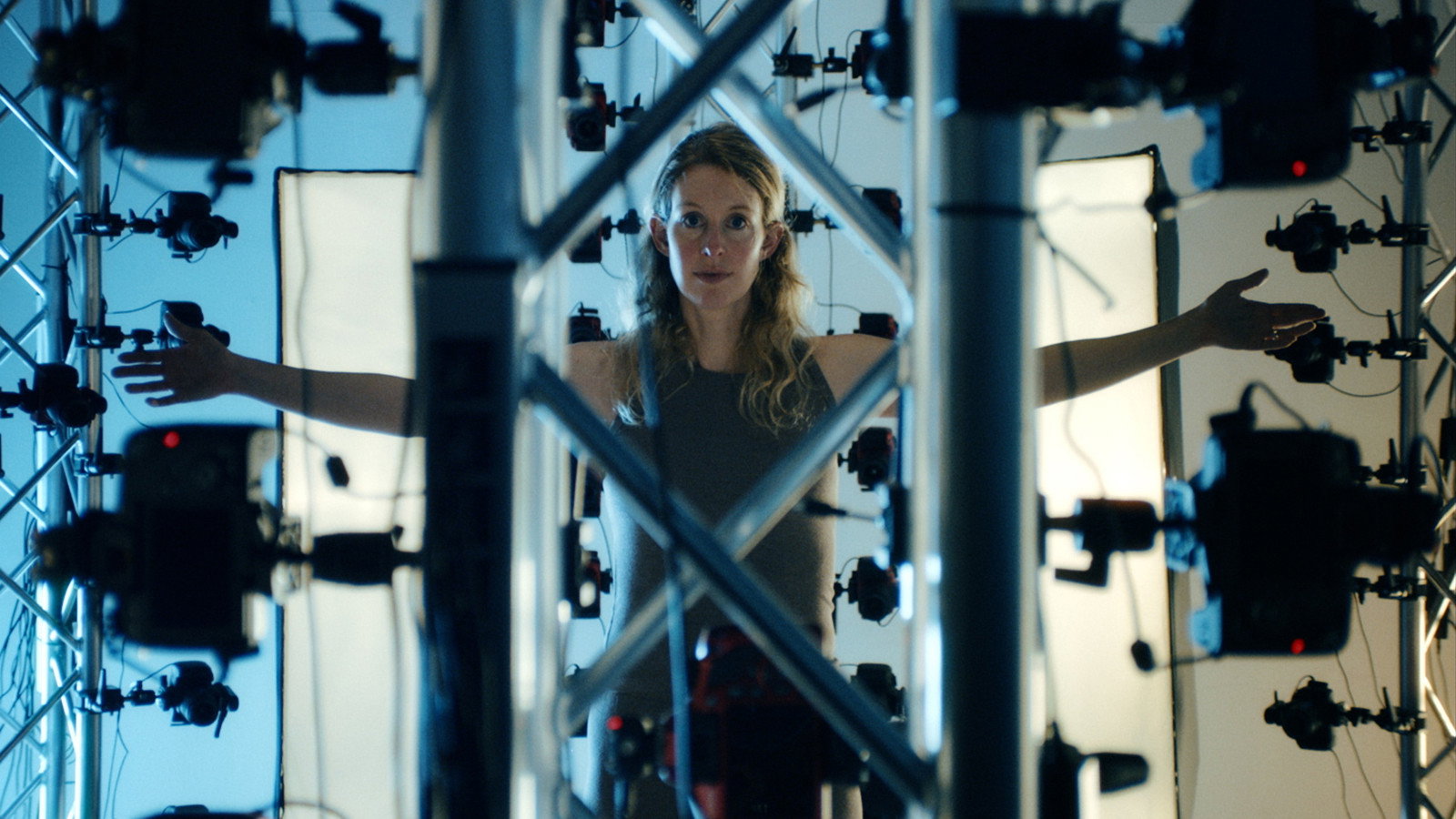
Instead, the film combines documentary observation with constructed scenes and reenactments. This approach creates a deliberately unusual viewing experience in which the boundary between observation and performance becomes an important subject in its own right.
The directors use this style to examine how people behave when they know they are being watched. The presence of cameras can influence conversations, personal interactions, and the ways individuals present themselves. Consequently, the filmmaking process becomes part of the story rather than simply a method of recording it.
This creative decision may appeal to viewers who enjoy experimental documentaries and films that challenge traditional storytelling conventions.
Performances and Key Personalities
Elizabeth Holmes is the central figure in the documentary, while Nathan Fielder also plays a significant role through his interactions with the people being filmed. Billy Evans provides another important perspective on the personal relationships surrounding Holmes.
The film also incorporates dramatized performances by Amanda Seyfried and Christopher Abbott. These reenactments allow the filmmakers to explore events and perspectives beyond the immediate observational footage.
Rather than functioning like a traditional scripted drama, these elements contribute to the documentary’s broader questions about memory, representation, and the reliability of what audiences see on screen.
The result is a film that invites discussion about the responsibilities of filmmakers and the challenges involved in telling a complicated real-world story.
Themes of Ambition, Reputation, and Accountability
You Can See Everything explores several interconnected themes, including ambition, public image, personal responsibility, and the influence of technology on society.
Holmes’s association with Theranos provides the historical context for these questions. The company’s rise and subsequent collapse illustrate the importance of examining extraordinary business claims carefully, particularly when they involve healthcare and scientific innovation.
The documentary also considers how media attention can shape the public understanding of individuals. A person’s reputation may be influenced by business success, personal relationships, legal developments, and the stories told by journalists and filmmakers.
Another central theme is observation itself. By showing people in situations where they know cameras are present, the film raises questions about authenticity and whether anyone can be fully understood through a recorded image.
These ideas make the documentary relevant to viewers interested in technology, business ethics, media culture, and the psychology of public figures.
Why You Can See Everything Is Worth Discussing
The film stands out because it approaches a widely discussed real-world story from an unusual cinematic perspective. Instead of simply repeating familiar information about Theranos, it examines how a documentary can shape the way audiences perceive its subjects.
Its lengthy runtime allows the story to develop gradually, while its mixture of observation and reenactment creates opportunities for interpretation and debate.
Viewers interested in unconventional filmmaking may appreciate how the directors challenge the traditional separation between a filmmaker and the people being filmed. The documentary also offers material for conversations about corporate accountability, the influence of celebrity, and the difficulty of distinguishing public narratives from private realities.
Because the film leaves some questions open to interpretation, different viewers may come away with different conclusions. That ambiguity is an important part of its identity.
Final Verdict
You Can See Everything (2026) is an unconventional documentary that combines real-world subject matter with experimental storytelling. Directed by Nathan Fielder and Lance Oppenheim, it examines Elizabeth Holmes, the Theranos controversy, and the complicated relationship between public image and personal identity.
Its unusual structure, extended runtime, and combination of observation with dramatized scenes distinguish it from a conventional biography. The film is particularly relevant to audiences interested in documentary filmmaking, technology controversies, media representation, and stories about ambition and accountability.
For viewers seeking a documentary that encourages discussion rather than providing only a straightforward account of events, You Can See Everything offers an unusual cinematic experience. Its central questions about observation, reputation, and the stories people tell about themselves remain relevant long after the film ends.



Director

Cast