





Download Link Below 📂🡻 1 Views
- Watch trailer
- Server 1indbd.pages.dev

- SERVER US HD

Synopsis
Uma (2018) – Heartwarming Bengali Movie Review, Story and Cast
Introduction
Uma is a Bengali drama film released in 2018 and directed by Srijit Mukherji. Featuring Jisshu Sengupta, Sara Sengupta, Sayantika Banerjee, Anjan Dutt, and Anirban Bhattacharya, the film tells an emotional story about family, hope, love, and the extraordinary lengths a parent may go to fulfill a child’s dream.
The story centers on a young girl named Uma who wishes to experience Durga Puja in Kolkata. Because of her serious illness, fulfilling this simple wish becomes a significant challenge for her family. Her father decides to make an extraordinary effort to create a special celebration for her, turning the film into an emotional journey about the power of love and imagination.
With its connection to Bengali culture, the atmosphere of Durga Puja, and its focus on family relationships, Uma offers a meaningful cinematic experience for audiences who appreciate heartfelt dramas. The film combines emotional storytelling with a celebration of community, creativity, and the importance of making precious memories.
Uma Movie Story
The story of Uma revolves around a young girl whose greatest wish is to experience the famous Durga Puja celebrations in Kolkata. The festival is an important part of Bengali cultural life, bringing families and communities together through decorations, rituals, music, art, and public celebrations.
However, Uma’s health creates a difficult situation. Her father, Himadri, understands how much this experience means to his daughter. Knowing that circumstances may prevent her from enjoying the festival in the usual way, he decides to find an unusual solution.
Himadri works with a film director to organize an artificial Durga Puja celebration that can recreate the atmosphere Uma dreams of experiencing. What begins as a personal effort gradually becomes an ambitious undertaking involving planning, creativity, and the participation of other people.
The plan is not simple. Creating a convincing festival requires coordination and the cooperation of people who understand the importance of the mission. The characters must overcome practical difficulties while keeping Uma’s happiness at the center of their efforts.
As the story unfolds, the film explores the emotional reasons behind this extraordinary project. Himadri’s determination demonstrates how a parent’s love can inspire people to do things they might otherwise consider impossible.
The narrative balances the challenges of organizing the celebration with the relationships between its characters. Rather than focusing only on sadness, the story emphasizes hope, kindness, and the value of fulfilling a loved one’s dream.
Jisshu Sengupta as Himadri
Jisshu Sengupta plays Himadri, Uma’s devoted father. His character is the driving force behind the central story. When he realizes that his daughter may not be able to experience the celebration she longs for, he refuses to give up on her dream.
Himadri’s determination makes him an engaging character. He is not portrayed as someone with unlimited resources or effortless solutions. Instead, he must find ways to turn an ambitious idea into reality, relying on his commitment and the help of others.
His journey explores the emotional responsibilities of parenthood. The character’s actions show that love can be expressed through time, effort, sacrifice, and a willingness to face difficult circumstances for someone important.
Jisshu Sengupta brings warmth and emotional depth to the role, helping the audience understand why the celebration matters so much to Himadri.
Sara Sengupta as Uma
Sara Sengupta plays the title character, Uma. Her wish to experience Durga Puja becomes the emotional foundation of the entire film.
Uma represents childhood innocence, imagination, and the importance of small moments that can have extraordinary meaning. Her dream is connected to a cultural celebration that many Bengali families associate with happiness, tradition, and togetherness.
The film uses Uma’s perspective to remind viewers that an experience that seems ordinary to one person may be deeply meaningful to another. Her story encourages audiences to appreciate family time and the memories created through shared experiences.
Her relationship with Himadri gives the narrative its emotional center. The father’s determination and the daughter’s wish are closely connected, making the planned celebration more than a simple event.
Supporting Cast and Characters
The film features a talented ensemble of Bengali performers who help bring its story to life.
Sayantika Banerjee
Sayantika Banerjee plays Menoka, a character involved in the wider story surrounding the planned celebration. Her presence contributes to the film’s ensemble-driven narrative.
Anjan Dutt
Anjan Dutt appears as Brahmananda Chakraborty. His character forms part of the broader network of people connected to the film’s events.
Anirban Bhattacharya
Anirban Bhattacharya plays Mohitosh Sur. His performance adds another dimension to the characters who help shape the unfolding story.
The supporting cast includes several familiar names from Bengali cinema. Together, these performers help create the atmosphere of a community coming together for a meaningful purpose.
Srijit Mukherji’s Direction
Srijit Mukherji directs Uma with a focus on emotional storytelling and Bengali cultural identity. The film combines a personal family story with the wider atmosphere of a major festival.
The central idea provides the director with an opportunity to explore the relationship between cinema, imagination, and real-life emotions. The characters attempt to create an experience that feels authentic and meaningful, even though the celebration itself is specially arranged.
The narrative also draws attention to the people who make large public celebrations possible. Planning an event requires teamwork, creativity, and a shared understanding of its purpose. These elements help expand the story beyond the relationship between a father and daughter.
The direction emphasizes the emotional significance of the characters’ efforts, making the film suitable for viewers who enjoy human-centered dramas.
Durga Puja and Bengali Culture
One of the most distinctive aspects of Uma is its connection to Durga Puja. The festival is a major cultural celebration for Bengali communities, particularly in Kolkata, where elaborate pandals, artistic installations, music, food, and gatherings create a vibrant atmosphere.
For many people, Durga Puja represents much more than a religious occasion. It is also a time for family reunions, friendship, cultural expression, and the creation of lasting memories.
The film uses this cultural background to make Uma’s wish understandable. Experiencing the festival is not simply about visiting a location; it is about becoming part of an atmosphere filled with excitement and community spirit.
By placing the story within this familiar cultural setting, the movie connects a personal family experience to a tradition that holds special meaning for many Bengali viewers.
Emotional Themes of Hope and Parenthood
The relationship between Himadri and Uma is the heart of the movie. His efforts demonstrate the lengths a parent may go to bring happiness to a child facing difficult circumstances.
The film also explores the importance of hope. Although the characters cannot control every aspect of their situation, they can still work toward creating meaningful experiences. Their efforts show how creativity and cooperation can help people respond to challenges.
Another important theme is the value of shared memories. The celebration is meaningful because it represents a wish that matters deeply to Uma. The story encourages viewers to recognize the importance of listening to loved ones and understanding what brings them joy.
Rather than relying only on dramatic events, the movie builds its emotional impact through relationships, thoughtful decisions, and the collective effort to make one child’s dream possible.
Music and Cinematic Atmosphere
Music and atmosphere play an important role in Bengali cinema, and the cultural setting of Uma offers opportunities to combine emotional storytelling with the sounds and traditions associated with Durga Puja.
The film’s overall presentation supports its family-centered narrative. The festival setting provides a colorful backdrop, while the personal challenges faced by the characters create emotional contrast.
This combination of celebration and personal struggle helps the story maintain its emotional focus. The cultural details also make the movie especially relevant to audiences familiar with Bengali traditions.
Why Uma Is Worth Watching
Uma is worth considering for viewers who enjoy Bengali dramas focused on family, cultural identity, and meaningful relationships. Its central idea is easy to understand, but the emotional challenges behind the planned celebration give the story depth.
The performances help communicate the characters’ motivations, while the Durga Puja setting gives the film a distinctive cultural identity. The combination of family drama and community participation creates a story that can appeal to different generations.
The movie also offers an opportunity to appreciate how film can portray acts of kindness and human determination. Its emphasis on fulfilling a child’s wish makes it a touching choice for audiences looking for a story centered on love and hope.
Final Verdict
Uma (2018) is an emotional Bengali drama directed by Srijit Mukherji. With Jisshu Sengupta as Himadri and Sara Sengupta as Uma, the film tells a story about a father’s extraordinary efforts to fulfill his daughter’s dream of experiencing Durga Puja in Kolkata.
Its themes of parenthood, hope, community, and Bengali culture give the story a personal and distinctive character. The film celebrates the importance of creating meaningful memories and reminds viewers that even a seemingly impossible goal can inspire people to work together.
For audiences who appreciate heartfelt Bengali cinema, Uma offers a family-centered story that combines cultural celebration with an emotional message about love and determination.
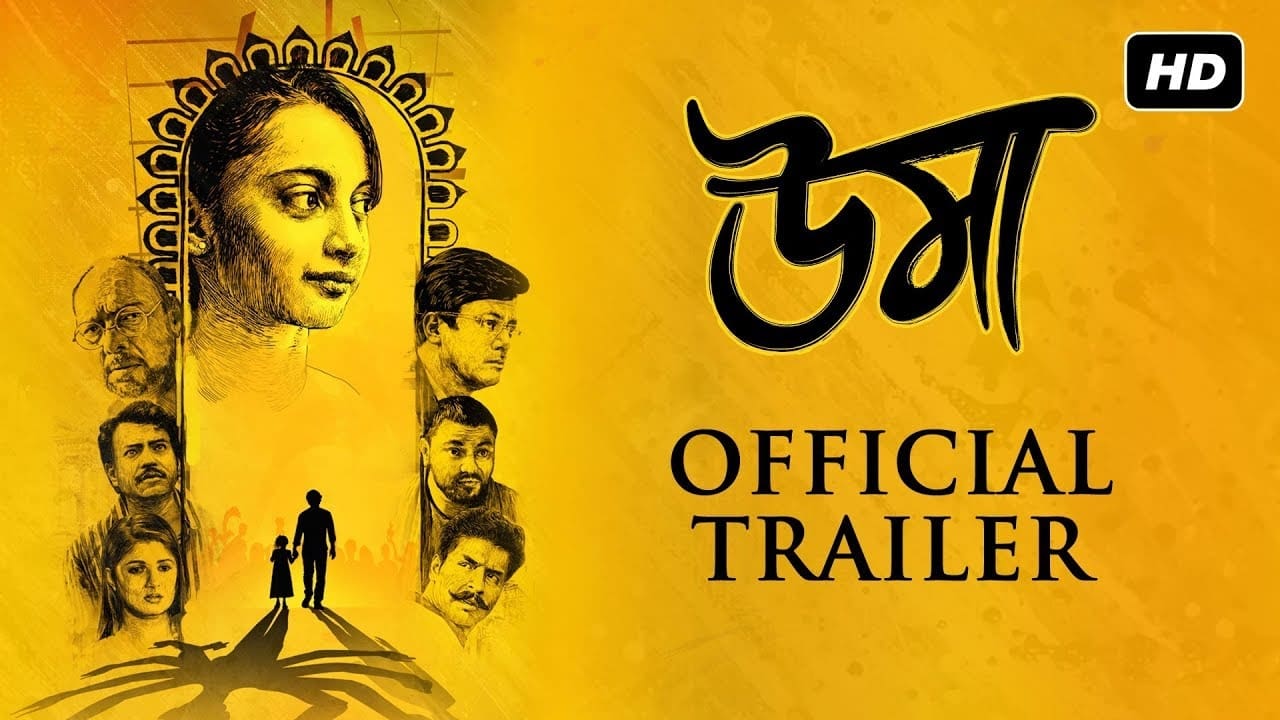



Original title উমা
IMDb Rating 7.4 10 votes
TMDb Rating 7.8 6 votes
Director

Director
Cast

Himadri

Brahmananda

Gobindo

Menoka

Mohitosh Sur
Similar Movies & TV Shows