




Download Video Link Below 📂🡻 1 Views
- Watch trailer
- Server 1vidapi.xyz

- SERVER US HD

Roid (2026) – Powerful Bengali Drama Movie with a Haunting Story
May. 28, 2026Bangladesh127 Min.1k
Synopsis
Roid (2026) – Bengali Drama Movie
Roid is a 2026 Bengali drama film from Bangladesh directed by filmmaker Mejbaur Rahman Sumon. The movie explores isolation, relationships, social judgment, emotional conflict, desire and the complicated bond between two people living far away from the surrounding community. The film stars Nazifa Tushi, Mostafizur Noor Imran, Ahsabul Yamin Riad, Gazi Rakayet and Tutul Fakir. IMDb lists the movie under the title Roid with the identification number tt39199158.
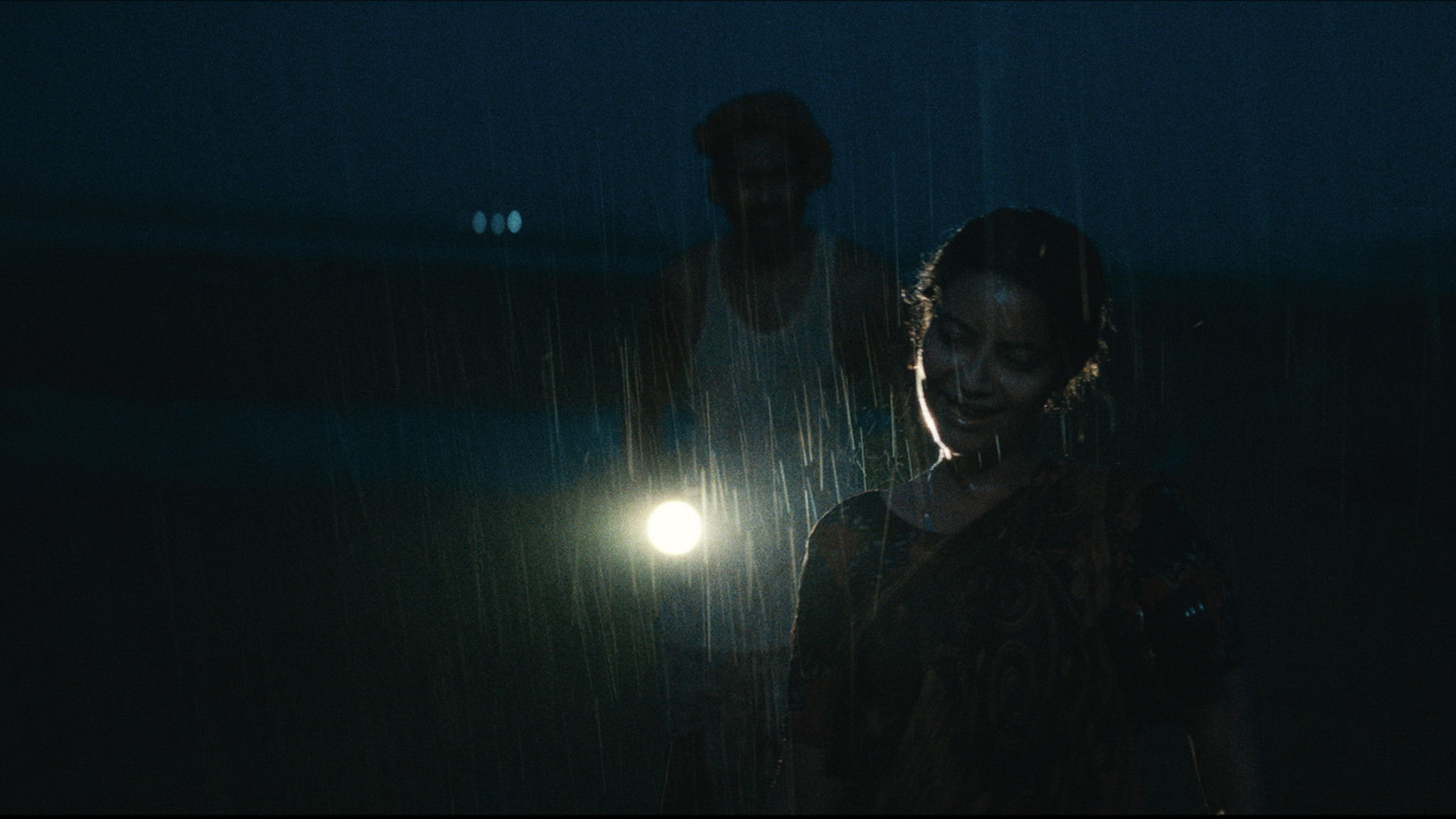
The story of Roid focuses on Sadhu, a man who lives with his wife in a remote location away from the village. Their isolated existence creates a world of its own, where ordinary social rules and expectations become distant. Sadhu’s wife is treated by the people around them as someone who is mentally unstable, and this social perception becomes an important part of the film’s dramatic conflict. As their relationship develops, the peaceful life Sadhu hopes to create begins to break apart.
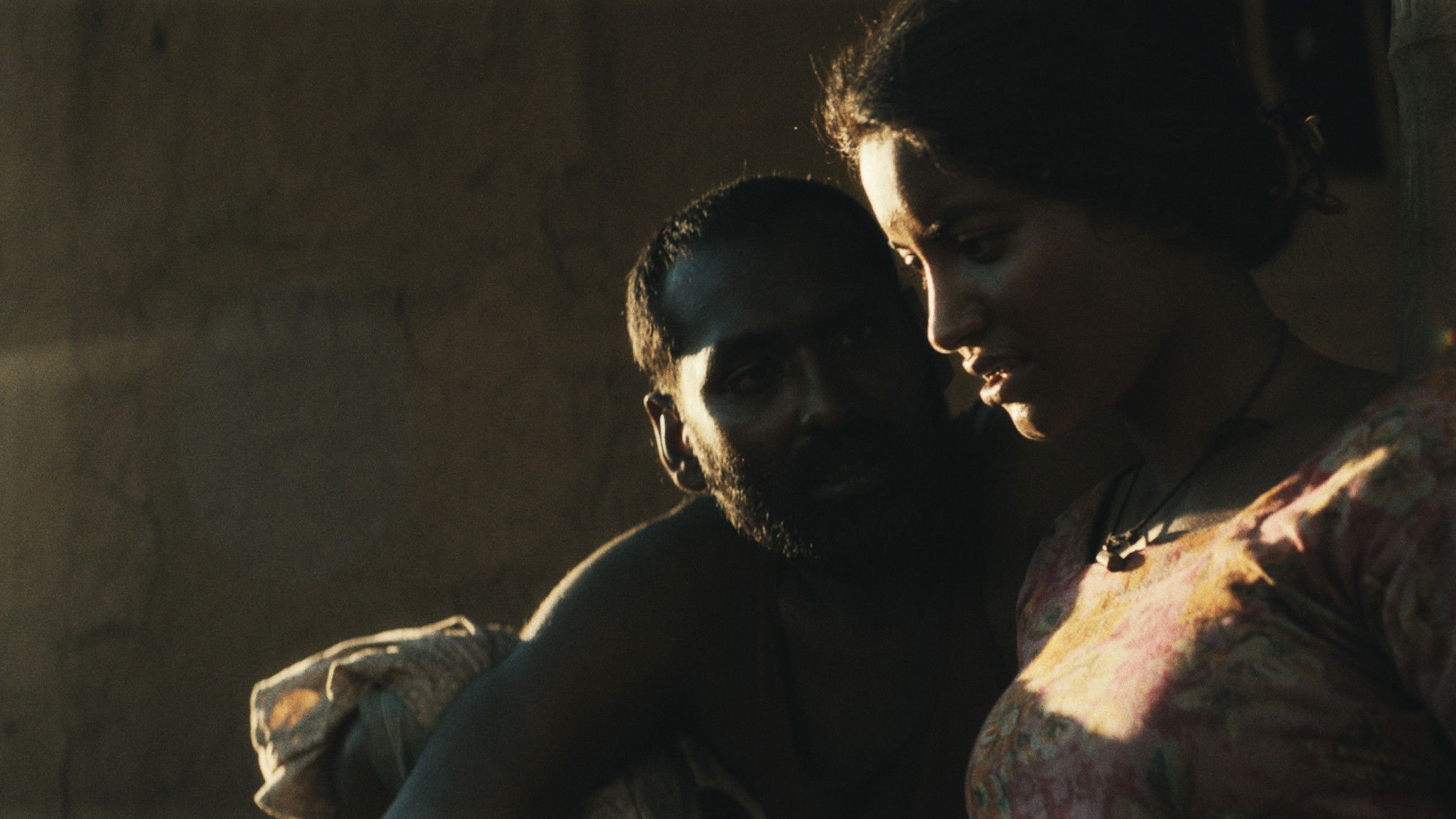
At the center of Roid is the relationship between Sadhu and his wife. Their marriage is not presented as a simple romantic relationship. Instead, the film examines attachment, frustration, loneliness and the difficult emotions that can develop when two people are trapped in an isolated environment. The couple’s relationship gradually becomes increasingly complicated, creating a tense atmosphere throughout the story.
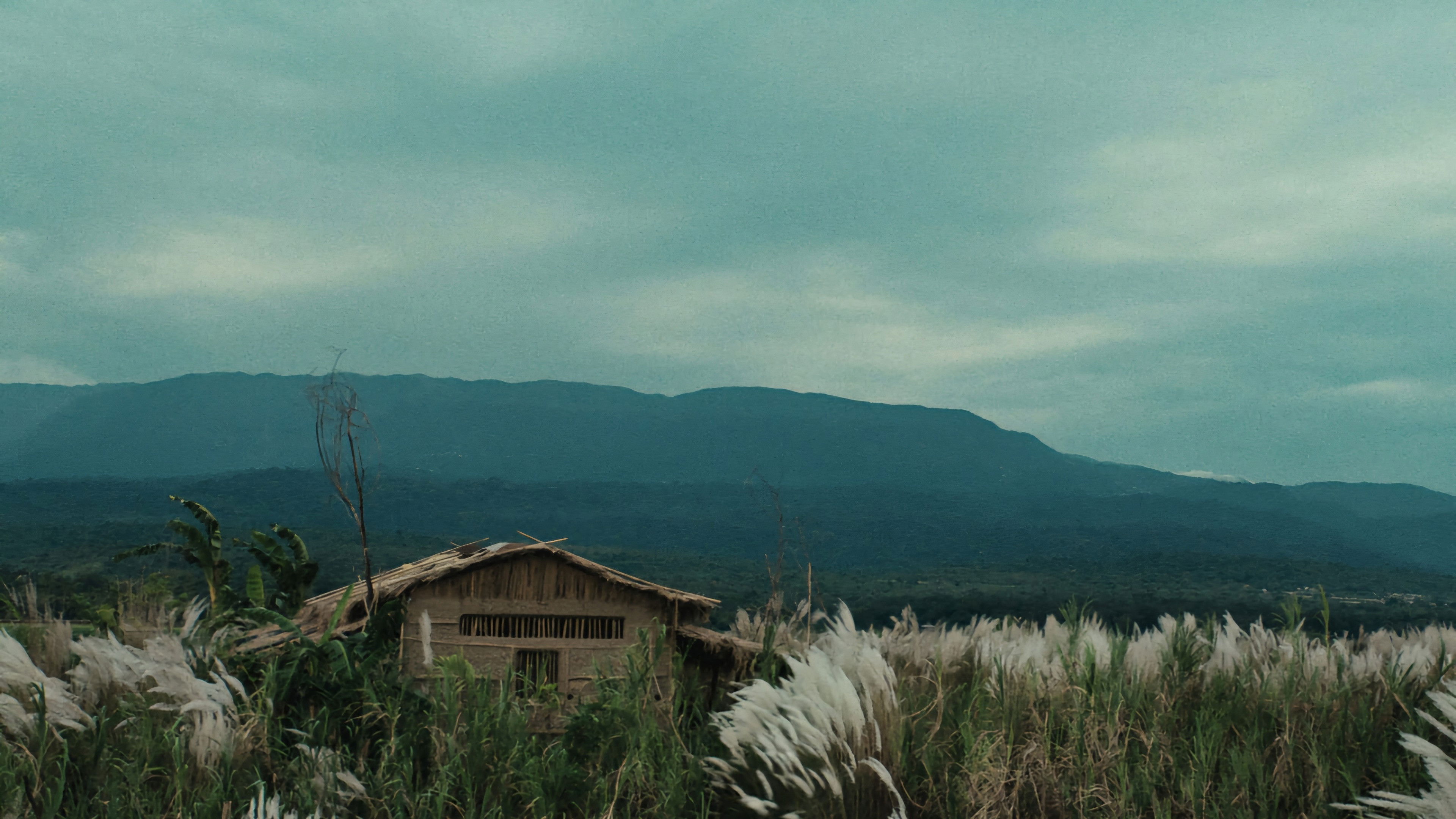
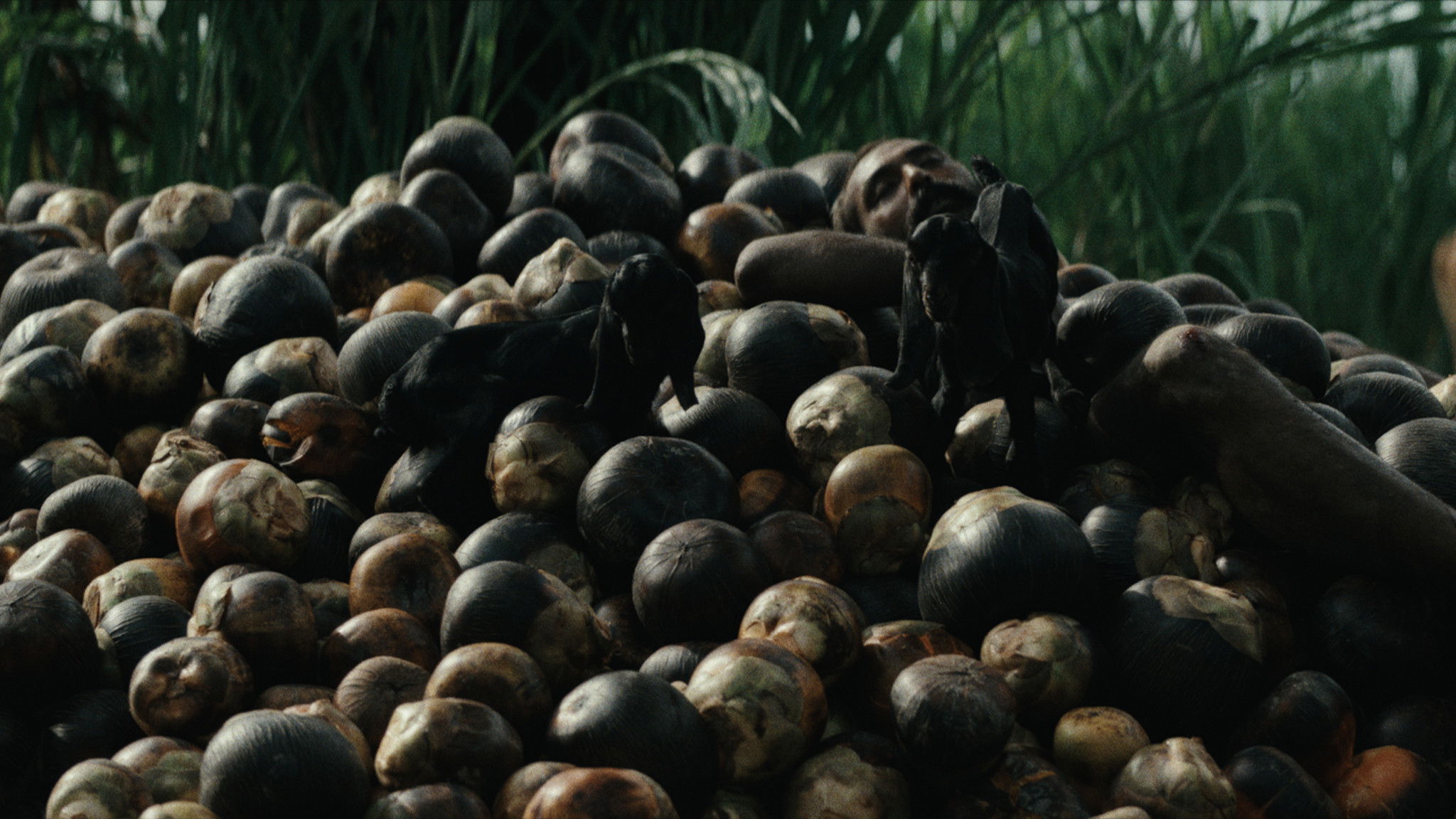
The rural setting is another important element of Roid. Rather than functioning simply as a background, the natural environment becomes closely connected with the characters and the narrative. A palmyra palm and its falling fruit become recurring elements in the story, creating a mysterious cycle of separation and return. International Film Festival Rotterdam describes the film as a story in which a husband repeatedly attempts to leave his volatile wife, but she repeatedly returns.
The unusual structure gives Roid a distinctive dramatic identity. The story moves through repetition, emotional tension and symbolic imagery rather than relying only on conventional plot development. The recurring return of the wife creates a feeling that the characters are caught inside a cycle that they cannot easily escape.
Another important theme of Roid is the effect of social labeling. The wife is judged by people in her community, and the assumptions made about her become part of the conflict. The film raises questions about how society treats people who behave differently from accepted social expectations. Rather than presenting the situation as a straightforward conflict between good and bad characters, the narrative creates a more complicated picture of human relationships.
Mejbaur Rahman Sumon serves as director and is also credited in the screenplay and story-related roles. He previously directed the acclaimed Bangladeshi film Hawa. Roid represents another feature project from the filmmaker, with a strong emphasis on atmosphere, rural life and psychological tension.
Nazifa Tushi plays Sadhur Bou, while Mostafizur Noor Imran portrays Sadhu. Ahsabul Yamin Riad plays Panna, with Gazi Rakayet and Tutul Fakir also appearing in the cast. IMDb’s current cast and crew information confirms these principal roles.
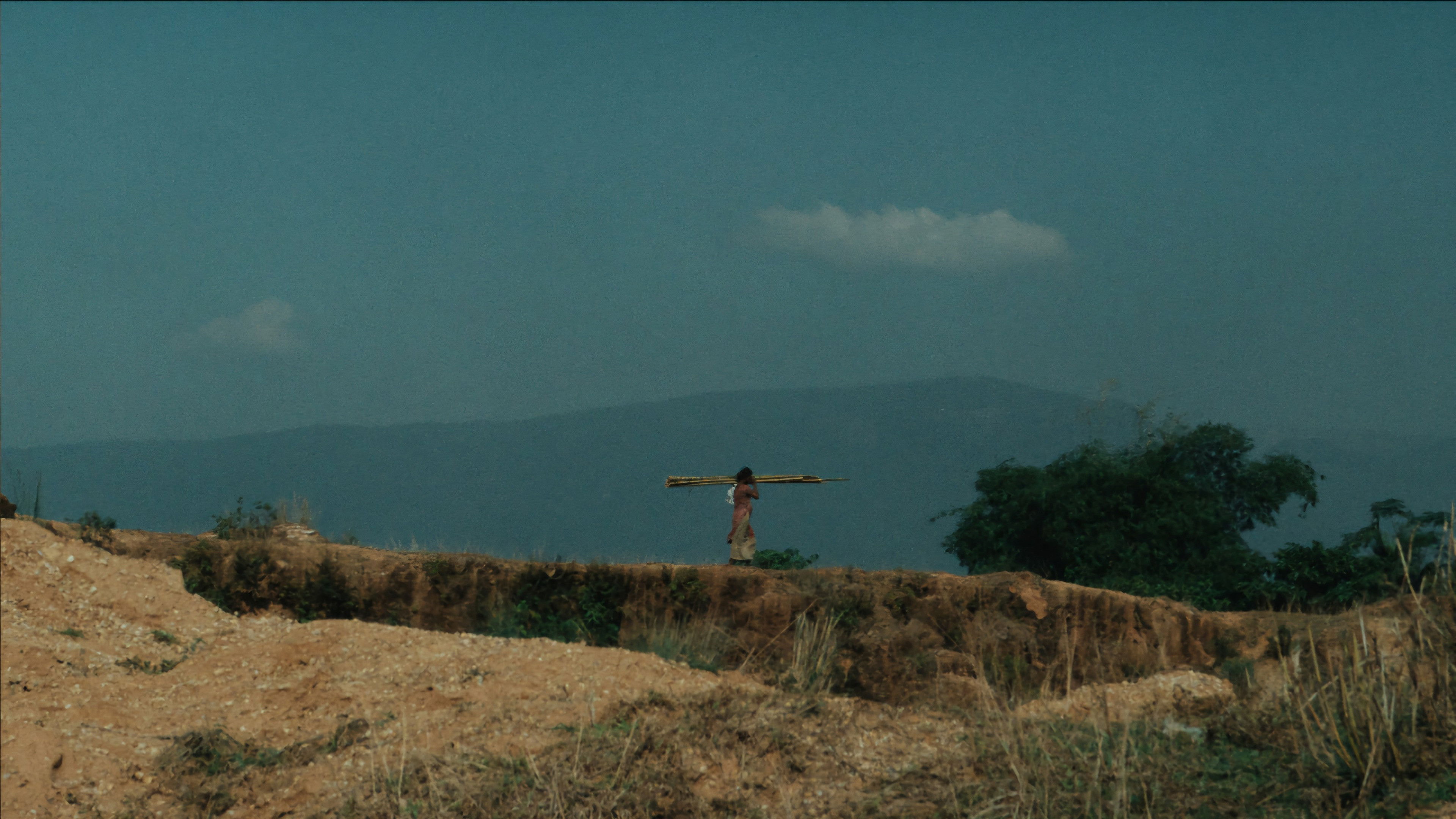
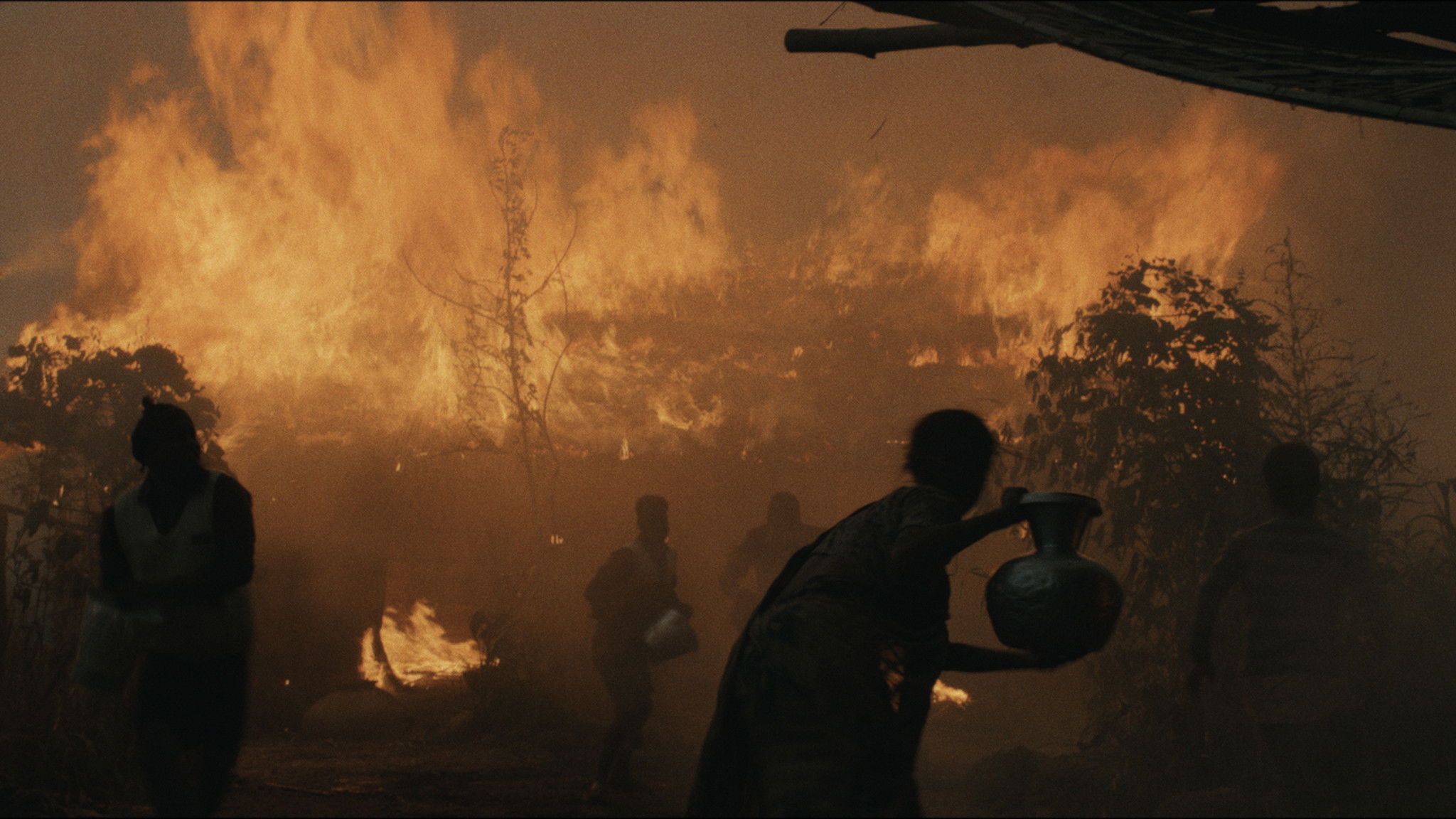
The visual identity of Roid is closely connected to the rural landscape. The film’s imagery uses natural surroundings and isolated locations to reinforce the emotional condition of the characters. The contrast between the peaceful countryside and the increasingly difficult relationship creates much of the movie’s atmosphere.
The film was also presented internationally. Roid had its world premiere in the Tiger Competition at the International Film Festival Rotterdam 2026. IFFR lists the film as a 109-minute Bengali production from Bangladesh directed by Mejbaur Rahman Sumon.
The film has also appeared in international festival programming beyond Rotterdam. The International Film Festival of Melbourne lists Roid as a Bengali drama from Bangladesh and describes the relationship between Sadhu, his wife and the palm tree as an important part of its mysterious narrative.
For viewers interested in Bangladeshi cinema, Roid offers a story that combines rural drama with mystery and psychological elements. The movie does not depend entirely on conventional action or fast-paced entertainment. Instead, it builds its narrative through character relationships, atmosphere and recurring events.
One of the interesting aspects of Roid is the way the film connects human relationships with nature. The palm tree and its fruit become symbolic parts of the story. Every return changes the meaning of the relationship between Sadhu and his wife, while the surrounding landscape reinforces the feeling that their lives are caught in an unusual cycle.
The title Roid may attract viewers looking for contemporary Bangladeshi films with a distinctive storytelling style. The movie’s Bengali language, rural setting and dramatic subject matter make it particularly relevant to audiences interested in modern Bangladeshi cinema.
The story also explores the difference between physical separation and emotional separation. Sadhu may attempt to escape his difficult circumstances, but the repeated return of his wife suggests that leaving a relationship is not always as simple as physically moving away. This recurring structure gives the film a mysterious quality and encourages viewers to consider the deeper meaning behind the characters’ actions.
Roid also reflects the tension between personal desire and social expectations. The characters live in a world shaped by traditional structures, marriage and community judgment. Their personal struggles develop inside that environment, making the film both a relationship drama and a portrait of rural social life.
For audiences searching for Roid 2026, Roid Bengali movie, Roid Bangla movie, Roid full movie, or Roid Bangladesh movie, this film stands out as a contemporary Bengali drama directed by Mejbaur Rahman Sumon. Its international festival presence also places it within the growing international interest in Bangladeshi cinema.
The performances are central to the movie’s emotional impact. Mostafizur Noor Imran’s Sadhu is positioned at the center of the story, while Nazifa Tushi’s character creates much of the film’s mystery and emotional tension. Their relationship forms the foundation of the narrative, with the supporting cast contributing to the wider world of the story.
The film’s production involves Bongo and Facecard, with Mejbaur Rahman Sumon among the producers. The creative team includes cinematographer Xoaher Musavvir and editor Sazal Alok, while music contributions come from Sajib Ranjan Biswas and Rasheed Sharif Shoaib.
Overall, Roid is a Bengali drama centered on an isolated couple, complicated emotions and a strange recurring cycle of departure and return. Its rural setting, symbolic imagery and unusual relationship dynamics distinguish it from conventional mainstream storytelling. The combination of drama, mystery and psychological tension makes it a notable 2026 Bangladeshi film for viewers exploring contemporary Bengali cinema.
If you are interested in Bangladeshi movies, Bengali dramas and festival films, Roid is a title worth adding to your movie database. The film brings together a strong local cast, an experienced director and an unconventional rural narrative. Its participation in international festivals further highlights its place within the contemporary Bangladeshi film landscape.
For movie fans searching for information about Roid, the key details are simple: it is a 2026 Bengali-language drama from Bangladesh, directed by Mejbaur Rahman Sumon and featuring Nazifa Tushi, Mostafizur Noor Imran and Ahsabul Yamin Riad. The story follows a husband and wife living in rural isolation and examines the complicated cycle that develops between them.
With its atmospheric rural setting, emotional relationship drama, mysterious elements and distinctive storytelling approach, Roid provides a different kind of Bengali cinematic experience. The film combines human conflict with symbolic natural imagery and creates a narrative centered on attachment, separation, social perception and the difficulty of escaping an established cycle.
Original title রইদ
IMDb Rating 7.6 10 votes
TMDb Rating 7 1 votes
Director

Director
Cast

Sadu's Wife

Panna

Mian
Download
Similar Movies & TV Shows