Download Link Below 📂🡻 1 Views
- Watch trailer
- Server 1vidcore.io

- SERVER US HD


Synopsis
Coyote vs. Acme (2026) – Movie Overview
Coyote vs. Acme is an animated comedy adventure that brings one of the most recognizable characters from the Looney Tunes universe into an unexpected courtroom battle. Instead of continuing to accept every failed trap, exploding gadget, and disastrous invention, Wile E. Coyote decides to fight back against the company responsible for supplying his famously unreliable equipment: ACME Corporation. Combining cartoon humor, legal comedy, adventure, and a story about standing up to a powerful business, this movie offers a fresh twist on a classic animated rivalry.
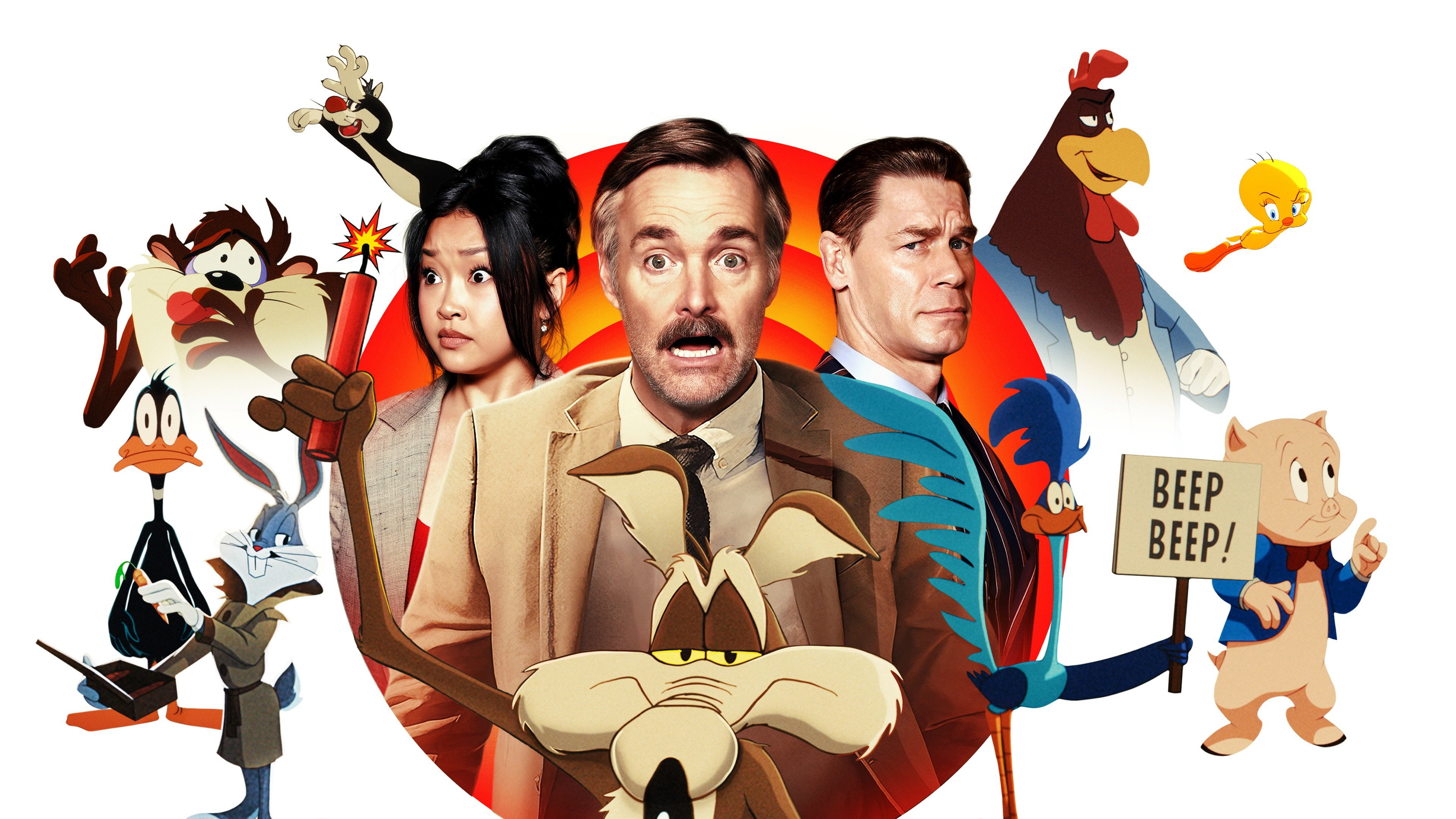
Directed by Dave Green, the film stars Will Forte as Kevin Avery, Lana Condor as Paige Avery, and John Cena as Buddy Crane. The story centers on a legal fight that turns the Coyote’s long history of spectacular failures into a serious challenge for a powerful corporation. The result is a comedy adventure built around a simple question: what happens when a cartoon character finally decides that enough is enough?
Coyote vs. Acme (2026) Plot and Storyline
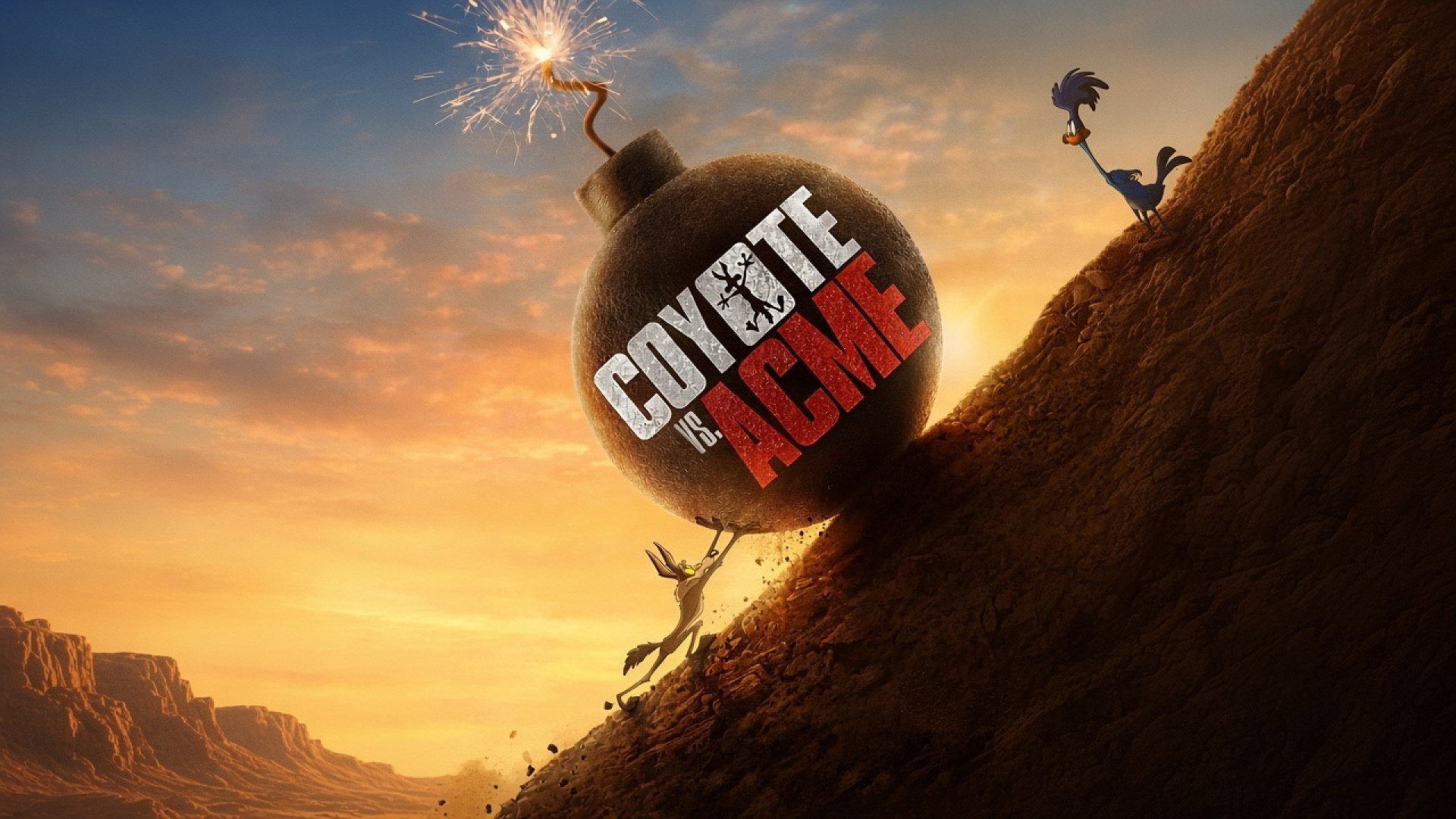
For years, Wile E. Coyote has relied on ACME products in his relentless attempts to catch the Road Runner. Rockets, explosives, spring-loaded traps, magnets, and countless other inventions promise to give him an advantage. Unfortunately, the devices repeatedly fail in spectacular and often painful ways. After enduring these repeated disasters, the Coyote decides that the problem cannot simply be blamed on bad luck.
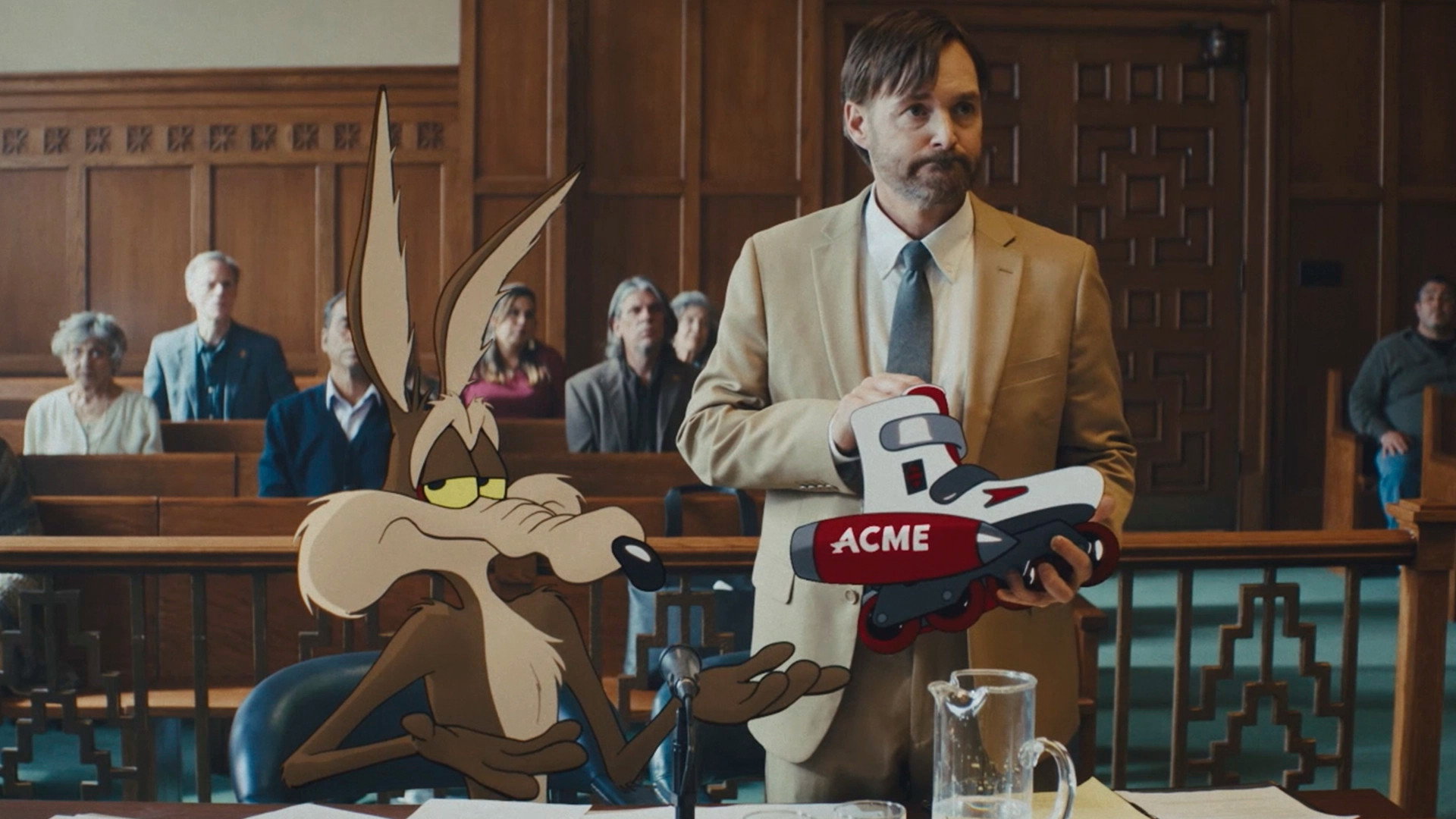
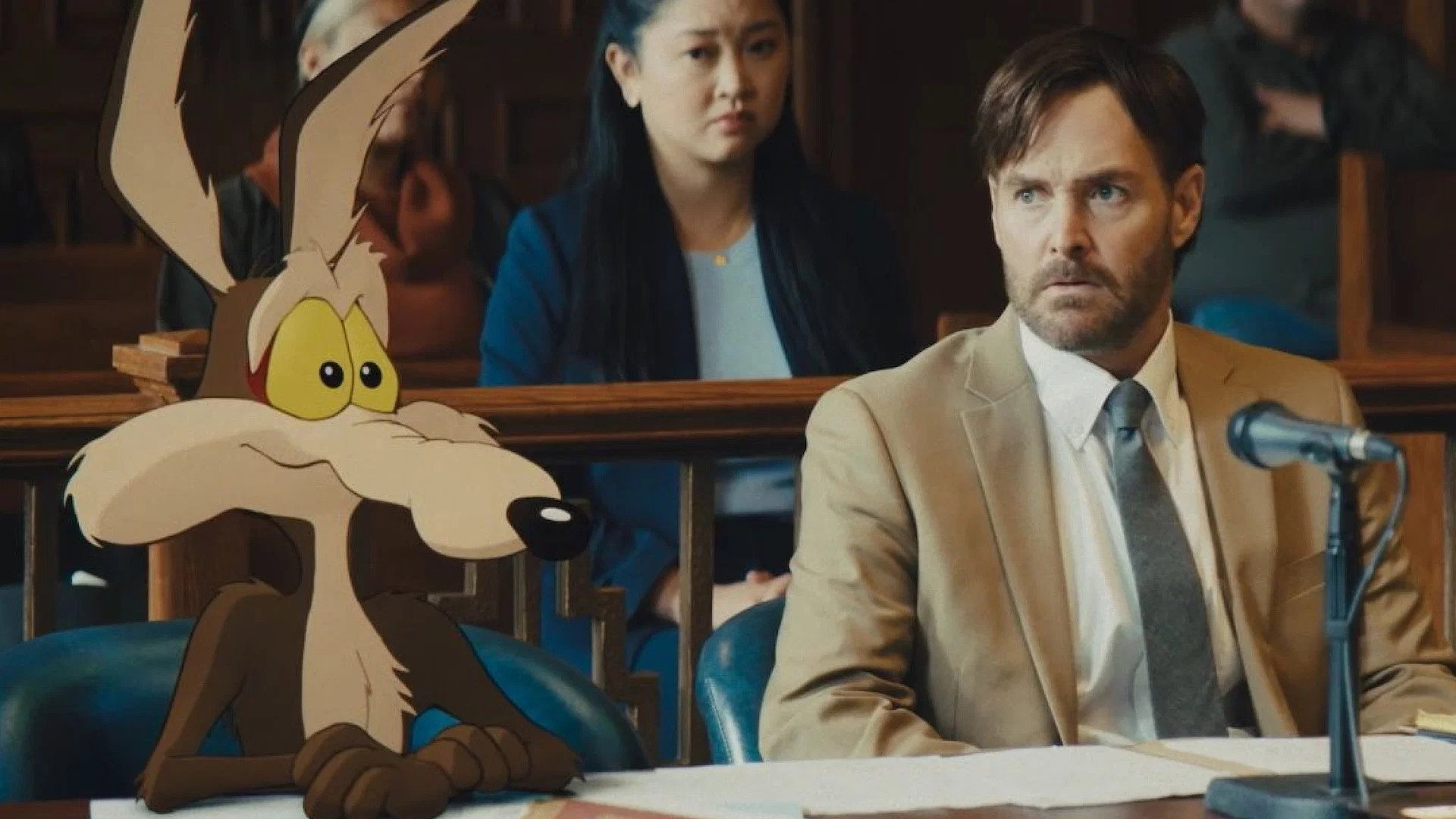
In Coyote vs. Acme, the determined coyote takes his complaints beyond the desert and into the legal system. He teams up with Kevin Avery, a lawyer who becomes involved in the challenge against ACME. Their case puts the corporation’s products and business practices under scrutiny, transforming decades of cartoon mishaps into the foundation of a legal dispute.
The opposing side is represented by Buddy Crane, a corporate lawyer prepared to defend ACME. As the conflict develops, the case becomes more than a disagreement over defective gadgets. It becomes a battle between an underestimated individual and a corporation with substantial resources. The film uses this unusual legal conflict to create comic situations while exploring ideas about accountability, fairness, and corporate responsibility.
Main Cast and Characters
Will Forte as Kevin Avery
Will Forte plays Kevin Avery, the attorney who helps Wile E. Coyote pursue legal action against ACME. His character brings a human perspective to the Coyote’s extraordinary situation. The challenge is not only to present a convincing case but also to make the world take a cartoon character’s complaints seriously.
Lana Condor as Paige Avery
Lana Condor stars as Paige Avery. Her character forms part of the human side of the story, helping connect the legal proceedings with the personal relationships and events surrounding the case.
John Cena as Buddy Crane
John Cena plays Buddy Crane, the lawyer defending ACME. His role creates a strong contrast with Kevin Avery, setting up a contest of arguments and strategies as the legal battle progresses.
Wile E. Coyote and the Looney Tunes Characters
Wile E. Coyote remains the central attraction. His determination, elaborate schemes, and familiar history of failed inventions provide the foundation for the comedy. The Looney Tunes world also gives the film opportunities to blend recognizable cartoon personalities with a more structured story about justice and corporate accountability.
Direction, Animation, and Visual Style
Director Dave Green brings together live-action filmmaking and animated characters in a story that moves between cartoon absurdity and a recognizable legal environment. This combination allows the film to preserve the exaggerated physical comedy associated with Looney Tunes while building a narrative that has a beginning, a conflict, and a courtroom-style confrontation.
The animation is especially important because Wile E. Coyote’s identity depends on expressive reactions, inventive traps, and exaggerated physical consequences. His gadgets are not simply props; they are central to the character’s comic personality. Every failed invention can become another piece of evidence in his campaign against ACME.
The live-action characters add a different energy. Lawyers, corporate representatives, and other human characters respond to the Coyote’s situation within a world that follows more familiar social and legal rules. The contrast between these two styles creates opportunities for visual jokes and unexpected reactions.
Comedy, Adventure, and Legal Satire
One of the defining features of Coyote vs. Acme is its unusual combination of genres. It is an animated adventure, a buddy comedy, and a legal story, with satire woven into the central conflict.
The comedy grows naturally from the premise. ACME has supplied the devices that repeatedly undermine the Coyote’s plans, so the company’s products become central to his argument. A history of cartoon accidents is reframed as a dispute over responsibility. The idea is funny because it treats a familiar animated gag as if it were a serious legal matter.
The legal setting also provides room for satire. A large corporation can defend its products, challenge claims, and attempt to protect its reputation. Against this backdrop, a lone coyote must find a way to make his case heard. The contrast creates humor while offering a story about the difficulties ordinary individuals may face when challenging powerful organizations.
Why Coyote vs. Acme Is Different
Many animated films build their stories around a hero trying to defeat a villain. This film takes a different approach by turning a long-running cartoon rivalry into a legal dispute. Instead of relying only on another chase, Wile E. Coyote tries to establish that the repeated failures are not simply his own fault.
The premise also draws on decades of audience familiarity. Viewers already understand the Coyote’s obsession with catching the Road Runner and the tendency of ACME inventions to go wrong. The movie uses that background as a starting point for a new kind of story, allowing familiar jokes to take on a different meaning.
Another distinctive element is the combination of animated chaos and courtroom proceedings. The desert’s explosions and elaborate contraptions contrast with legal arguments, professional tactics, and corporate defense strategies. That contrast gives the film a recognizable identity within the family comedy genre.
Themes of Justice and Accountability
Beyond its slapstick humor, Coyote vs. Acme explores the idea of holding a powerful company responsible for the consequences of its products. Wile E. Coyote may be a cartoon character, but his complaint creates a humorous version of a familiar real-world question: who should be accountable when a product repeatedly fails?
The story also emphasizes persistence. The Coyote has spent years facing one failure after another, yet he continues looking for a solution. Taking legal action represents a change in strategy. Instead of relying on another gadget, he tries to challenge the system behind the gadgets.
The conflict between the Coyote’s claim and ACME’s corporate defense creates an accessible way to introduce ideas about fairness, responsibility, and standing up for oneself. These themes sit alongside the film’s comedy rather than replacing it.
Who Should Watch Coyote vs. Acme?
Fans of Looney Tunes may enjoy seeing Wile E. Coyote placed in a situation that expands on his familiar rivalry with the Road Runner. Viewers who appreciate animated comedy can look forward to a story built around expressive characters, inventive situations, and exaggerated humor.
Families may also find the movie appealing because its central conflict can be understood on several levels. Younger viewers can enjoy the cartoon antics, while older audiences may appreciate the courtroom premise and corporate satire. Fans of buddy comedies and lighthearted legal stories may find the mix of genres particularly interesting.
The movie’s PG rating and animated adventure format make it worth considering for a family movie night, while parents should still check the film’s rating guidance and content details to decide whether it suits their children.
Final Verdict
Coyote vs. Acme transforms Wile E. Coyote’s legendary run of failed schemes into a new kind of animated comedy adventure. By taking the character from the desert into a legal battle against ACME, the film builds its story around a clever premise that combines cartoon nostalgia, courtroom humor, and corporate satire.
With Dave Green directing and Will Forte, Lana Condor, and John Cena among the featured cast, the movie offers a distinctive take on the Looney Tunes universe. Its appeal comes from the contrast between the Coyote’s familiar comic misfortune and his new determination to demand accountability.
For fans of animation, family comedy, and classic cartoon characters, Coyote vs. Acme offers a fresh perspective on a familiar rivalry. Rather than simply repeating the chase between the Coyote and the Road Runner, it asks what might happen if the Coyote finally decided to challenge the company behind his most disastrous inventions.





Original title Coyote vs. Acme
TMDb Rating 7.496 739 votes
Director

Director
Cast

Kevin Avery

Paige Avery

Buddy Crane

Sal Maltese

Dottie Jones

Judge Troppogrosso

Bill Pellicanos

Henry Heslop

Cherry

Oscar Jeon
Similar Movies & TV Shows