
Download Link Below 📂🡻 3 Views
- Watch trailer
- Server 1vidcore.io

- SERVER US HD
Synopsis
Dark Waters (2019): Movie Overview
Dark Waters (2019) is a gripping legal drama directed by Todd Haynes and starring Mark Ruffalo, Anne Hathaway, and Tim Robbins. Inspired by the real-life legal battle involving attorney Robert Bilott and the chemical company DuPont, the film explores corporate accountability, environmental contamination, public health concerns, and the determination required to challenge powerful institutions. Rather than relying on conventional action sequences, the story builds suspense through investigations, legal disputes, scientific evidence, and the personal sacrifices involved in pursuing justice.
Dark Waters film takes viewers into a world where an apparently routine legal matter gradually develops into a major environmental controversy. What begins as a request for help from a rural farmer leads an attorney to investigate disturbing questions about industrial chemicals and their potential consequences. As the evidence grows, the case becomes increasingly difficult to ignore, placing professional relationships, family life, and personal convictions under pressure.
Storyline and Main Plot
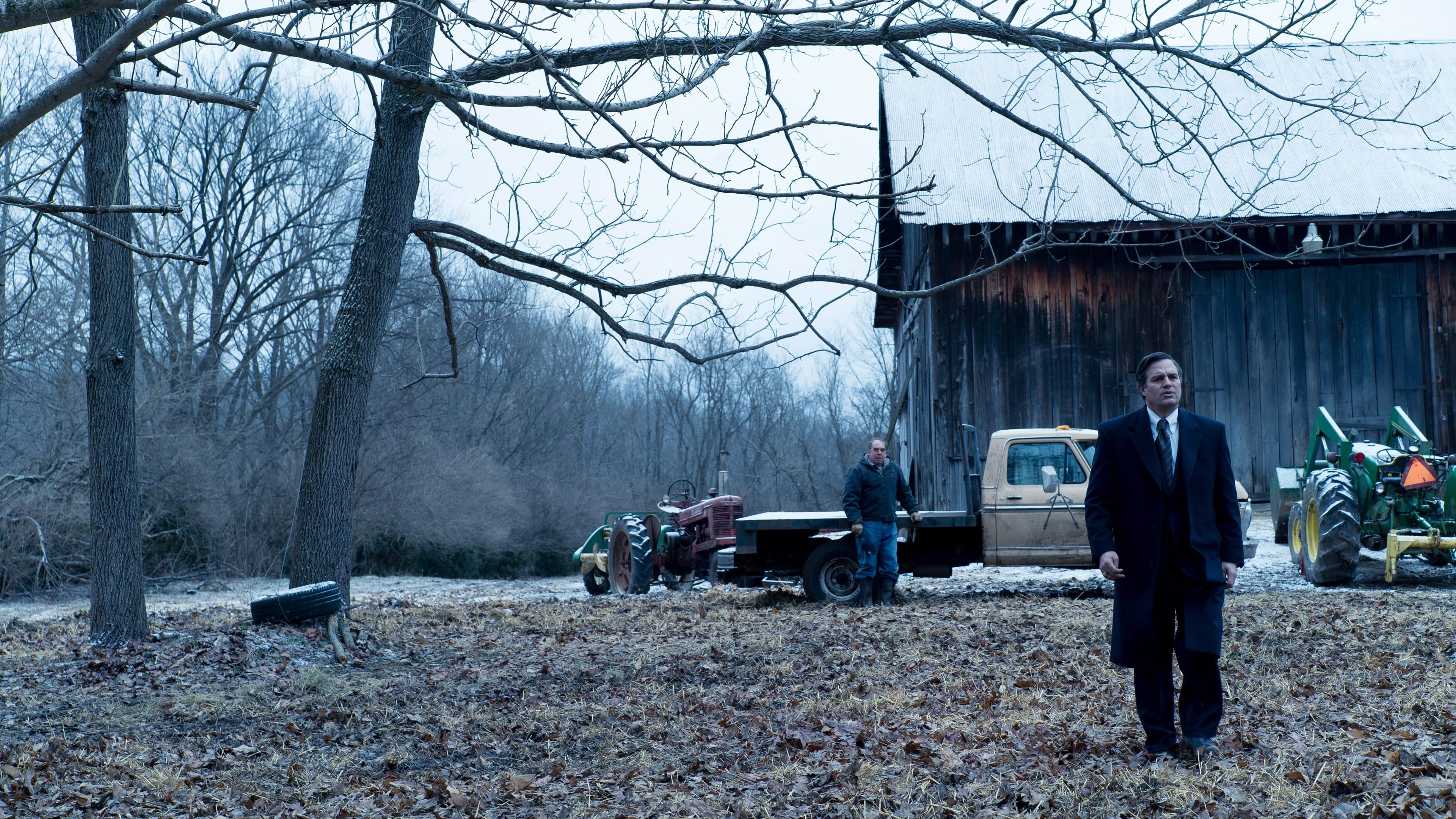
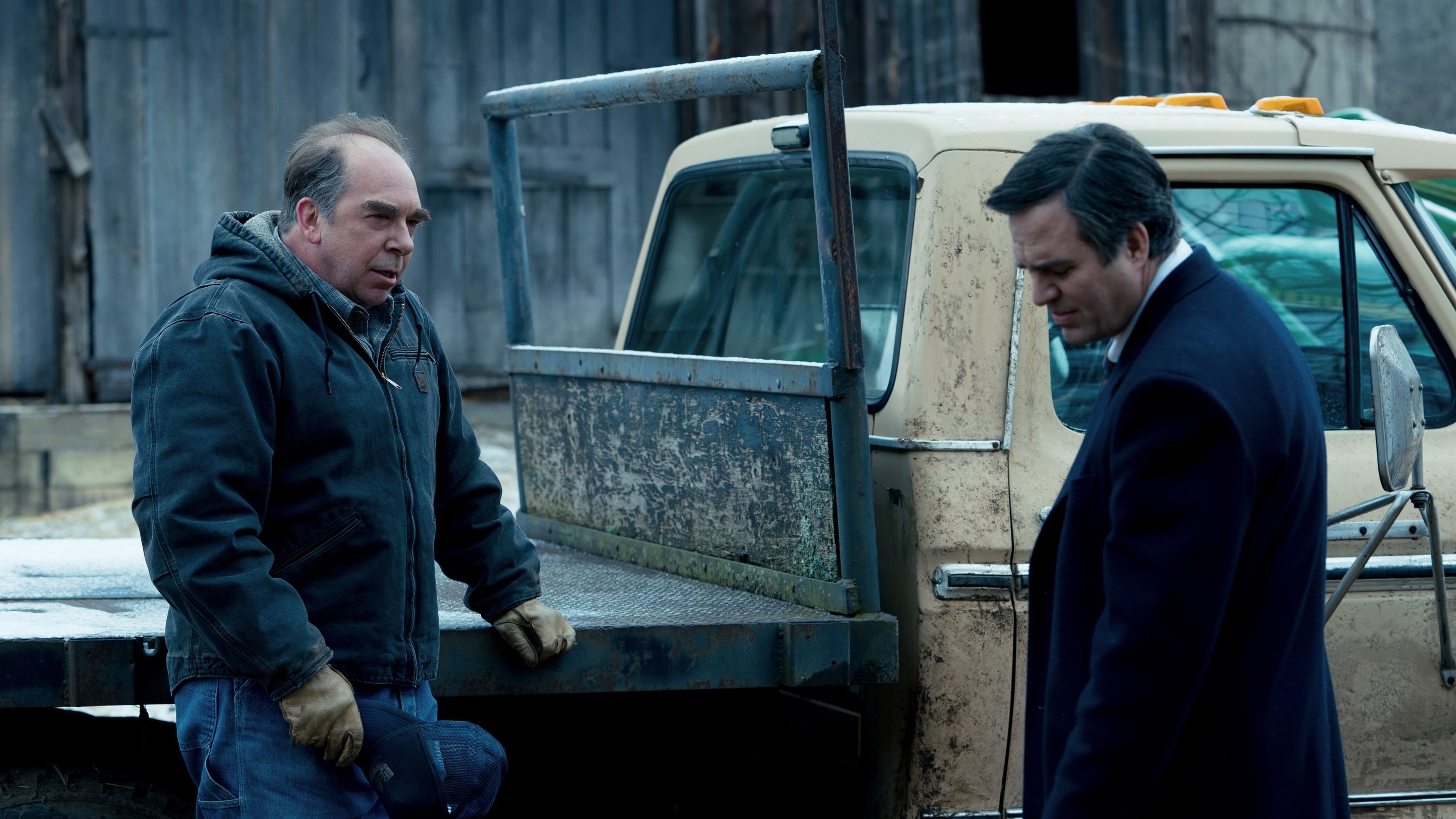
Dark Waters story follows Robert Bilott, a corporate defense attorney who works at a prestigious law firm. His professional experience has largely involved representing companies, and his career has developed within a legal environment where business interests and established relationships carry considerable weight. His perspective begins to change when Wilbur Tennant, a farmer from West Virginia, approaches him with concerns about unexplained problems affecting his property and livestock.
Tennant believes that pollution associated with nearby industrial activity is connected to the problems on his farm. He wants someone to investigate, but the situation is complicated by the resources and influence of the corporation involved. Bilott initially has reasons to be cautious. Taking on such a case could threaten his reputation, strain professional relationships, and consume years of work.
Nevertheless, the farmer’s concerns prompt the attorney to examine documents and information that raise further questions. As he investigates, he encounters records that suggest a much larger problem than an isolated dispute over land or livestock. His attention turns toward the chemical perfluorooctanoic acid, commonly known as PFOA or C8, and the questions surrounding its use, environmental presence, and possible health effects.
The investigation becomes a prolonged legal struggle. Gathering evidence requires patience, careful analysis, and the willingness to challenge a well-resourced opponent. The film shows how difficult it can be to establish accountability when technical information is complicated and the consequences of alleged wrongdoing extend across communities.
Robert Bilott and the Pursuit of Justice
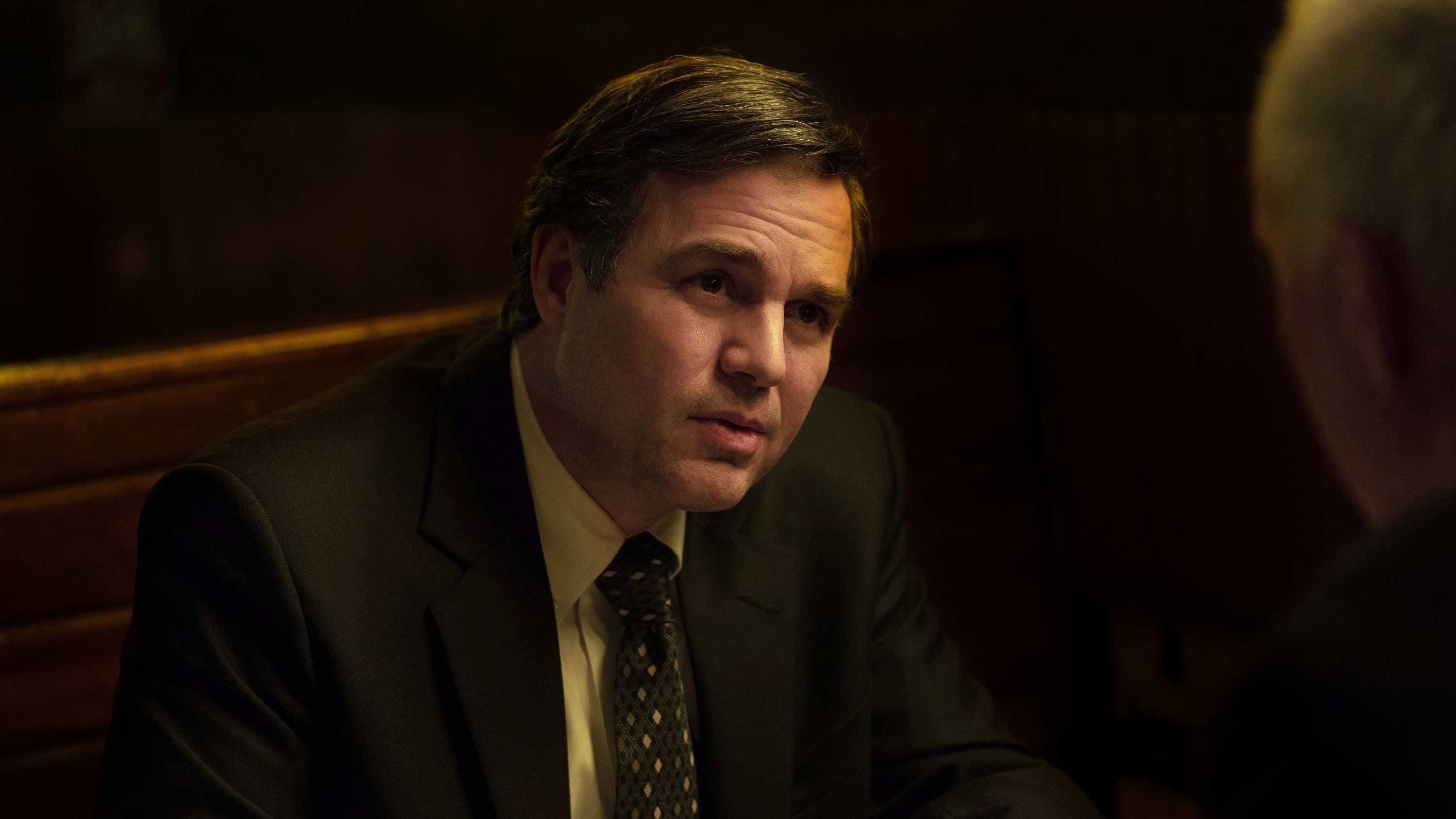
Mark Ruffalo portrays Robert Bilott as a thoughtful and determined attorney whose professional identity changes through the course of the case. Bilott is not presented as an action hero. His most important tools are legal knowledge, persistence, research, and a willingness to continue asking questions when the answers become uncomfortable.
His transformation is central to the film’s emotional impact. Initially, he operates within a conventional corporate legal environment. As he learns more about the allegations, however, he faces a conflict between the expectations of his profession and his growing concern about the people potentially affected by pollution.
The work demands more than a single courtroom appearance. Bilott must examine records, interpret technical material, communicate with affected residents, and navigate lengthy legal proceedings. The process tests his patience and exposes the limitations of a system in which one side may possess substantially greater financial and institutional resources.
Ruffalo’s restrained performance gives the character credibility. Rather than exaggerating every confrontation, he communicates frustration and determination through quiet reactions and persistent effort. This approach helps the audience understand why a complicated legal investigation can become an exhausting personal mission.
The Farmer Who Started the Investigation
Wilbur Tennant plays a crucial role in the events that inspire the film’s central case. As a farmer concerned about what is happening on his land, he represents the perspective of a community member who believes that a serious environmental problem is being overlooked.
His concerns initially appear distant from the world of corporate law. Yet his determination to seek answers brings the issue to someone with the skills needed to examine it through formal legal channels. The relationship between Tennant and Bilott helps connect technical evidence to the everyday experiences of people living near industrial operations.
Dark Waters film also highlights the challenges faced by individuals who raise concerns against powerful organizations. Evidence may be difficult to obtain, scientific questions can take years to resolve, and people who speak out may feel isolated. Tennant’s role gives the story a human starting point and explains why the investigation matters beyond the legal profession.
DuPont, PFOA, and Environmental Contamination
One of the central issues in the film is PFOA, a manufactured chemical historically associated with the production of certain fluoropolymer materials. The chemical became the subject of significant environmental and health scrutiny, including questions about contamination and exposure.
Dark Waters film presents the legal investigation into DuPont’s handling of the substance and the information surrounding its potential risks. It illustrates how complex industrial cases may require lawyers to understand scientific studies, internal documents, environmental samples, and arguments about responsibility.
These questions are important because environmental contamination can affect people long after the original industrial activity has taken place. Establishing what happened, how exposure occurred, and what consequences may follow requires detailed evidence and careful interpretation.
Dark Waters story dramatizes the difficulty of translating scientific concerns into legal action. Technical information does not automatically produce a straightforward resolution, and the process of establishing responsibility can be slow. The film invites viewers to consider the relationship between corporate decision-making, transparency, public oversight, and the protection of communities.
The movie should be understood as a dramatization of real events rather than a substitute for scientific or legal documentation. Its narrative follows selected people and developments to communicate the broader stakes of the case.
Legal Battles and Corporate Accountability
The legal struggle forms the backbone of the story. Bilott faces a formidable opponent with substantial resources, experienced legal representation, and a long history in industrial manufacturing. His challenge is to develop a case strong enough to bring attention to the evidence and pursue accountability through the legal system.
Dark Waters film demonstrates that major environmental lawsuits rarely progress through one dramatic courtroom victory. Instead, they may involve years of document review, negotiations, scientific investigation, procedural disputes, and decisions about how evidence should be evaluated.
Dark Waters gradual process contributes to the movie’s suspense. Each discovery creates new questions, while every procedural step can bring fresh obstacles. The audience sees how the pursuit of justice can demand sustained effort even when the underlying concerns appear increasingly serious.
The story also examines the tension between individual responsibility and institutional power. A lawyer may believe that a case deserves attention, but turning that belief into meaningful action requires evidence, resources, persistence, and a willingness to endure professional and personal pressure.
Family Life and Personal Sacrifice
Although the investigation is the main focus, the story also explores how prolonged legal work affects family life. Anne Hathaway plays Sarah Barlage Bilott, Robert’s wife, whose relationship with him is affected by the demands of the case.
As the investigation continues, Bilott must balance professional responsibilities with his obligations at home. Long hours, stress, uncertainty, and the emotional weight of the evidence place pressure on his family. The consequences of the case extend beyond the office and into ordinary domestic life.
These scenes give the story a more personal dimension. The attorney’s determination has a purpose, but it also comes with costs. Family members must contend with the strain created by a commitment that may last for years without offering a guaranteed outcome.
Hathaway’s performance helps show the importance of support and the difficulty of maintaining normal routines during an extended crisis. The film suggests that pursuing a principle can require sacrifices not only from the person leading the effort but also from those closest to them.
Direction, Cinematography, and Atmosphere
Director Todd Haynes approaches the material with a restrained visual style that complements the film’s investigative focus. Instead of presenting the case as a conventional courtroom spectacle, he emphasizes documents, conversations, research, and the gradual accumulation of evidence.
Cinematographer Edward Lachman creates an understated visual atmosphere suited to the subject. Offices, industrial locations, rural landscapes, and family spaces contribute to a sense of realism. The contrast between corporate environments and affected communities reinforces the different worlds connected by the investigation.
The pacing is deliberate, allowing the audience to follow the development of a complex case. Although the subject involves technical and legal details, the film maintains a clear human perspective through Bilott’s growing commitment and the experiences of the people seeking answers.
The direction gives ordinary professional tasks dramatic significance. Reading documents, requesting information, and pursuing legal arguments become meaningful because each step may reveal something important about the larger dispute.
Performances and Supporting Cast
Alongside Ruffalo and Hathaway, Tim Robbins plays Tom Terp, a senior figure at the law firm who becomes connected to Bilott’s professional journey. The supporting cast helps establish the legal environment and the relationships that influence the investigation.
Bill Pullman, Bill Camp, Victor Garber, and other performers contribute to the broader network of lawyers, residents, and corporate representatives involved in the story. Their roles help portray a conflict that extends beyond a single individual or courtroom.
The ensemble approach reinforces the scale of the issue. Environmental litigation involves many people with different interests, responsibilities, and interpretations of the available evidence. The film uses these interactions to show how complicated it can be to achieve agreement or accountability when the stakes are high.
Why Dark Waters Is Worth Watching
Dark Waters stands out because it turns a complex environmental and legal controversy into an accessible human drama. It combines investigative storytelling with questions about ethics, science, corporate responsibility, and the role of law in protecting the public.
Viewers who enjoy serious courtroom dramas may appreciate the methodical investigation and the obstacles Bilott encounters. Those interested in real-world environmental issues may also find the film thought-provoking because it illustrates how contamination cases can involve scientific uncertainty, long timelines, and difficult decisions about responsibility.
The movie does not depend on constant action to create tension. Instead, suspense grows from the discovery of information, the consequences of pursuing it, and the possibility that important questions may remain unresolved for years.
Final Verdict
Dark Waters (2019) is a compelling legal and environmental drama led by a committed performance from Mark Ruffalo. Through Robert Bilott’s investigation, the film explores the difficult relationship between industrial power, scientific evidence, public health concerns, and the pursuit of justice.
Its measured direction, strong ensemble cast, and real-world inspiration make it a worthwhile choice for viewers who appreciate thoughtful dramas based on significant events. The story encourages audiences to consider the importance of transparency, persistence, and accountability when environmental concerns affect ordinary communities.
For fans of biographical dramas, legal thrillers, investigative films, and stories about individuals challenging powerful institutions, this movie offers a serious and engaging cinematic experience. It leaves viewers with questions about how society identifies environmental risks, responds to evidence, and ensures that the interests of affected people receive meaningful attention. Dark Waters

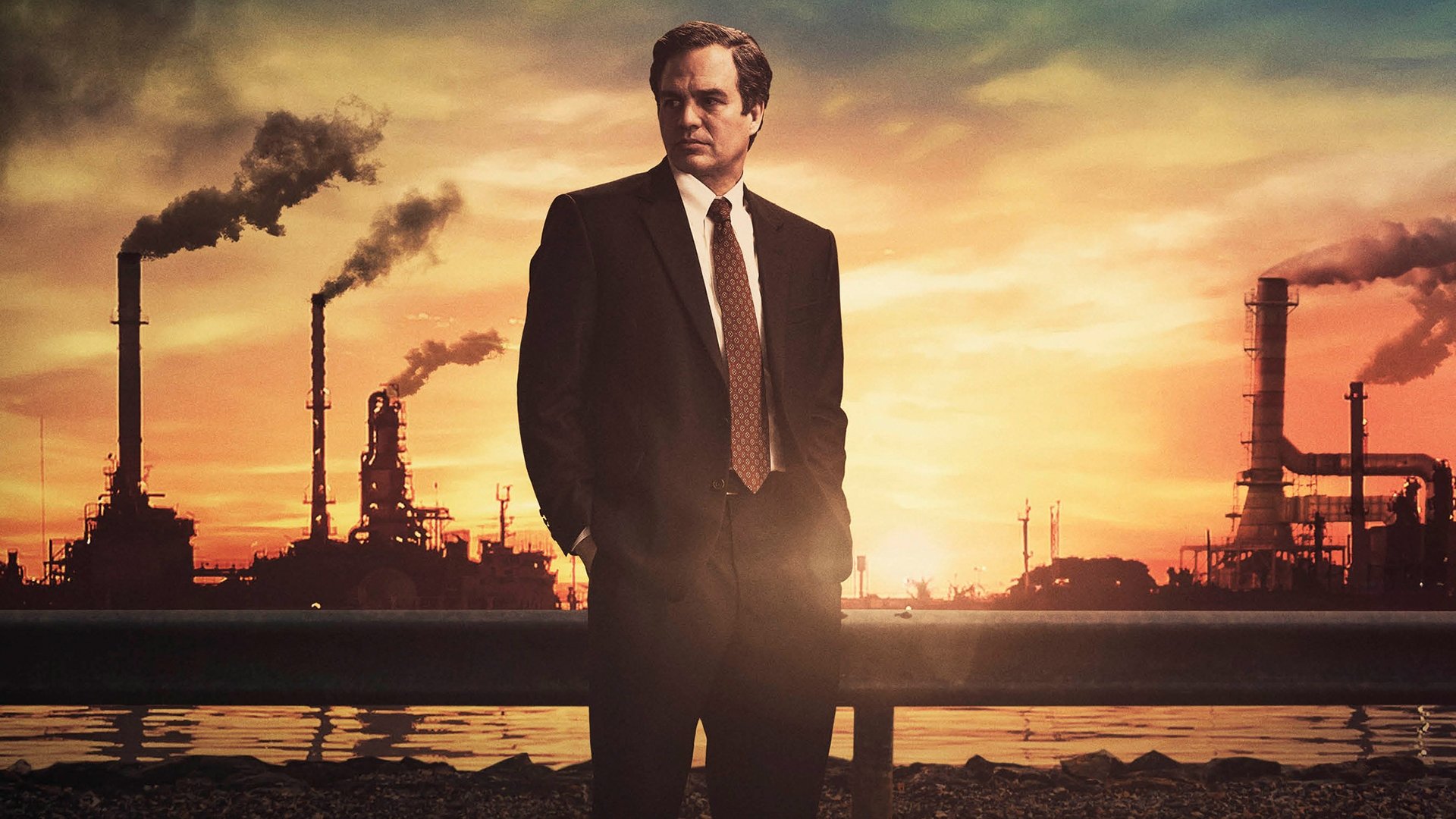
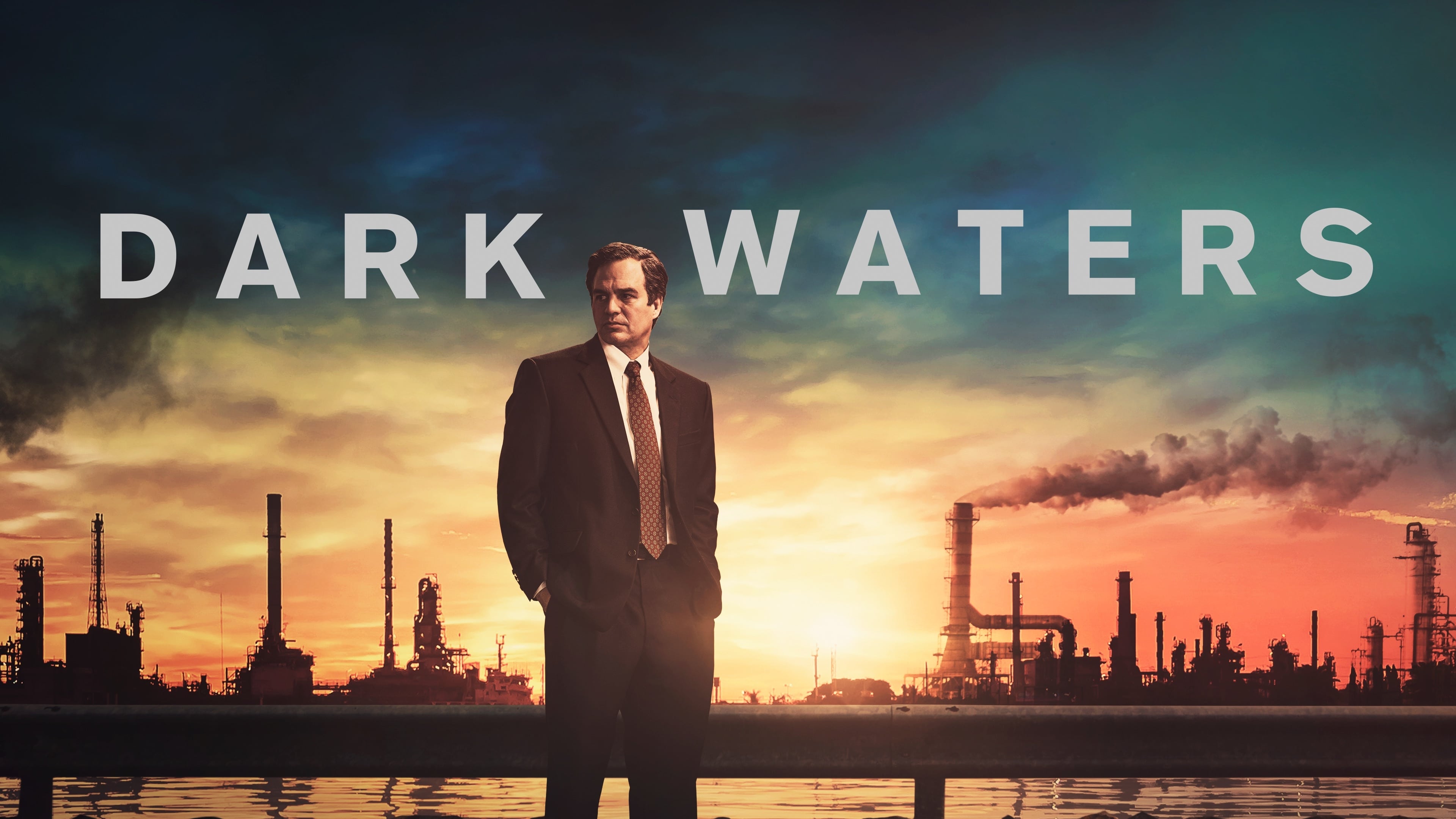




Original title Dark Waters
IMDb Rating 7.6 124K votes
TMDb Rating 7.5 2,639 votes
Director

Director
Cast

Robert Bilott

Sarah Bilott

Tom Terp

Harry Dietzler

Wilbur Tennant

Phil Donnelly

Darlene Kiger

James Ross

Carla Pfeiffer

Larry Winter
Similar Movies & TV Shows