
Download Link Below 📂🡻 1 Views
- Watch trailer
- Server 1indbd.pages.dev

- Server 2xcloud.autos
- SERVER US HD
Synopsis
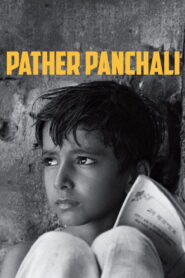
Pather Panchali (1955) – A Beautiful Bengali Cinema Classic
Introduction to Pather Panchali
Pather Panchali (1955) is a landmark Indian Bengali-language drama film written and directed by Satyajit Ray. Recognized internationally for its naturalistic storytelling and sensitive portrayal of everyday life, the film remains one of the most influential works in Indian cinema. It introduces audiences to a rural Bengali family struggling with poverty, changing circumstances, and the hopes and disappointments of ordinary life.
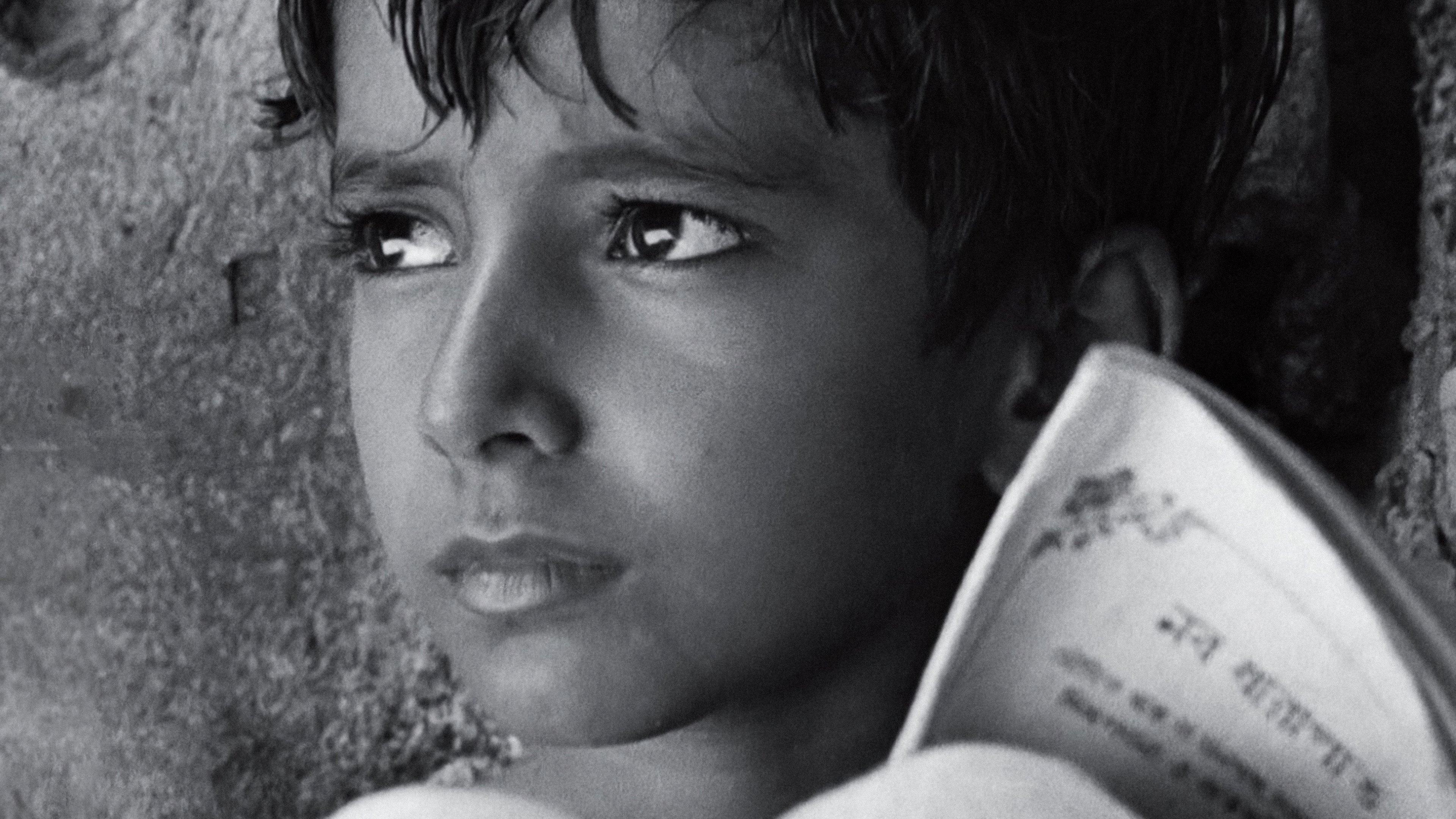
Based on the novel by Bibhutibhushan Bandyopadhyay, Pather Panchali presents a deeply human story through the experiences of young Apu, his older sister Durga, and their parents. Instead of relying on elaborate spectacle, the film finds emotional power in small moments, family relationships, and the beauty of the natural world.
Story and Plot
Pather Panchali story takes place in a rural village in Bengal, where Apu grows up in a financially struggling household. His father, Harihar, hopes to improve the family’s circumstances, while his mother, Sarbajaya, manages daily responsibilities and worries about their uncertain future.
Apu shares a close bond with his older sister Durga. Together, they explore their surroundings, discover the wonders of childhood, and experience the simple pleasures of village life. Their adventures reveal a world filled with curiosity, affection, conflict, and occasional hardship.
The family also includes the elderly relative Indir Thakrun, whose presence adds another emotional dimension to the household. Through these relationships, the film explores generational differences, compassion, social expectations, and the pressures created by poverty.
As the story develops, the family encounters difficult events that challenge their hopes for a better future. The narrative unfolds patiently, allowing the audience to understand the characters through their actions and everyday experiences.
Satyajit Ray’s Direction
Director Satyajit Ray brought a distinctive approach to filmmaking with his attention to realism, human behavior, and visual detail. Rather than presenting rural Bengal as an idealized setting, he portrays its beauty alongside the hardships faced by its inhabitants.
The performances feel natural, and the storytelling often allows silence, expressions, and ordinary activities to communicate emotions. This restrained style gives the characters a sense of authenticity and makes their struggles feel personal.
Cinematography and Music
The cinematography captures village paths, trees, fields, rain, and changing seasons with remarkable sensitivity. The landscape becomes an important part of the narrative, reflecting both the freedom of childhood and the family’s vulnerability.
The film’s music, composed by Ravi Shankar, adds emotional depth to the story. The score complements the visual storytelling without overwhelming the quieter moments.
Themes and Emotional Impact
Childhood and Discovery
Apu and Durga experience the world with curiosity. Their adventures reveal the excitement of discovery and the bittersweet nature of growing up.
Family and Sacrifice
The parents face difficult choices as they attempt to provide for their children. Their decisions reflect the tension between personal dreams and family responsibilities.
Poverty and Resilience
Economic hardship shapes the family’s daily life. The film portrays these challenges with empathy rather than exaggeration.
Nature and Change
The surrounding environment contributes to the film’s atmosphere and reinforces its themes of beauty, uncertainty, and change.
Why Pather Panchali Remains Important
Pather Panchali helped introduce international audiences to a different kind of Indian cinema, one centered on realistic characters and everyday experiences. Its influence extends beyond its original release because its themes remain recognizable across cultures and generations.
The film is also the first installment of Ray’s Apu Trilogy, followed by Aparajito (1956) and Apur Sansar (1959). Together, these films trace different stages of Apu’s life.
Frequently Asked Questions
What year was Pather Panchali released?
The film was released in 1955.
Who directed Pather Panchali?
It was written and directed by Satyajit Ray.
What is the story about?
It follows young Apu and his family as they navigate childhood, poverty, family relationships, and changing circumstances in rural Bengal.
Is Pather Panchali part of a trilogy?
Yes. It is the first film in the Apu Trilogy, followed by Aparajito and Apur Sansar.
What language is the film in?
Pather Panchali is a Bengali-language film.
Conclusion
Pather Panchali is a moving portrait of childhood, family, and life in rural Bengal. Through realistic performances, sensitive cinematography, and thoughtful direction, Satyajit Ray created a timeless film that continues to resonate with audiences. Its quiet emotional power and universal themes make it an essential work for anyone interested in Bengali cinema and the history of world filmmaking.


Original title পথের পাঁচালী
IMDb Rating 8.2 10 votes
TMDb Rating 7.8 516 votes
Director

Director
Cast

Harihar Roy

Sarbajaya Roy

Apurba 'Apu' Roy

Little Durga Roy

Durga Roy

Indir Thakrun

Prasanna
Chinibas
Baidyanath Majumdar

Seja Thakrun
Similar Movies & TV Shows