
Download Link Below 📂🡻 Select your preferred language from the audio options in the video player above. 65 Views
- Watch trailer
- Server 1vidcore.io

- Server 2Unknown resource
- SERVER US HD
Synopsis
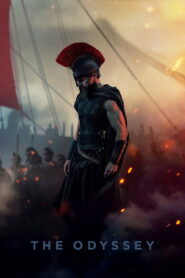
The Odyssey (2026) Movie Overview
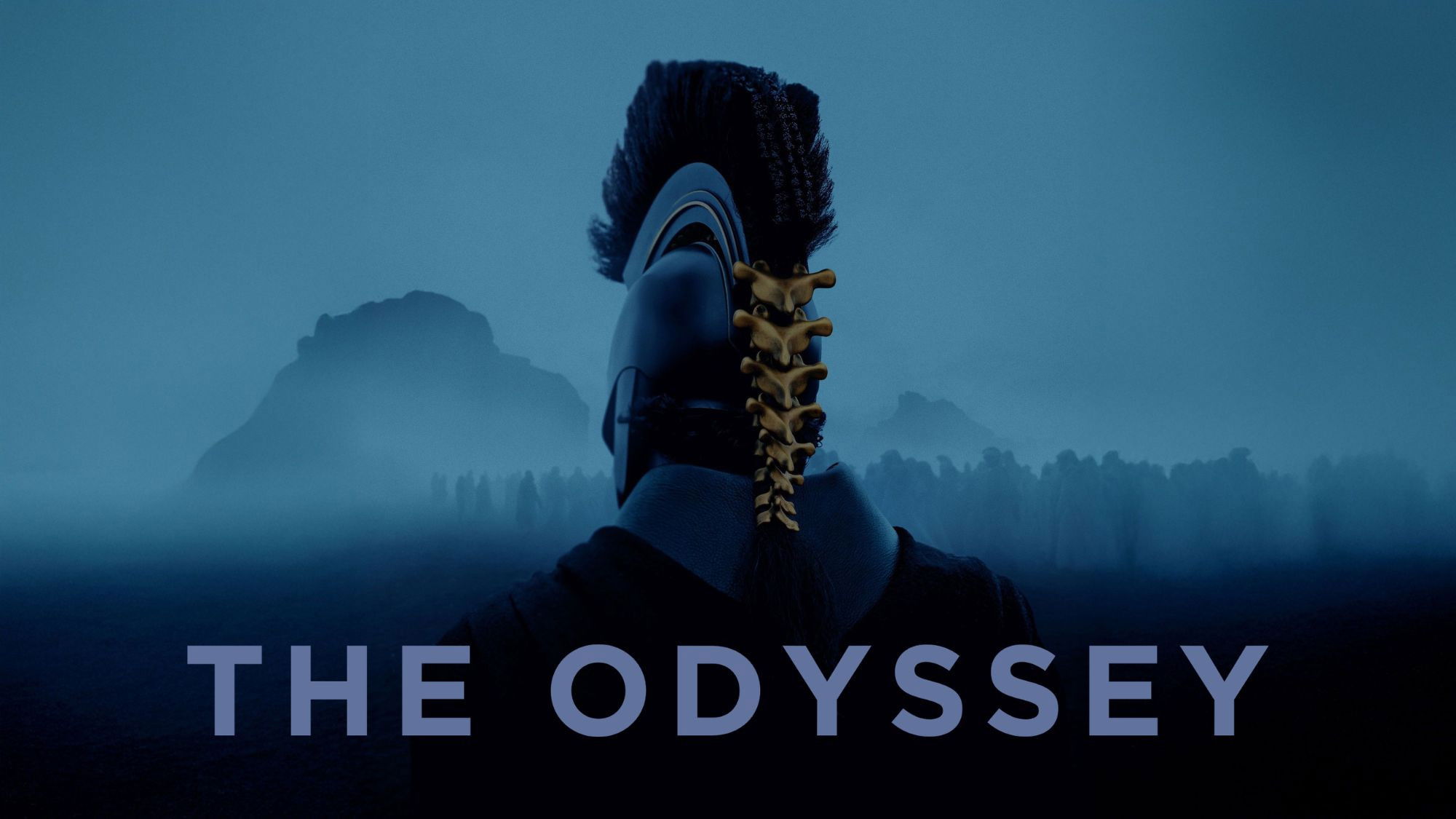
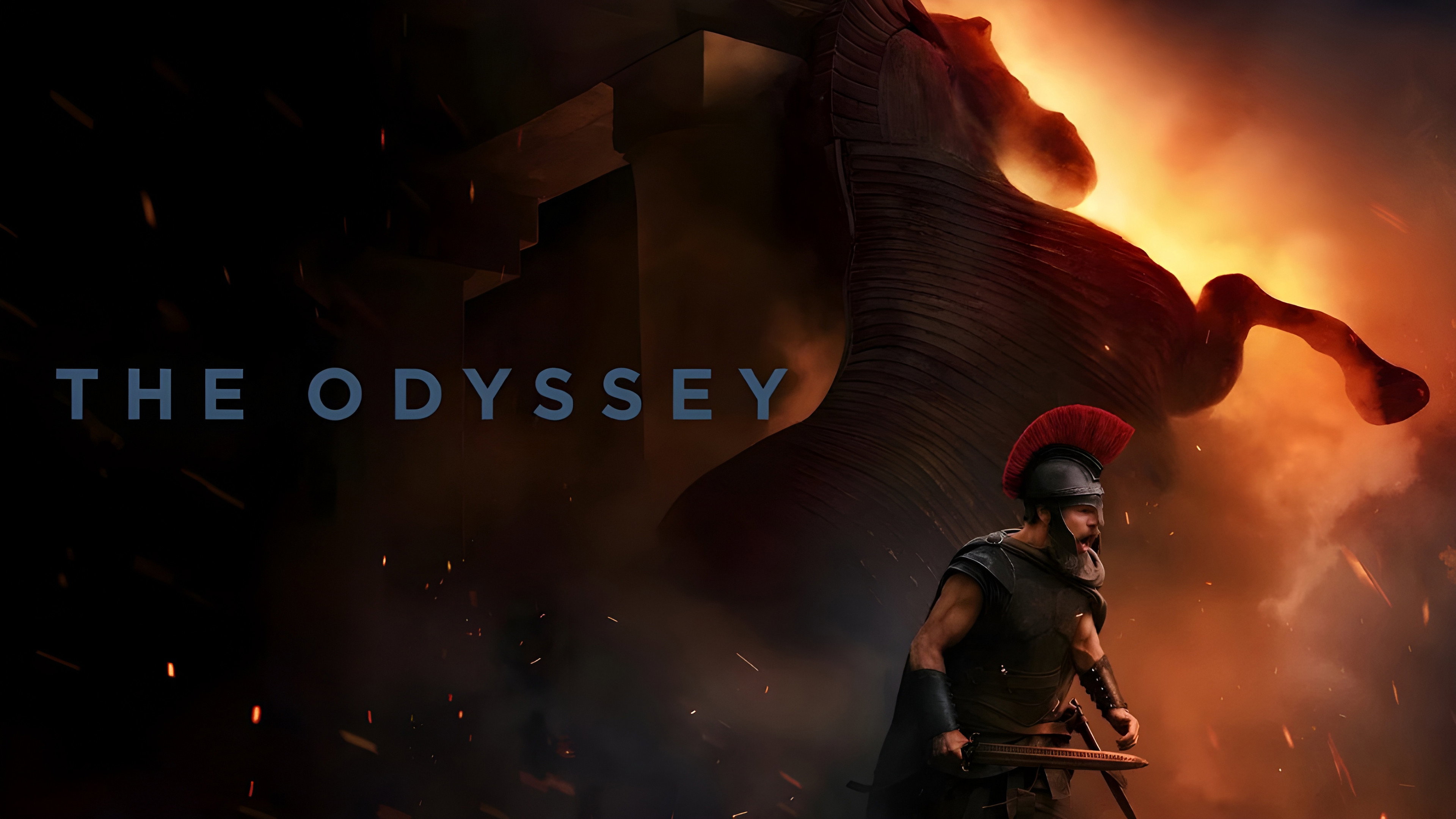
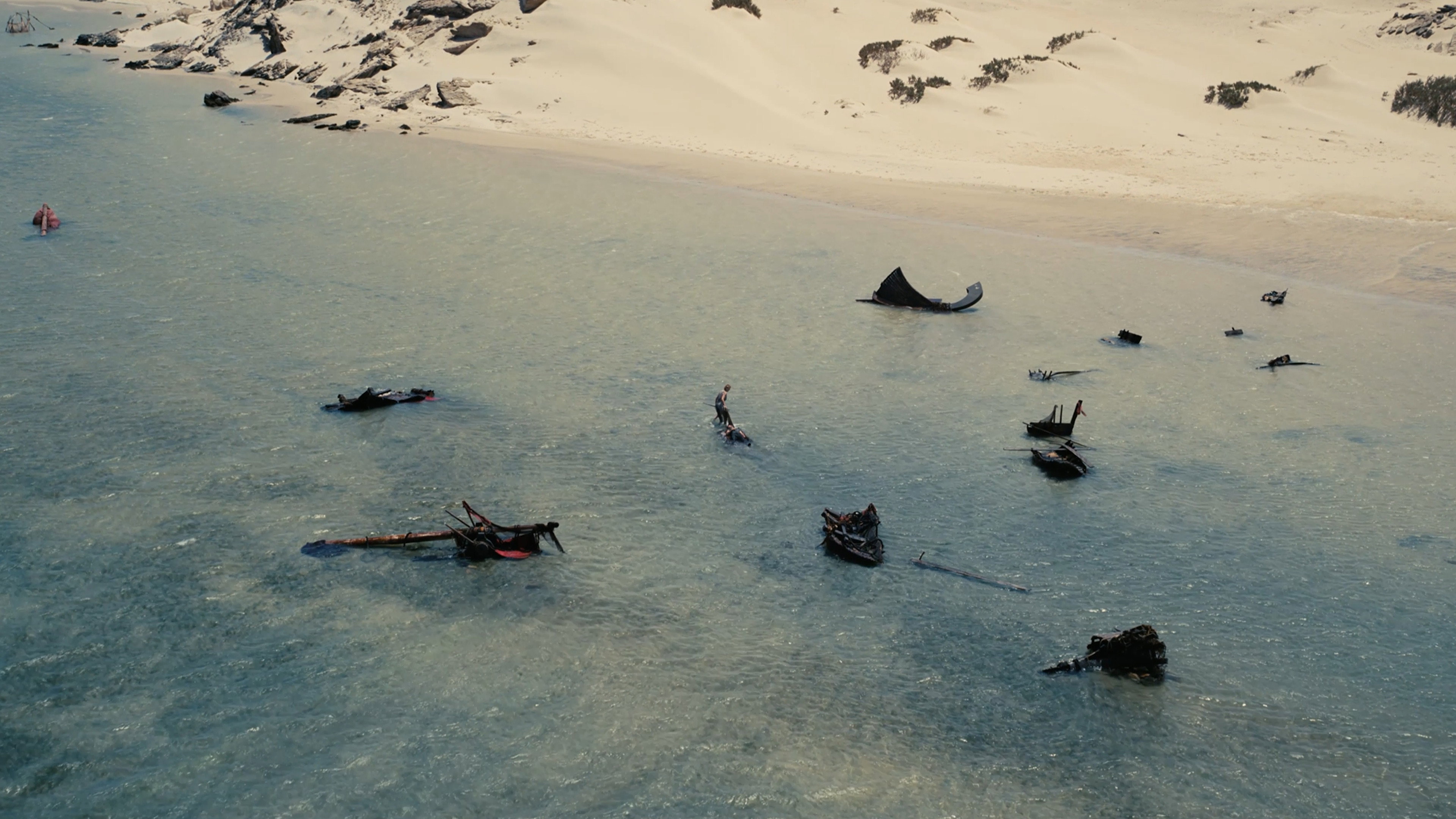
The Odyssey (2026) is an upcoming epic mythological adventure film directed by acclaimed filmmaker Christopher Nolan. Inspired by Homer’s ancient Greek epic poem The Odyssey, the movie brings one of the world’s most enduring stories to the big screen with a large-scale cinematic approach. Universal Pictures describes the film as a mythic adventure epic and highlights its use of groundbreaking IMAX film technology, with production taking place across locations around the world.
The film represents a cinematic interpretation of one of the most influential works in classical literature. Homer’s Odyssey follows the legendary Greek hero Odysseus as he attempts to return home after the Trojan War. His journey becomes a long and dangerous voyage filled with obstacles, strange lands, supernatural forces, powerful beings, and difficult choices. The story has remained influential for centuries because of its themes of courage, loyalty, family, identity, and the determination to find one’s way home.
Story and Mythological Journey
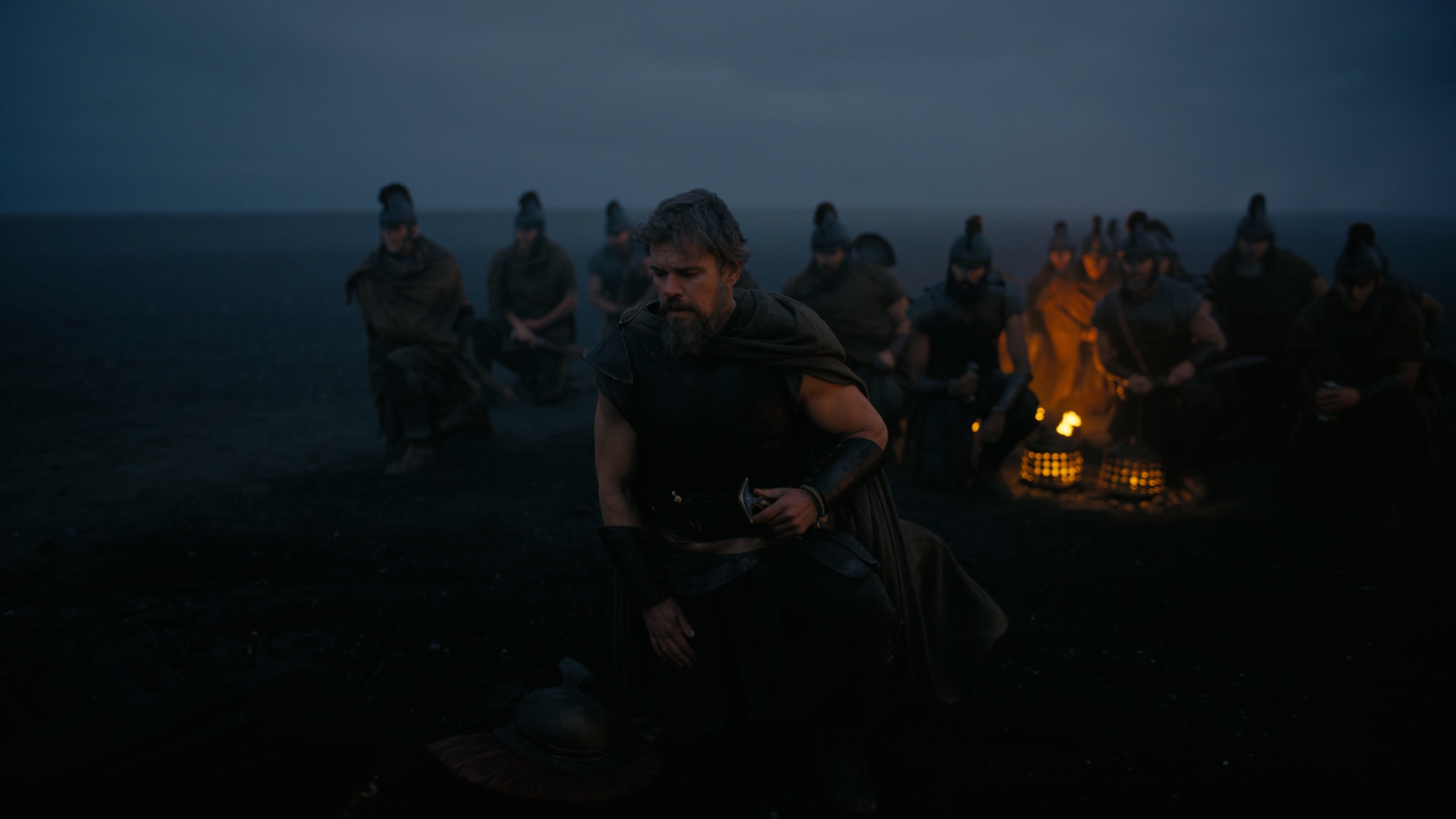
At the heart of The Odyssey (2026) is the legendary journey of Odysseus. After years of war, the hero begins the difficult voyage back toward his homeland. What should have been a straightforward journey becomes an extraordinary adventure as he encounters forces far beyond the ordinary human world.
The original epic is famous for its many legendary episodes and characters. Odysseus faces dangerous creatures, divine interference, mysterious islands, storms, temptations, and challenges that test both his physical strength and his intelligence. His journey is not simply about surviving dangerous situations; it is also about maintaining his determination despite years of uncertainty.
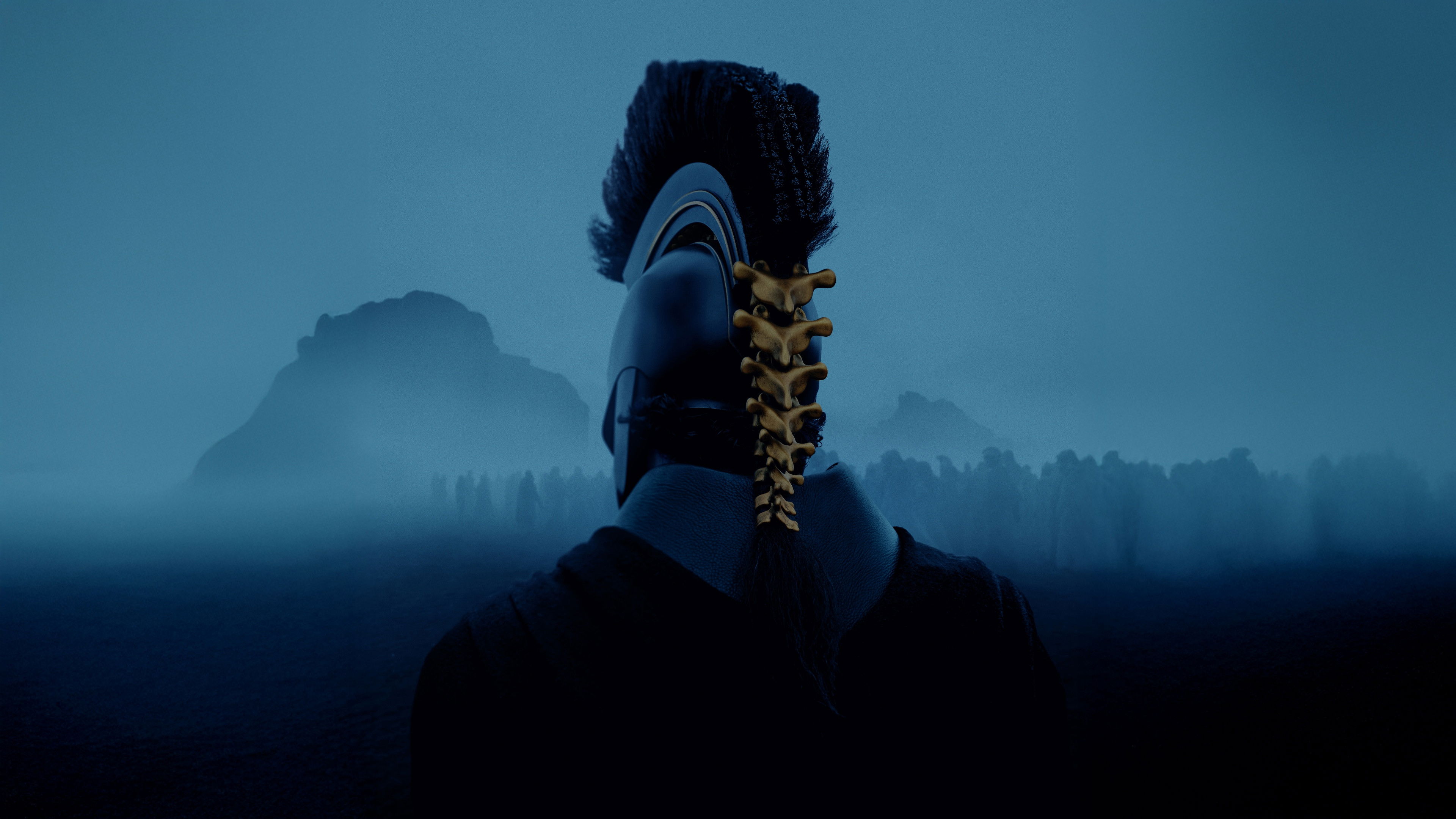
The film’s mythological foundation provides an enormous cinematic world filled with ancient kingdoms, seas, warriors, gods, monsters, and legendary landscapes. Nolan’s adaptation brings this material into a modern filmmaking environment while retaining the fundamental idea of an extraordinary journey across an ancient world.
Christopher Nolan’s Vision
One of the major attractions of The Odyssey (2026) is the involvement of Christopher Nolan as writer and director. Known for large-scale productions and ambitious visual storytelling, Nolan brings his filmmaking approach to one of the most famous stories in classical mythology.
Universal has emphasized the film’s extensive global production and its use of IMAX film technology. This approach is particularly significant for a story dominated by vast landscapes, oceans, ancient environments, and spectacular encounters.
The decision to use IMAX film technology also reflects the project’s emphasis on theatrical presentation. Large-format cinematography can provide audiences with an expansive view of the world in which Odysseus travels, making the scale of the journey an important part of the cinematic experience.
Themes of Home and Perseverance
The central idea behind The Odyssey is the desire to return home. Odysseus is separated from his homeland for years, and his journey becomes a test of patience, intelligence, courage, and determination.
The story also explores the meaning of family and loyalty. While Odysseus struggles to make his way home, his absence affects the people waiting for him. The emotional connection between a traveler and the people he hopes to reunite with gives the ancient adventure a deeply human dimension.
Another important theme is perseverance. Odysseus repeatedly encounters circumstances that could force him to abandon his goal. His ability to continue despite these obstacles is one of the defining characteristics of the character and the original epic.
Mythology, Action and Adventure
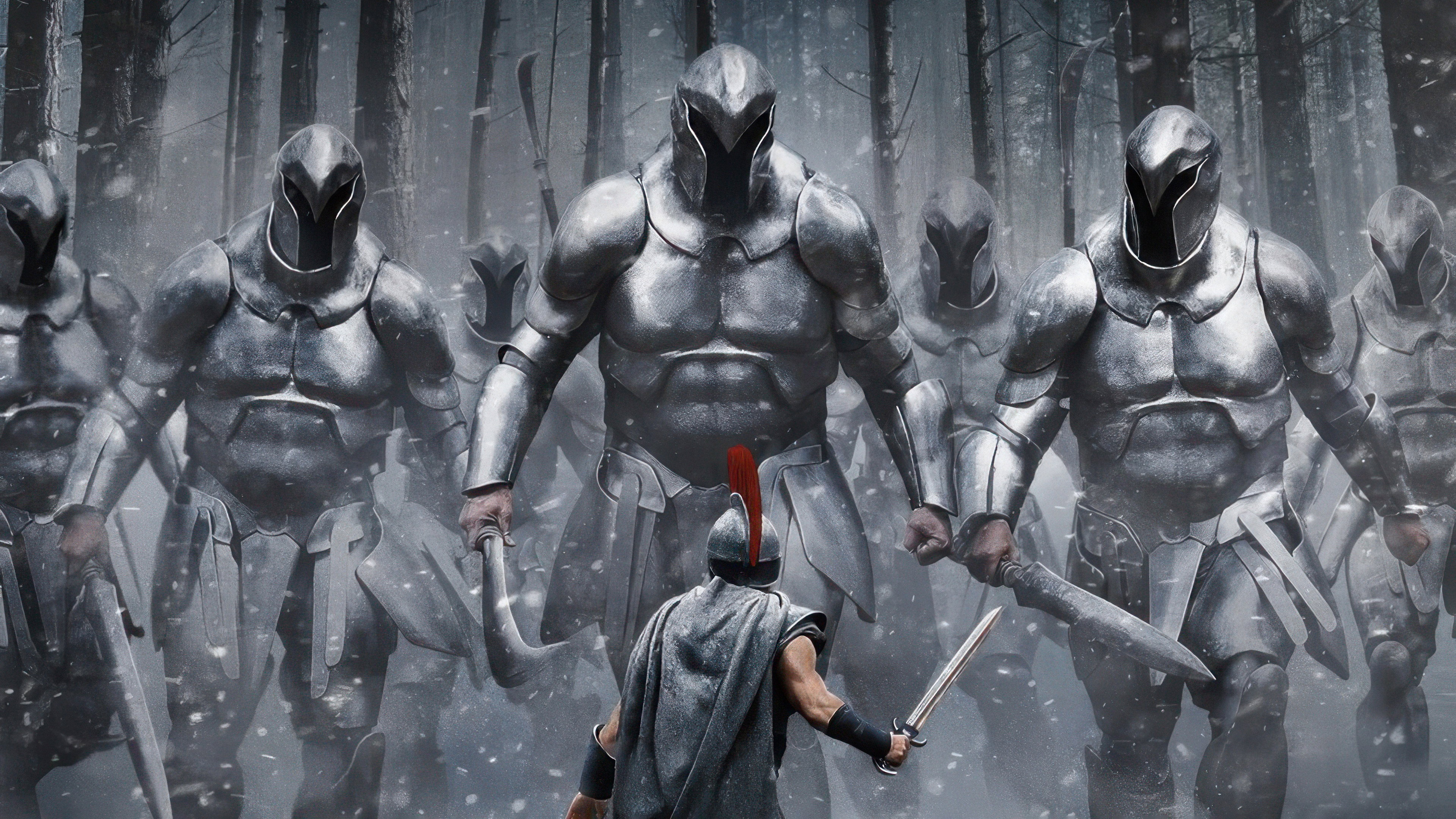
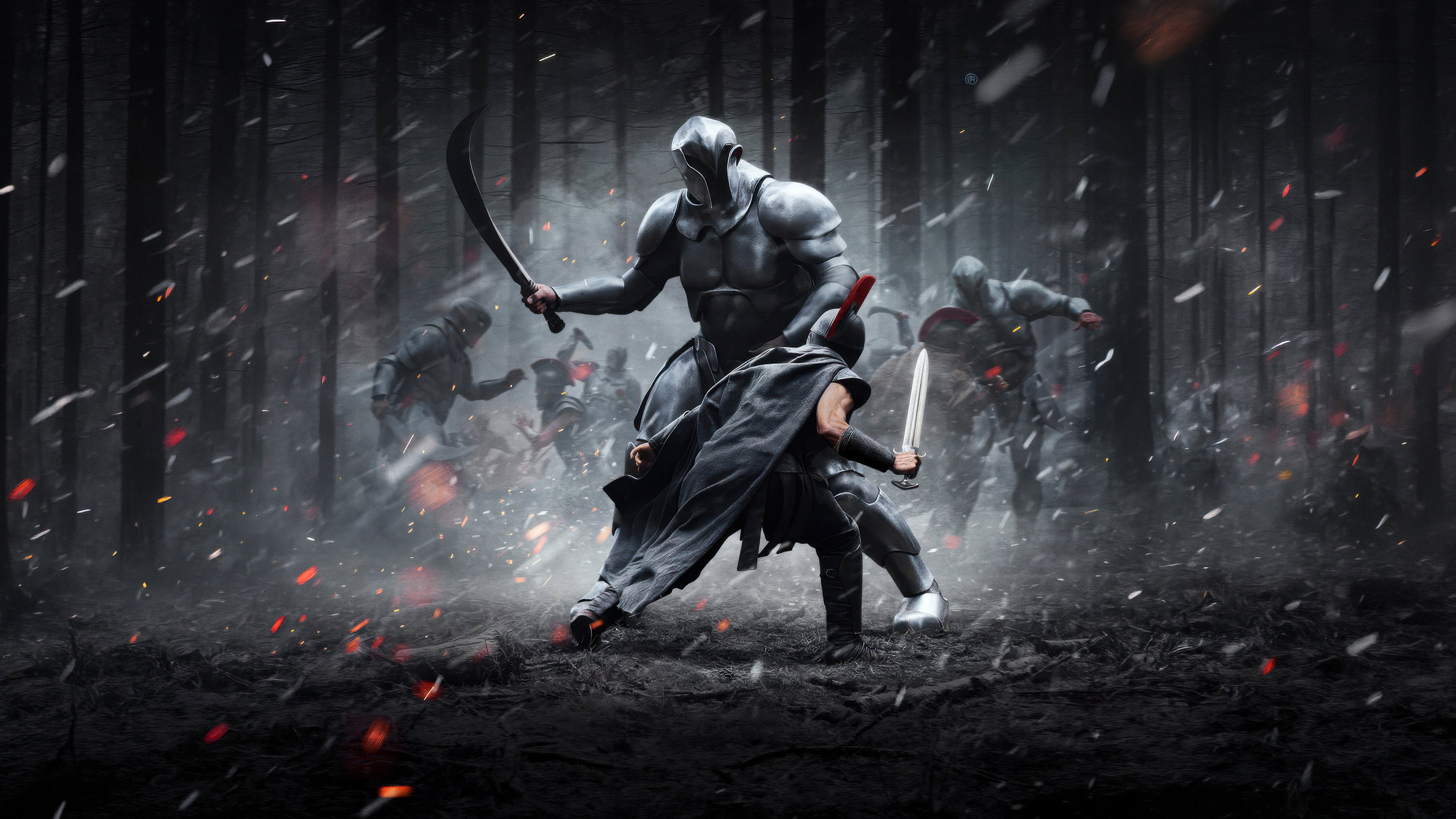
The world of The Odyssey (2026) provides an opportunity to combine mythology with large-scale action and adventure. The original poem contains legendary encounters that have become part of popular culture, including stories involving Cyclopes, Sirens, sea monsters, mysterious islands, and the intervention of Greek gods.
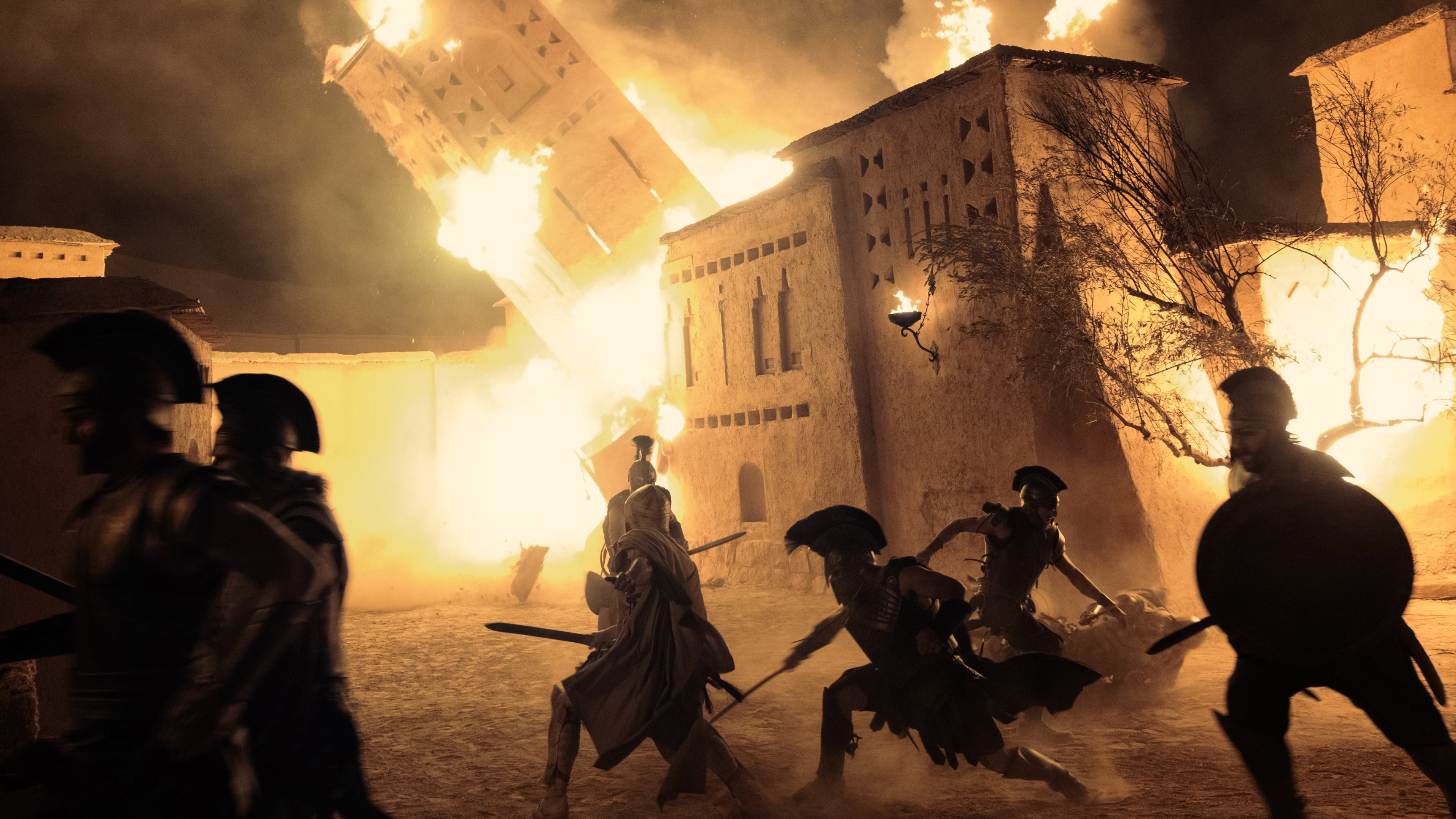
These elements give the film a broad range of cinematic possibilities. Battles and dangerous encounters can exist alongside quieter moments of discovery, while supernatural elements can contrast with the human struggles of the central characters.
Rather than being only a traditional action film, the story is built around a long journey. Each stage of that journey can reveal another aspect of the ancient world and further challenge the hero’s determination to return home.
Visual and Cinematic Presentation
The visual scale of The Odyssey (2026) is expected to be one of its defining characteristics. Universal has confirmed that the production was filmed at locations around the world and used IMAX film technology.
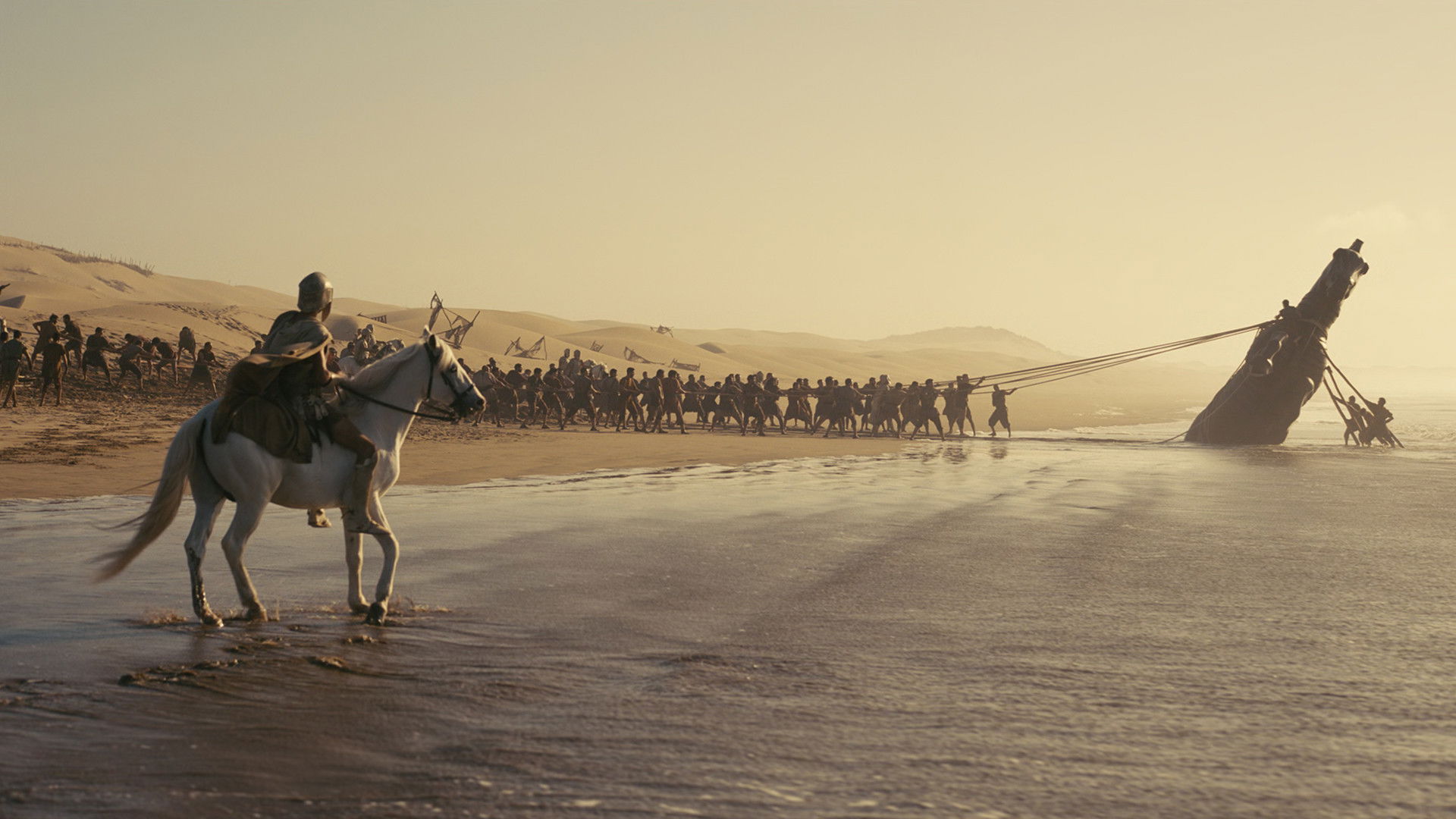
This global approach is well suited to the source material. The story moves through different environments, from open seas and remote islands to ancient settlements and mysterious territories. A production filmed across diverse locations can provide the movie with a sense of geographical variety while supporting the scale of Odysseus’s journey.
The combination of practical locations, large-format cinematography, production design, costumes, visual effects, and sound can help create an immersive interpretation of the mythological world.
Why The Odyssey Is Significant
Homer’s Odyssey has influenced literature, theater, television, film, and popular culture for centuries. Its story continues to attract audiences because its central ideas remain recognizable: the desire to return home, the importance of family, the consequences of choices, and the struggle to overcome seemingly impossible obstacles.
The Odyssey (2026) brings this ancient material to contemporary audiences through a major theatrical production. Christopher Nolan’s involvement and the film’s large-scale international production make it a notable interpretation of the classic story.
The movie also provides an opportunity for audiences unfamiliar with the original epic to discover one of the foundational adventure stories of Western literature. At the same time, readers familiar with Homer’s work can look for familiar characters, themes, locations, and mythological elements within a new cinematic interpretation.
Final Thoughts
Overall, The Odyssey (2026) is positioned as an ambitious mythological adventure centered on one of the greatest journeys in classical literature. The combination of Homer’s legendary source material, Christopher Nolan’s direction, international filming locations, and IMAX film technology gives the project a distinctly large-scale cinematic identity. Universal officially describes it as an adventurous mythic epic filmed around the world with IMAX technology.
For audiences interested in mythology, historical adventure, epic storytelling, and large-format cinema, The Odyssey (2026) offers a modern interpretation of a story that has survived for thousands of years. Its themes of homecoming, perseverance, loyalty, courage, and human endurance remain central to the enduring appeal of Homer’s epic, while the film’s ambitious production aims to present that timeless journey on an enormous cinematic scale.

Original title The Odyssey
IMDb Rating 8.4 10 votes
TMDb Rating 8.017 3,857 votes
Director

Director
Cast

Odysseus

Telemachus

Penelope

Antinous

Eurylochus

Calypso

Eumaeus

Bard

Polybus

Leodes
Download
Similar Movies & TV Shows