
Download Link Below 📂🡻 1 Views
- Watch trailer
- Server 1vidcore.io

- SERVER US HD
Synopsis
Tenzing (2026) Movie Description
Introduction to the Movie
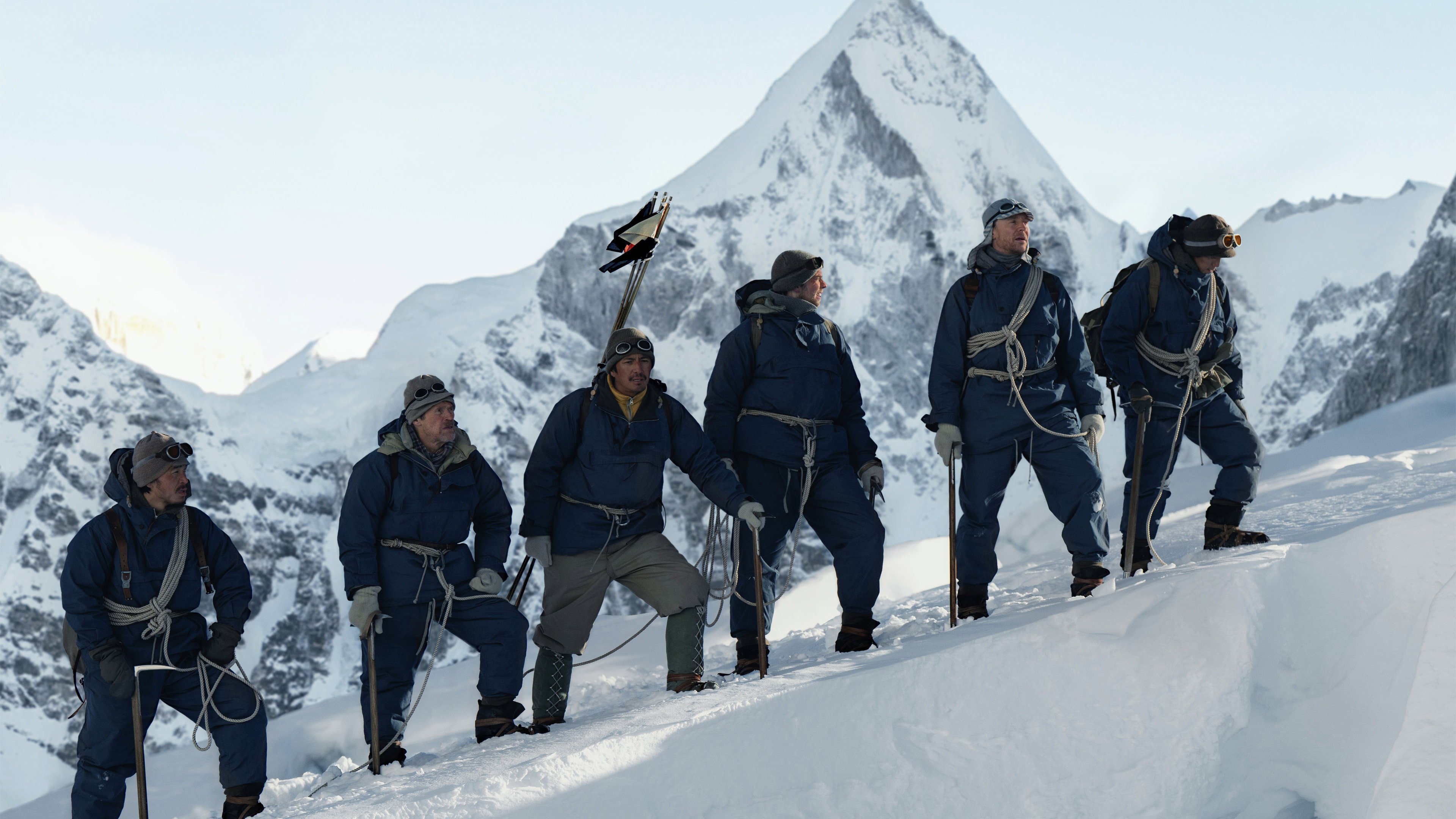
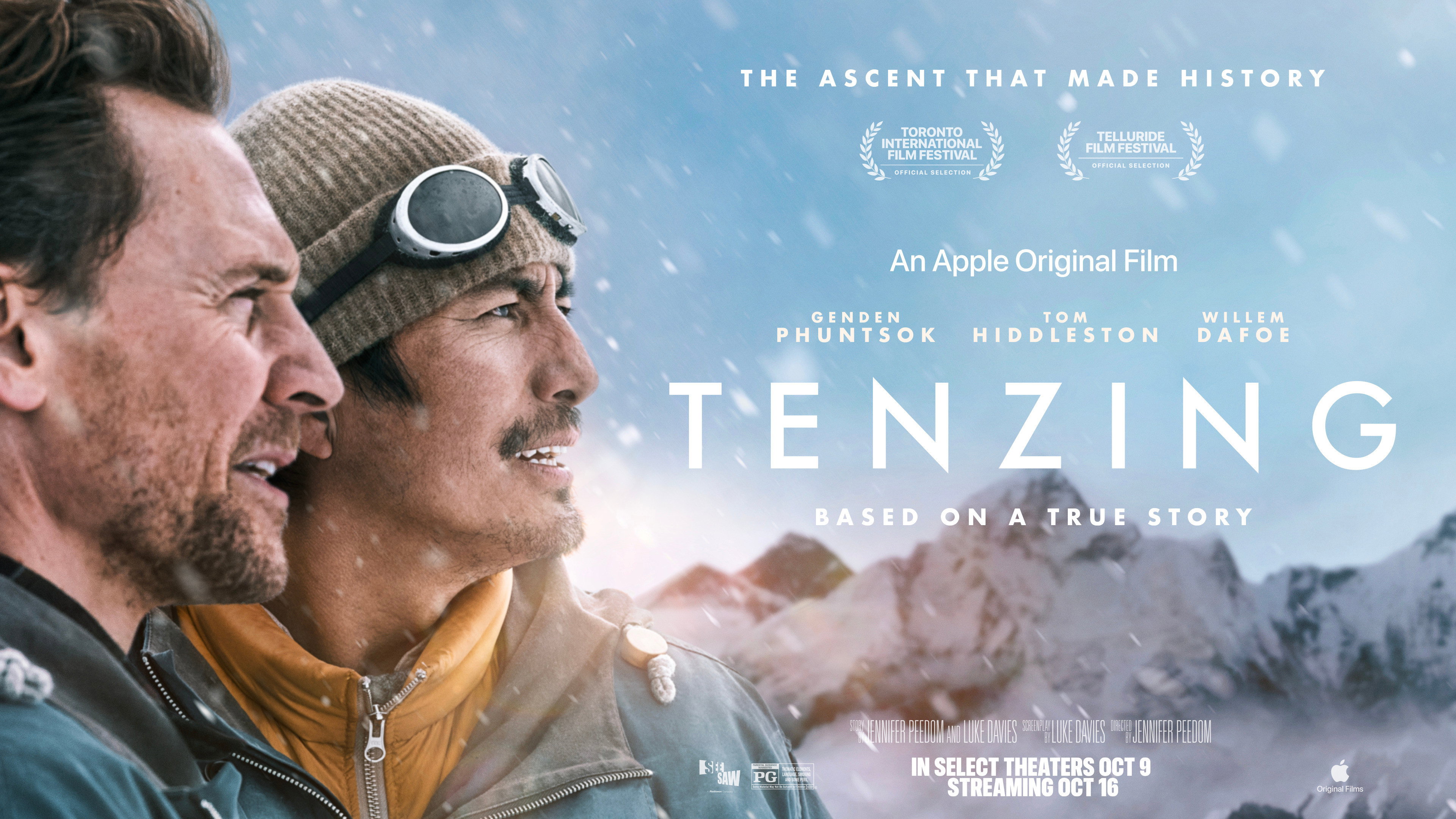
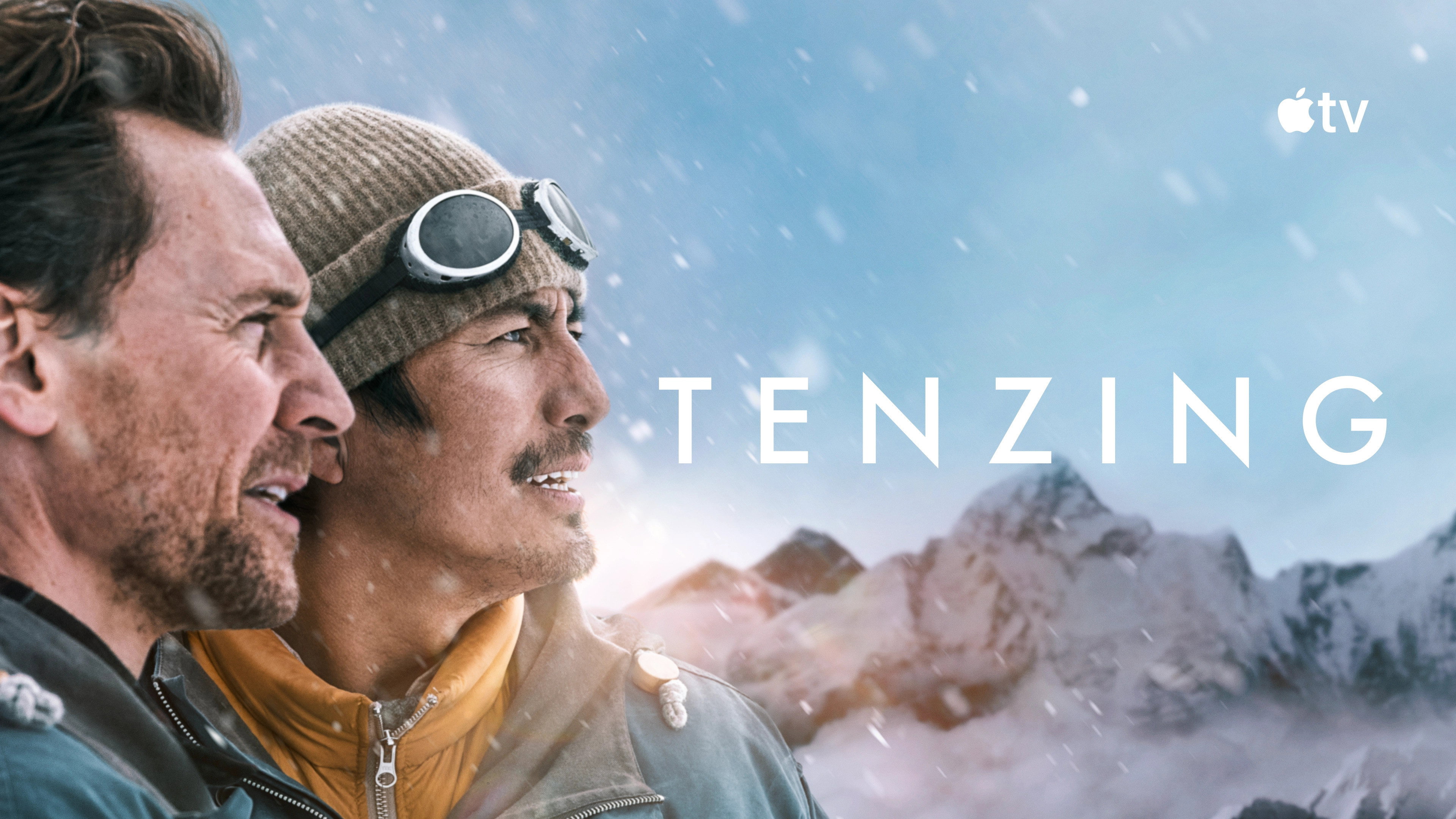
Tenzing is a 2026 biographical adventure drama that brings one of the most remarkable achievements in mountaineering history to the screen. Directed by Jennifer Peedom and written by Luke Davies, the film follows the extraordinary journey of Tenzing Norgay, the Himalayan climber who reached the summit of Mount Everest alongside New Zealand mountaineer Edmund Hillary in 1953. Through a combination of historical storytelling, mountain adventure, and emotional drama, the movie explores the courage, determination, and cooperation required to achieve a seemingly impossible dream.
Rather than presenting the expedition simply as a race to conquer the world’s highest mountain, the story gives attention to the people, cultural perspectives, and personal sacrifices behind the historic ascent. It explores the challenges faced by a gifted Sherpa climber whose contribution deserves recognition in its own right. With spectacular Himalayan landscapes and a talented international cast, the film offers an engaging cinematic experience for audiences interested in real-life heroes, survival, and exploration.
The Story Behind the Historic Expedition
At the center of the story is Tenzing Norgay, portrayed by Genden Phuntsok. He is an experienced Himalayan climber with a powerful ambition to reach the summit of Everest. His journey is shaped by years of experience, determination, and a deep spiritual connection to the mountain. For him, the mountain is not merely a physical challenge or a trophy to be claimed; it carries cultural and spiritual significance that influences the way he approaches the expedition.
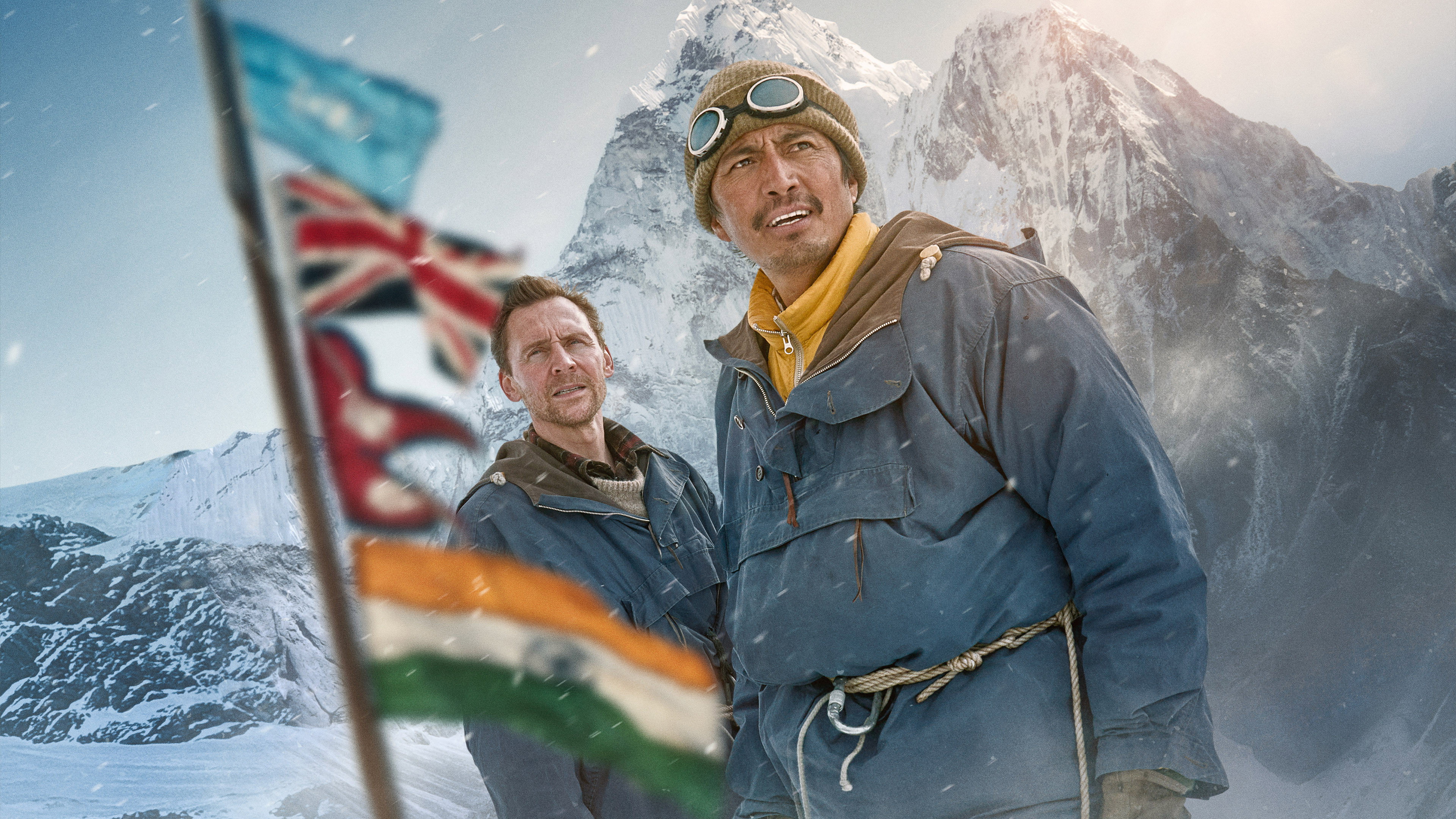
The narrative follows his efforts to secure a meaningful position on the British-led climbing team. Colonial attitudes and social hierarchies create obstacles that extend beyond the physical dangers of mountaineering. Tenzing must demonstrate his ability while confronting expectations that often place Sherpa climbers in supporting roles rather than recognizing them as accomplished mountaineers in their own right.
His wife, Dawa, played by Thinley Lhamo, provides emotional support and encouragement throughout this demanding journey. Her influence highlights the personal relationships that sustain people pursuing extraordinary ambitions. The expedition secretary, Jill Henderson, portrayed by Caitríona Balfe, also becomes an important ally in the effort to persuade Colonel John Hunt that Tenzing deserves a place on the climbing team.
Tenzing Norgay and His Extraordinary Ambition
Tenzing film’s central character represents perseverance in the face of physical hardship and social barriers. Tenzing Norgay’s goal requires more than technical skill. He must endure dangerous conditions, navigate complicated relationships, and remain focused on his ambition despite uncertainty about whether the expedition will succeed.
Tenzing presents the climber as a determined individual whose experience and understanding of the mountains are essential to the mission. His knowledge of the Himalayan environment is not incidental to the expedition; it is one of the foundations on which the attempt depends. The story encourages viewers to recognize the expertise and courage of the Sherpa people, whose contributions have been fundamental to Himalayan mountaineering.
At the same time, the film explores the distinction between personal ambition and collective achievement. Reaching Everest’s summit demands teamwork, trust, careful preparation, and the ability to make difficult decisions under pressure. The climber’s dream can only become reality when individual strengths are combined with the efforts of others.
Edmund Hillary and the Power of Partnership
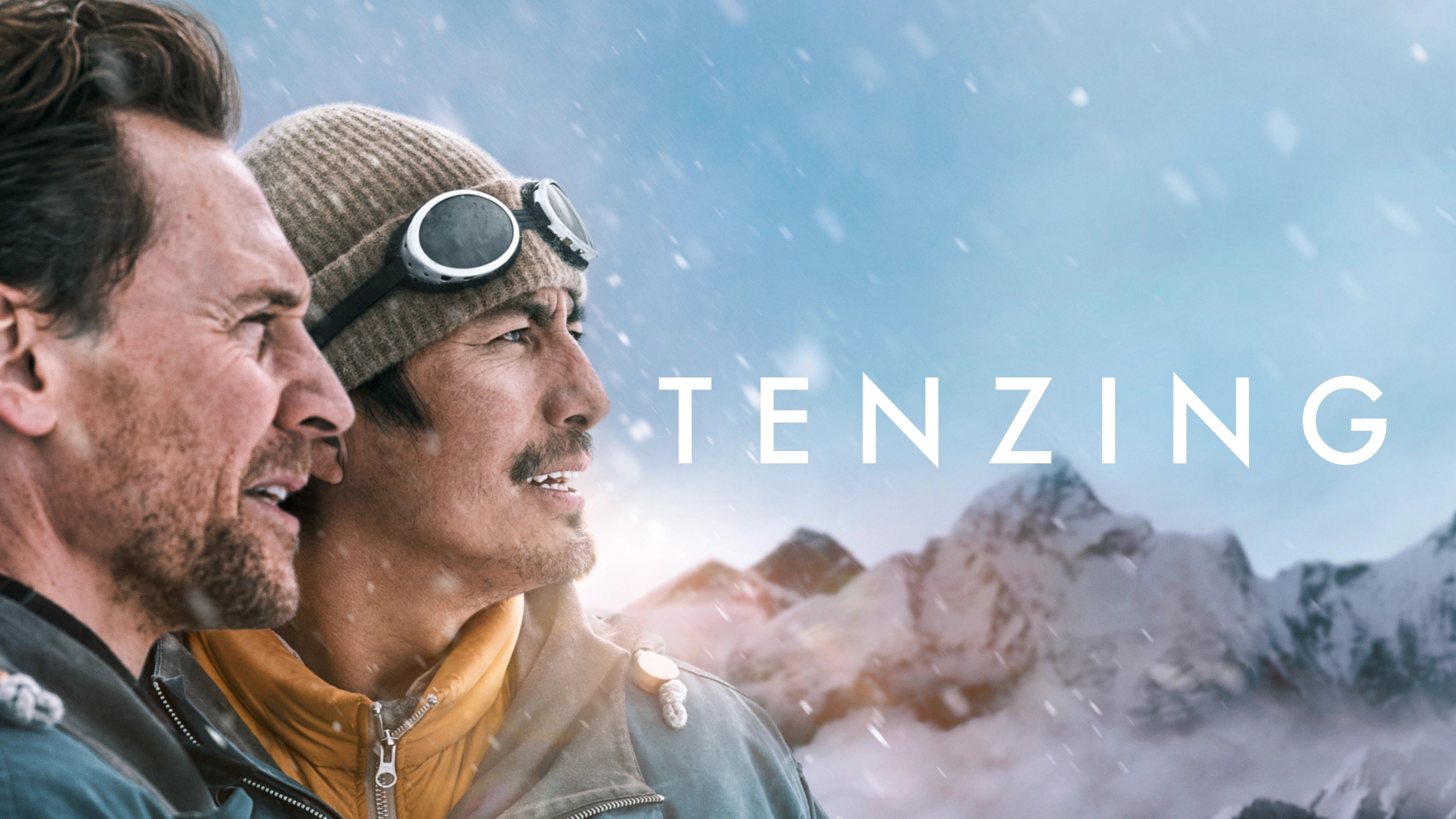
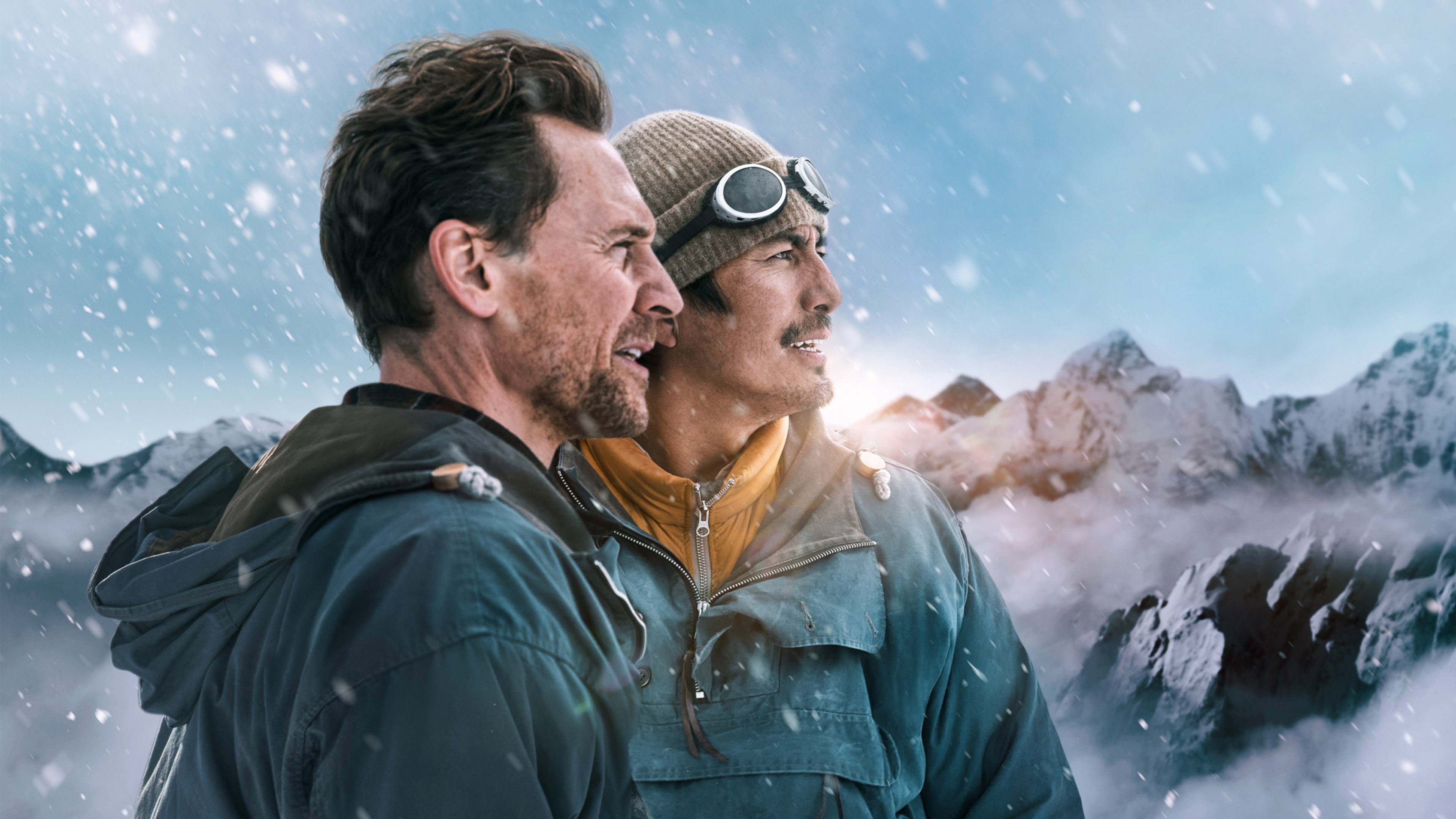
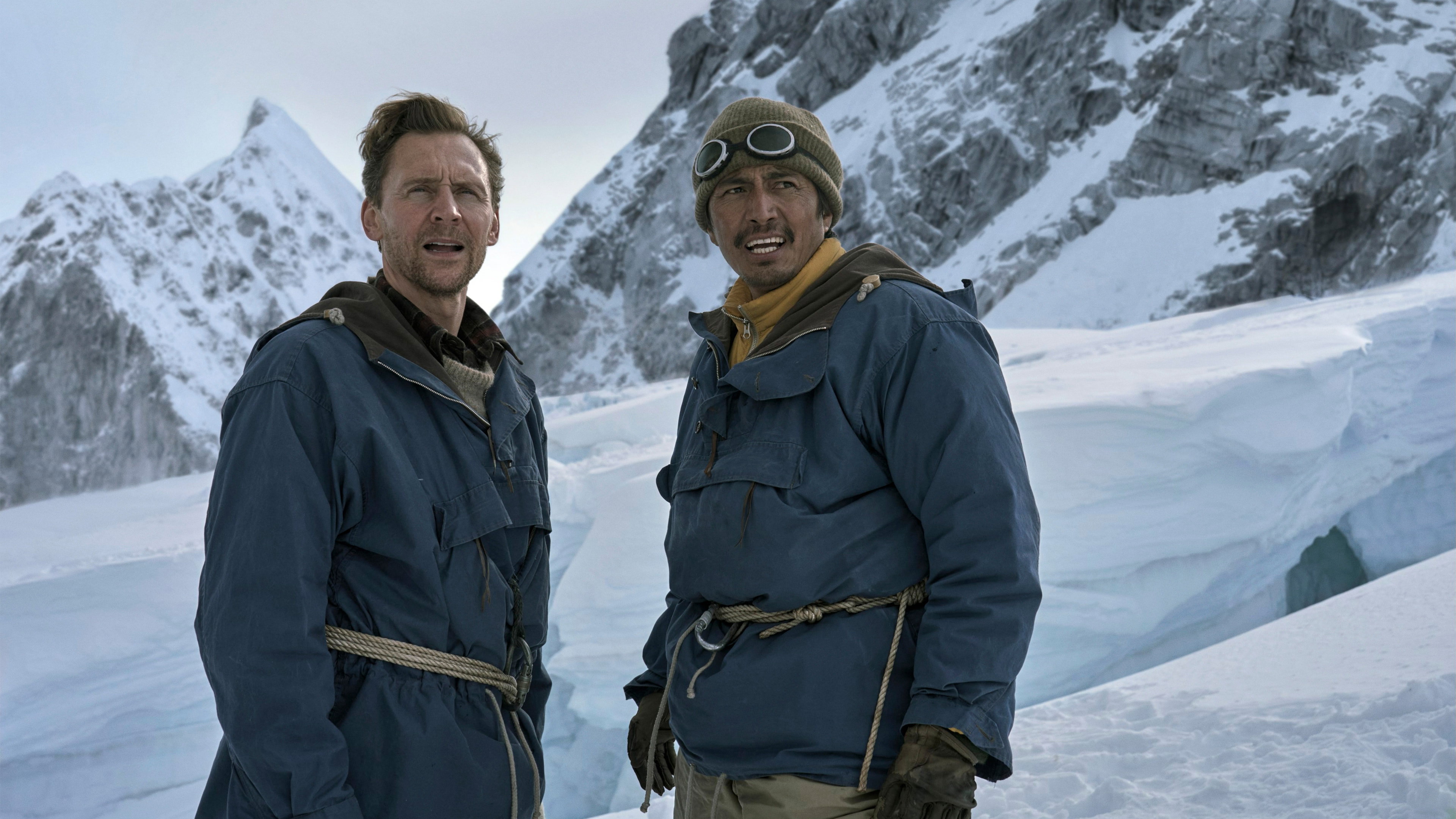
Tom Hiddleston portrays Edmund Hillary, the New Zealand mountaineer who becomes Tenzing’s partner in the historic expedition. Their relationship forms an important part of the film’s emotional and historical framework. Although they come from different backgrounds and traditions, both men share a determination to overcome the formidable challenges presented by Everest.
Their partnership develops within a larger expedition shaped by competing ambitions, social differences, and the demands of high-altitude climbing. The story examines how mutual respect can grow when individuals recognize each other’s abilities and depend on one another in dangerous circumstances.
Tenzing film does not reduce their achievement to a simple contest between two climbers. Instead, it explores the trust needed to undertake a journey in which a single mistake can have devastating consequences. As the mountain becomes increasingly difficult to navigate, cooperation matters more than status or reputation.
Colonel John Hunt and the British Expedition
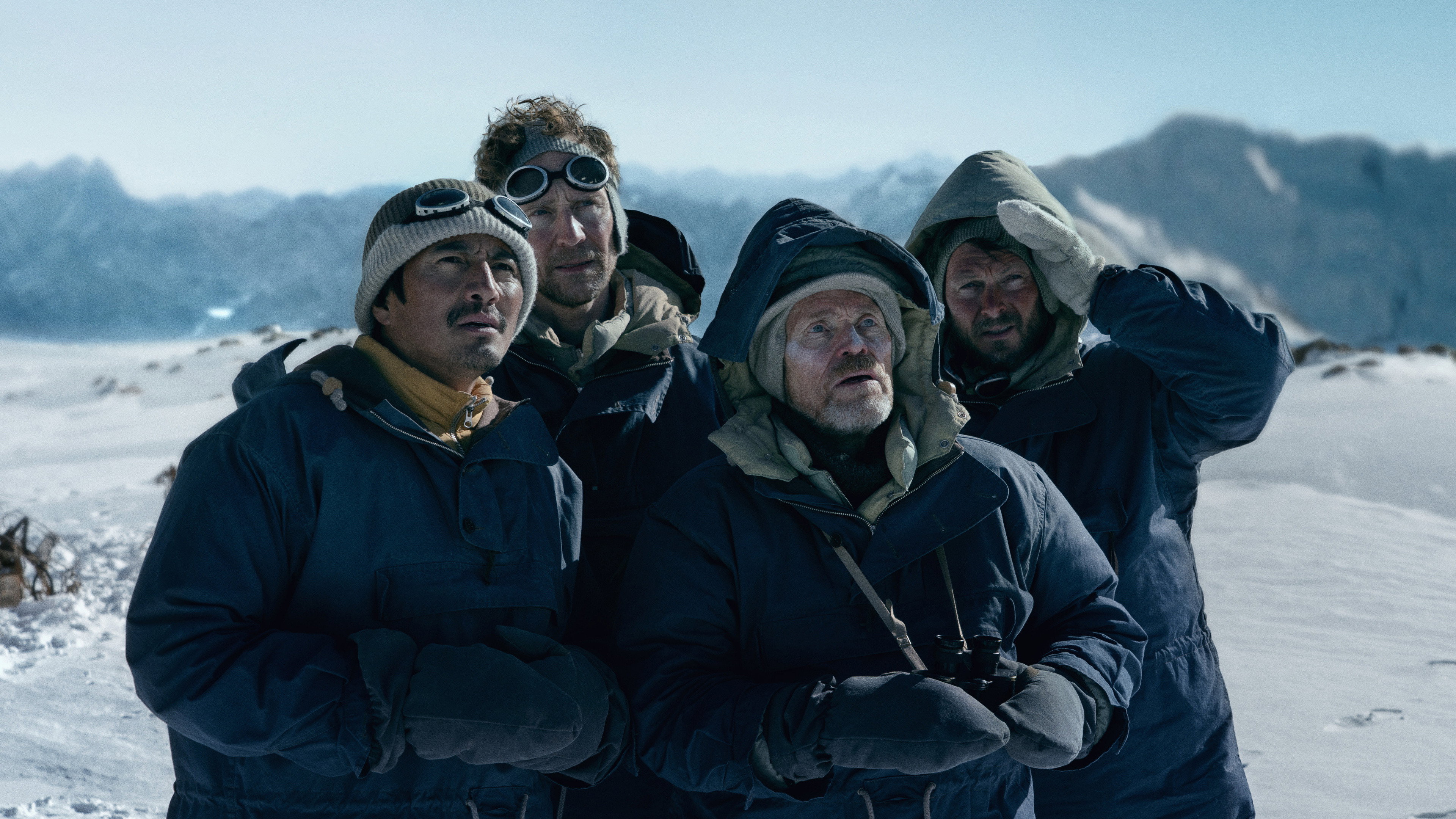
Willem Dafoe appears as Colonel John Hunt, the leader responsible for organizing the British expedition. His character represents the organizational and leadership challenges involved in planning an ambitious attempt on Everest. A successful expedition requires more than determination: it depends on supplies, route planning, experienced climbers, coordination, and careful assessment of risks.
The film’s portrayal of the expedition also brings attention to the social attitudes of the period. Tenzing’s place within the team becomes part of a wider question about recognition and authority. The story considers how established hierarchies can overlook the people whose skills are essential to success.
These tensions provide an additional layer of conflict alongside the mountain itself. The expedition must overcome environmental obstacles, but its members must also navigate disagreements and assumptions that threaten to undermine their shared objective.
The Himalayas and the Challenges of Everest
One of the major attractions of the movie is its Himalayan setting. Mount Everest is a landscape of extraordinary beauty and extreme danger, where freezing temperatures, thin air, steep terrain, and unpredictable weather create constant challenges. The mountain’s scale gives the film a natural sense of suspense, as even experienced climbers must respect the limits of human endurance.
The visual storytelling emphasizes the difference between the beauty of the landscape and the risks hidden within it. Snow-covered slopes and enormous mountain faces create an impressive backdrop, while difficult climbing conditions remind viewers that reaching the summit is never guaranteed.
The expedition’s progress depends on discipline and preparation. Every stage requires the climbers to consider their physical condition, equipment, route, and changing surroundings. The film uses these details to make the ascent feel like a demanding journey rather than an effortless triumph.
For audiences who enjoy adventure cinema, Tenzing offers the appeal of a true historical achievement combined with the tension of survival against overwhelming natural forces.
Direction, Cinematography, and Atmosphere
Director Jennifer Peedom brings her experience with mountain-related filmmaking to a story centered on a defining moment in exploration history. The film combines human drama with the scale of the Himalayan environment, allowing the setting to become an essential part of the narrative.
Cinematography by Stefan Duscio contributes to the visual presentation of the expedition. The mountain environment creates opportunities for sweeping landscapes, intimate character moments, and scenes that emphasize the physical isolation of high-altitude climbing. These visual contrasts help communicate the emotional and practical demands of the journey.
The atmosphere of the film is shaped by the uncertainty of the ascent. Even when the climbers are making progress, the mountain remains powerful and unpredictable. This tension reinforces the idea that success depends not only on courage but also on patience, judgment, and respect for the natural world.
Themes of Recognition, Culture, and Respect
Beyond its adventure elements, the movie explores the importance of recognizing contributions that history may overlook. Tenzing Norgay was central to the successful 1953 ascent, yet public narratives about Everest have often given unequal attention to the people involved. The film seeks to place his experiences, ambitions, and cultural perspective at the heart of the story.
The contrast between Western ideas of conquest and Tenzing’s spiritual understanding of Chomolungma, the Tibetan name associated with Everest, adds another dimension to the narrative. The mountain has different meanings for different people. For some, it represents achievement and exploration; for others, it is a sacred presence deserving of reverence.
These perspectives do not eliminate the dangers or ambitions of the expedition, but they influence how its participants understand their goal. The story invites viewers to consider how culture shapes the meaning of achievement and why respect matters when people from different backgrounds work together.
Why This Adventure Drama Is Worth Watching
Tenzing may appeal to viewers who enjoy historical dramas, biographical films, mountaineering stories, and real-life accounts of extraordinary human achievement. Its combination of personal ambition, expedition politics, breathtaking scenery, and physical danger provides several reasons to follow the journey.
The performances by Genden Phuntsok, Tom Hiddleston, Willem Dafoe, and Caitríona Balfe bring different perspectives to the expedition. The supporting characters help demonstrate that a historic achievement is rarely the work of a single individual. Family members, organizers, fellow climbers, and allies all contribute to the conditions that make success possible.
The story also offers an accessible introduction to the history of Everest’s first confirmed successful ascent in 1953. By focusing on the people behind the event, it gives the historical achievement an emotional dimension that goes beyond dates and records.
Final Thoughts
Tenzing is a biographical adventure drama about ambition, partnership, cultural identity, and the determination to overcome extraordinary obstacles. Through the journey of Tenzing Norgay and Edmund Hillary, the film explores a historic ascent while giving attention to the people whose skills and sacrifices made it possible.
Its combination of Himalayan scenery, human conflict, and historical context makes it an appealing choice for viewers interested in stories of courage and exploration. The film’s central message extends beyond mountaineering: lasting achievements often depend on mutual respect, cooperation, and the willingness to recognize the abilities of people whose contributions have been underestimated.
For anyone looking for a thoughtful adventure movie based on real events, this story offers an opportunity to revisit a landmark moment in mountaineering history and reflect on the human determination behind it.


Original title Tenzing
IMDb Rating 7.5 10 votes
TMDb Rating 8.237 38 votes
Director

Director
Cast

Tenzing Norgay

Ed Hillary

John Hunt

Boy Tenzing (9 Yrs)
Sherpa

George Mallory

Kinzom
Mingma

Mrs Ingram

Mr Ingram
Similar Movies & TV Shows