

Download Link Below 📂🡻 1 Views
- Watch trailer
- Server 1vidcore.io

- SERVER US HD

Hope (2026): 9 Incredible Reasons This Epic Thriller Is a Must-Watch
Is this how it ends?Jul. 15, 2026157 Min.18K
Synopsis
Hope Movie Description
Introduction to the Film | iScreenBD
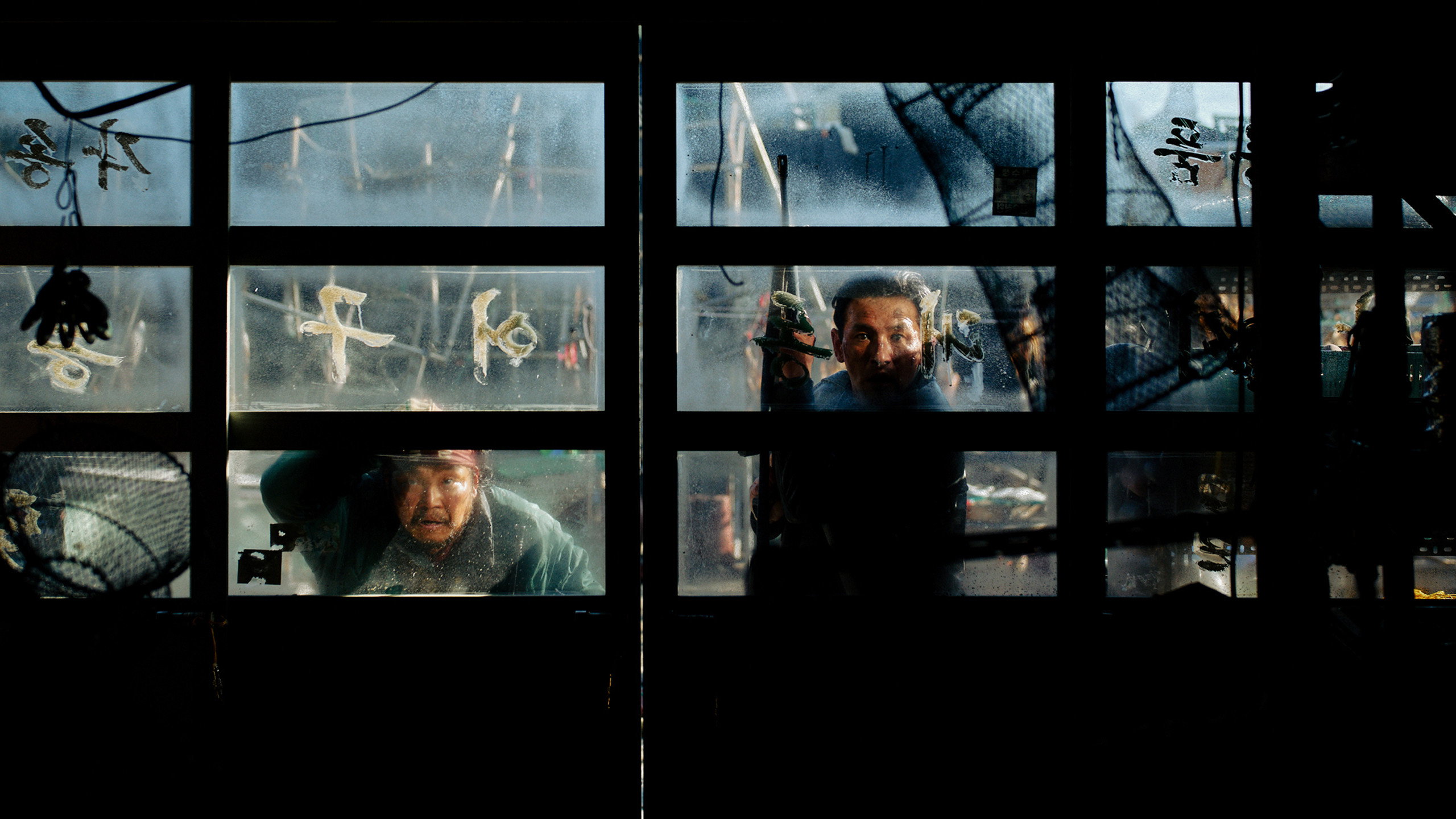
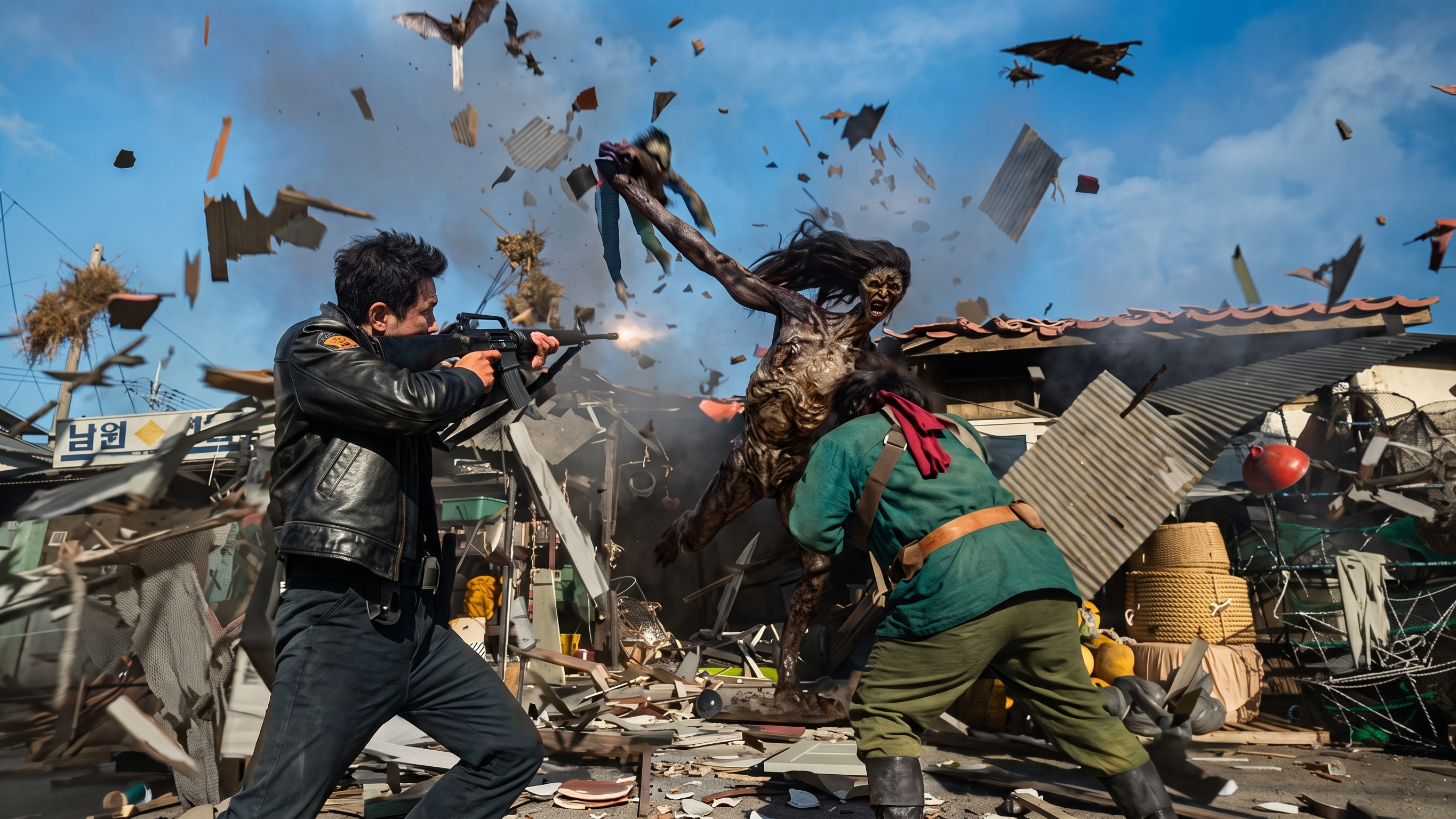
Na Hong-jin’s 2026 South Korean science-fiction thriller combines monster horror, mystery, action, and darkly unsettling drama in a story set in a remote coastal community. Hope introduces viewers to a village where everyday routines are suddenly shattered by the appearance of a mysterious creature. The film begins with a seemingly local emergency, but the situation gradually expands into a much larger confrontation involving fear, misunderstandings, and forces the residents do not understand.
Set around Hope Harbor, the story follows people who must make difficult decisions while the danger grows. The isolated setting helps create a feeling of vulnerability: communication is limited, outside help is not immediately available, and familiar surroundings become unpredictable. Rather than relying only on a creature attack, the film uses uncertainty and human reactions to build suspense.
Story and Main Conflict
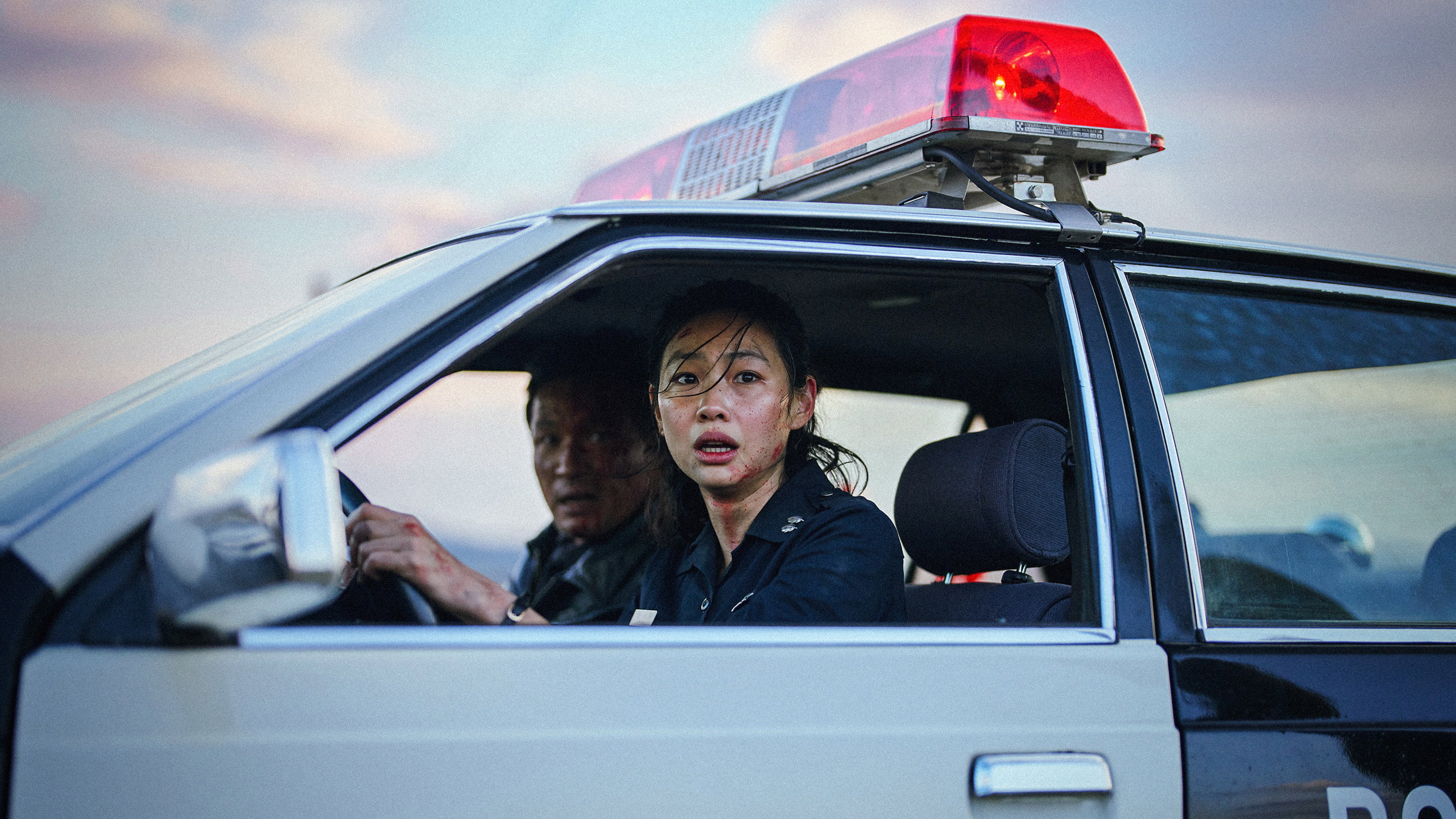
At the center of the story is Bum-seok, the local police chief, who is called upon to protect his community when reports of a dangerous creature begin to spread. He is joined by Sung-ae, a police officer who must face a situation far beyond an ordinary investigation. Their responsibilities are practical as well as emotional. They must assess the threat, keep residents safe, and decide what to do when the information available to them is incomplete.
Meanwhile, Sung-ki and a group of local hunters head into the nearby mountains to track the creature. Their expedition does not unfold as expected. The hunters discover that they may not be the ones controlling the encounter, and the wilderness becomes a place of danger rather than a landscape they know well. These parallel storylines create tension between the effort to defend the village and the attempt to understand what is moving beyond it.
As the events intensify, Hope shifts from a straightforward monster mystery into a broader story about how people respond to the unknown. The residents do not all interpret the evidence in the same way. Suspicion, instinct, pride, and incomplete knowledge influence their decisions, making the crisis more complicated than a simple battle between humans and a creature.
A Distinctive Science-Fiction Mystery
One of the film’s central attractions is the way it blends grounded village life with extraordinary science-fiction elements. The early investigation gives the story a familiar procedural structure, while the creature’s presence pushes the characters into increasingly unfamiliar territory. Viewers are invited to question what they are seeing and whether the explanations offered by the characters are reliable.
The film’s mystery is not only about identifying the threat. It is also about understanding how fear can distort judgment. A lack of clear information creates room for rumors and competing theories, and each new discovery can make earlier assumptions seem less certain. This gradual expansion of the conflict gives the narrative a larger scale without losing sight of the people who must endure it.
For audiences who enjoy films that mix suspense with unusual world-building, Hope offers a story that moves between the recognizable and the uncanny. Its science-fiction premise supports questions about perception, survival, and the consequences of acting before understanding a situation.
Characters and Performances
Hwang Jung-min plays Bum-seok, a police chief caught between his duty to the village and the limits of what he can control. The role places him in a position where authority alone cannot guarantee safety. He must respond to rapidly changing circumstances while managing the concerns of people who look to him for answers.
Hoyeon plays Sung-ae, whose role in the police response brings another perspective to the unfolding crisis. Her character must work through uncertainty while helping to protect the community. Zo In-sung appears as Sung-ki, one of the locals involved in tracking the creature in the mountains. His storyline introduces the risks of pursuing a threat directly, especially when the pursuers do not fully understand what they are facing.
The international cast also includes Michael Fassbender as Ma’veyyo, Alicia Vikander as J’aur, Taylor Russell as Ai’dovor, and Cameron Britton as Va’migere. These characters contribute to the film’s larger science-fiction dimension. Their presence broadens the story beyond the immediate concerns of the village and adds another layer to the mystery surrounding the strange events.
The ensemble approach allows the film to move between different viewpoints rather than treating the crisis as the responsibility of a single hero. Hope therefore places emphasis on the choices, limitations, and conflicting instincts of several characters. Their responses help shape the direction of the story as much as the creature itself.
Direction, Cinematography, and Atmosphere
Directed and written by Na Hong-jin, the film uses an isolated location to heighten tension. A remote harbor village can feel peaceful under ordinary circumstances, but its separation from larger centers becomes a serious weakness when a threat appears. The nearby mountains provide a contrasting environment: they offer space for pursuit and discovery, yet conceal dangers that cannot be easily predicted.
Cinematography by Hong Kyung-pyo helps establish the visual scale of the setting, while production design and creature effects support the collision between everyday life and extraordinary events. The contrast between familiar homes, local roads, dark woodland, and the larger threat gives the film opportunities to shift its mood from ordinary realism to unsettling spectacle.
Sound also plays an important part in a suspense-driven story. Quiet stretches, environmental noises, and sudden changes in intensity can make the audience alert to details that the characters might overlook. The score by Michael Abels adds another dimension to the atmosphere, helping the film move between mystery, dread, action, and moments of darkly unexpected humor.
Themes of Fear, Community, and Survival
Although the creature provides the immediate danger, the story also explores the weaknesses that emerge when a community faces an unfamiliar crisis. People need reliable information, cooperation, and clear decisions, yet fear can make each of these difficult to achieve. Characters may act with good intentions while still worsening the situation because they misunderstand the threat or underestimate its consequences.
Hope film also examines the meaning of leadership under pressure. The police chief and other residents cannot simply restore normal life by issuing orders. They must make choices with limited knowledge, and every choice can carry a cost. The hunters face a similar problem in the mountains: confidence and experience may not be enough when the situation follows rules they do not recognize.
In this sense, Hope uses science-fiction horror to examine recognizable human behavior. It asks how people respond when their usual explanations fail, how quickly uncertainty can turn into conflict, and whether cooperation is possible when nobody has the complete picture. These themes give the spectacle an emotional foundation and help the story reach beyond a conventional creature feature.
What Viewers Can Expect
Hope film combines a mysterious discovery, a threatened village, a dangerous expedition, and a cast of characters with different responsibilities. Its tone blends action and horror with mystery, while its larger premise introduces an epic science-fiction dimension. Viewers should expect moments of intense danger and disturbing imagery rather than a light family adventure.
Its extended runtime allows the narrative to explore several connected storylines and gradually increase the scale of the crisis. Some scenes focus on the practical work of responding to an emergency, while others emphasize the frightening possibility that the characters have misunderstood the situation from the beginning. This contrast creates a distinctive rhythm, moving between investigation, confrontation, and uncertainty.
For viewers searching for Korean genre cinema with an ambitious premise, Hope stands out because it combines a remote setting with an international cast and a story that grows beyond its initial mystery. The film’s appeal lies in its atmosphere, unusual conflict, and willingness to place ordinary people in circumstances that challenge their assumptions.
Final Thoughts
Na Hong-jin’s film brings together monster horror, science fiction, action, and psychological tension in a story about a village confronted by an extraordinary danger. Bum-seok and Sung-ae attempt to defend the community, while Sung-ki and the hunters encounter a threat that changes the meaning of their pursuit. As the situation grows more complex, the characters must reconsider what they know and how they should respond.
Hope is a genre film for viewers who appreciate mysteries that gradually widen in scope, unsettling creature encounters, and ensemble stories in which human decisions matter as much as physical survival. Its remote setting, layered conflict, and mix of Korean storytelling with international performers give it a distinctive identity among contemporary science-fiction thrillers.
Rather than presenting the crisis as a simple contest between good and evil, the story emphasizes uncertainty and the danger of acting on assumptions. That approach makes the film suitable for fans of ambitious monster movies and dark science-fiction dramas. For anyone exploring notable Korean genre releases of 2026, this film offers a tense, unusual cinematic experience built around fear, discovery, and the struggle to protect a community when the world suddenly becomes unfamiliar.






Original title 호프
IMDb Rating 6.7 10 votes
TMDb Rating 6.89 231 votes
Director

Director
Cast

Go Bum-seok

Go Sung-ki

Lim Sung-ae

J'aur

Ma'veyyo

Ai'dovor

Va'migere

Nak-yeon

Yang-bae

Hae-sul
Similar Movies & TV Shows